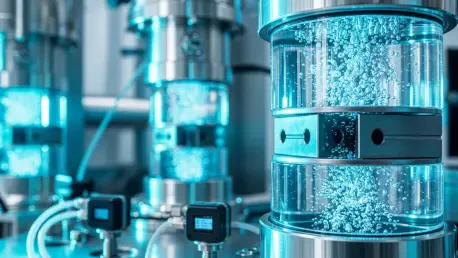

The rapid maturation of electrolysis-based fuel systems has shifted from experimental laboratory setups to massive industrial operations that redefine how nations approach carbon neutrality. Electrolysis relies on passing renewable electricity through water to isolate hydrogen molecules without generating carbon byproducts. Unlike previous fossil-based methods, this approach facilitates a direct link between clean energy grids and industrial fuel supplies. The transition from small-scale pilots to major merchant plants, such as those operated by Zero Footprint Industries, signifies a pivot toward commercializing hydrogen as a standardized commodity for heavy industry.
Core Pillars of Scalable Hydrogen Infrastructure
Integrated Renewable Power Synergies
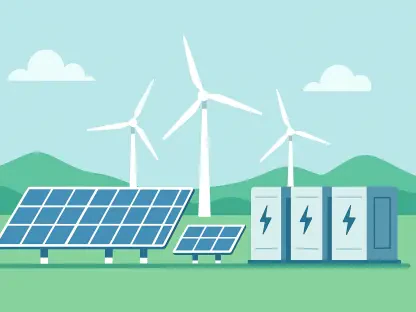
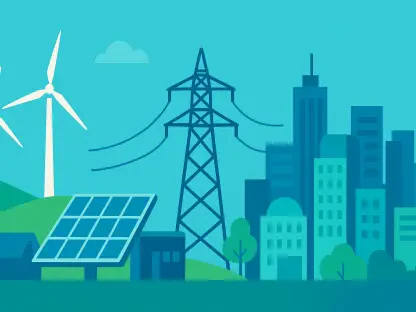
Successful production depends on the deep integration of solar and wind assets to minimize the levelized cost of energy. By synchronizing electrolyzer cycles with renewable peaks, producers manage to stabilize the intermittent nature of green power, ensuring a consistent industrial-grade output. This synergy allows for a more predictable pricing model, which is essential for attracting long-term off-take agreements from high-volume consumers.
Modular Merchant Production Facilities
Decentralized infrastructure enables hydrogen to be generated on-site, effectively bypassing the logistical nightmare of transporting pressurized gas. Modular designs allow facilities to scale in phases, expanding from initial outputs to annual capacities exceeding 100 million cubic meters. This flexibility ensures that the capital expenditure remains manageable while the facility grows alongside local market demand.
Strategic Innovations and Market Trends
The shift toward a merchant-based model marks the maturity of the sector, where hydrogen is sold openly to a variety of buyers rather than being restricted to captive use. Significant capital injections, including roadmaps totaling over Rs 1,100 crore by 2030, underscore the financial confidence in this technology. Support from government energy ministries further accelerates adoption through standardized policy frameworks and public-private collaboration.
Real-World Applications and Sector Integration
Deployment has moved beyond power plants into heavy-duty logistics, powering fleets of trucks and buses that previously relied on diesel. Furthermore, innovation in hydrogen-based cooking systems demonstrates the versatility of the gas for both residential and commercial kitchens. These varied use cases prove that hydrogen can substitute fossil fuels in high-temperature processes where electrification remains inefficient.
Operational Hurdles and Adoption Barriers
Despite the progress, the technology faces significant friction regarding storage density and the high initial cost of infrastructure. Safety protocols for distribution remain under development, requiring sophisticated mechatronic solutions to ensure secure handling in industrial environments. Addressing these technical gaps through strategic engineering alliances is vital for maintaining the momentum of global adoption.
Future Trajectory and Environmental Impact
By 2030, the scaling of electrolysis capacity is expected to yield environmental benefits comparable to planting hundreds of thousands of trees annually. Future breakthroughs in membrane efficiency will likely drive down costs further, making green hydrogen a cornerstone of national energy independence. This trajectory suggests a fundamental restructuring of the industrial energy landscape toward carbon-negative operations.
Final Assessment: The Path Forward
The evaluation demonstrated that green hydrogen transitioned from a niche alternative to a primary industrial contender within a short span. This progression highlighted the importance of decentralized production and strategic renewable partnerships in overcoming economic barriers. Future efforts focused on refining distribution mechatronics and stabilizing global supply chains to ensure that zero-footprint frameworks remained a permanent fixture of the industrial world.