
The massive expansion of carbon-free power generation across the American South has reached a significant milestone with the formalization of Google’s latest clean energy commitment in Arkansas. This strategic investment targets the Monticello Solar facility, a sprawling infrastructure project designed to deliver hundreds of megawatts of renewable electricity directly to the regional grid. As data processing requirements for machine learning and cloud services continue to escalate, the necessity for reliable and sustainable power sources becomes a matter of operational survival for global technology firms. The initiative is not simply about offsetting emissions; it is about building a modern energy ecosystem that can support the high-intensity needs of the digital age while revitalizing local economies. By leveraging the vast solar potential of the Natural State, this project sets a high benchmark for corporate responsibility and utility-scale innovation. The integration of cutting-edge technology ensures that this facility will serve as a blueprint for similar developments across the country during this decade.
Engineering for a Stable Grid Architecture
Optimizing Performance With Battery Storage Technology
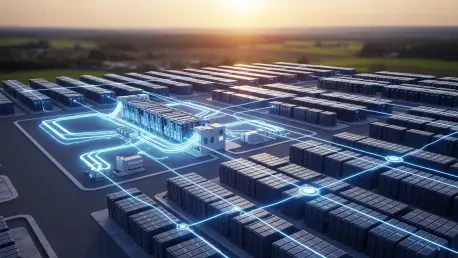
Implementing high-capacity lithium-ion battery storage systems alongside the photovoltaic array represents a fundamental evolution in renewable energy design for the region. These systems are engineered to capture surplus electricity generated during the peak sunlight hours of the afternoon and store it for strategic discharge when the sun sets or during periods of high grid stress. This capability effectively mitigates the intermittency issues that previously made solar power a secondary choice for heavy industrial applications. By providing a steady and predictable flow of electricity, the Monticello project ensures that the local utility network maintains frequency stability and voltage regulation. Furthermore, the use of advanced inverters and monitoring software allows for real-time adjustments to power output based on fluctuating demand signals. This sophisticated approach transforms the solar farm from a passive energy producer into a dynamic grid asset capable of competing with traditional gas-fired plants in terms of reliability.
Scaling Production to Meet Data Center Requirements
The sheer scale of the Arkansas solar initiative directly correlates with the increasing power density found in modern hyperscale data centers. To achieve the goal of operating on 24/7 carbon-free energy by 2030, technology leaders are forced to secure massive blocks of renewable capacity years in advance. This forward-thinking procurement strategy involves long-term power purchase agreements that provide the financial certainty needed for developers to break ground on such capital-intensive projects. By anchoring these developments, major corporate off-takers drive down the overall cost of renewable technology for all consumers through economies of scale. The Monticello facility specifically targets the unique load profiles of modern computing clusters, which require a constant and uninterrupted power supply to function efficiently. As the partnership between utilities and private enterprise matures, the ability to deploy these large-scale arrays becomes faster and more cost-effective. This trend suggests that the future of the power grid will be defined by decentralized, hybrid systems that prioritize both sustainability and peak performance.
Societal Impacts and Long-Term Sustainability
Economic Revitalization in Rural Arkansas
Beyond the technical specifications of the solar modules and battery packs, the investment serves as a major catalyst for economic development in rural areas like Drew County. During the construction phase, the project creates hundreds of high-skilled jobs in engineering, electrical work, and logistics, providing a significant boost to the local labor market. Once operational, the facility generates consistent tax revenue that supports public services, including local schools and infrastructure maintenance, without placing an additional burden on residential taxpayers. This influx of capital is particularly vital for communities that have traditionally relied on agricultural or manufacturing sectors that may be experiencing stagnation. Landowners also benefit from stable, long-term lease payments, allowing them to diversify their income while keeping the land in productive use for the next several decades. By aligning global environmental goals with local economic needs, the project fosters a sense of shared purpose between the technology industry and the communities that host its essential infrastructure.
Strategic Pathways for Future Energy Independence
The successful launch of the Monticello project demonstrated that large-scale solar and battery storage were viable solutions for the complex energy demands of the mid-2020s. Stakeholders recognized that the transition to a carbon-free grid required more than just the installation of panels; it demanded a holistic reimagining of how energy was bought, sold, and distributed across state lines. Decision-makers learned that early collaboration between private entities and public utilities facilitated smoother regulatory approvals and more efficient grid interconnection processes. Moving forward, the industry prioritized the development of standardized battery modules and modular solar arrays to further reduce deployment timelines. Investing in local workforce training programs proved essential for maintaining the sophisticated equipment and ensuring the long-term operational health of the site. The insights gained from this Arkansas initiative encouraged other regions to adopt similar frameworks for integrating high-tech investments with renewable energy expansion. This approach solidified a path toward a resilient and independent energy future for the entire nation.