
The relentless expansion of artificial intelligence infrastructure is pushing global electrical grids to their breaking points, forcing technology giants to look beyond traditional solar and wind farms toward unconventional sources of renewable energy. As generative AI models require exponentially more compute power, the search for stable, baseload energy has led innovators to an unlikely source: the humble dairy farm. While lithium batteries and nuclear small modular reactors often dominate the conversation regarding future power, the potential of bovine waste to provide continuous methane-derived electricity is becoming a central theme in industrial sustainability. By harnessing the natural biological breakdown of manure, large-scale agricultural operations are positioned to become the silent backbone of the silicon revolution. This transition represents more than just a clever reuse of waste; it is a fundamental shift in how decentralized energy systems are integrated.
The Intersection of Agriculture and Computation
Anaerobic Digestion: Powering the Digital Frontier
Anaerobic digestion stands as the primary technological bridge between the agricultural sector and the massive energy requirements of modern high-performance computing centers. This biological process occurs within sealed reactors where specialized bacteria break down organic matter—specifically cow manure—in the absence of oxygen to produce biogas, a mixture primarily composed of methane and carbon dioxide. Unlike solar or wind energy, which fluctuate based on weather patterns, a biogas digester provides a constant and predictable flow of fuel that can be burned in specialized engines or turbines to generate electricity. This reliability is vital for data centers that cannot afford even a millisecond of downtime without risking data corruption. By converting what was once considered an environmental liability into a high-value energy asset, the livestock industry has effectively unlocked a mechanism to supply carbon-neutral power directly to the modern grid.
Localized Infrastructure: Bringing the Cloud to the Farm
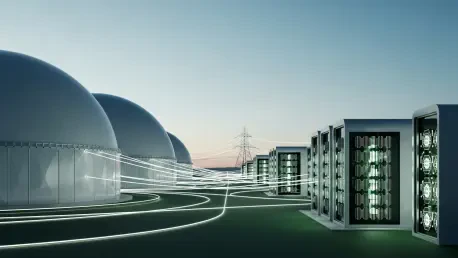
Beyond the immediate generation of electricity, the implementation of localized biogas systems addresses the significant energy losses that typically occur during long-distance transmission over national power lines. When energy is produced on-site at a farm and utilized by nearby edge computing facilities, the efficiency of the entire system increases because it eliminates the need for extensive high-voltage infrastructure. This proximity allows for a symbiotic relationship where the massive amounts of waste heat generated by server racks can potentially be redirected back into the anaerobic digesters to maintain the optimal temperature for bacterial activity. Such a closed-loop system maximizes the thermal efficiency of the facility while reducing operational costs for both the farmer and the data center operator. As the demand for localized AI processing grows, this model provides a blueprint for a distributed network of microgrids that operate independently.
Strategic Sustainability and Financial Integration
Carbon Mitigation: The Role of Methane Capture
From an environmental perspective, the adoption of manure-to-energy systems provides a dual benefit by preventing methane from escaping into the atmosphere while simultaneously displacing the need for fossil fuel generation. Methane is a potent greenhouse gas with a global warming potential significantly higher than carbon dioxide, and traditional manure management practices often lead to substantial atmospheric emissions. By capturing these gases within a controlled environment, technology companies can claim substantial carbon credits, helping them reach the ambitious net-zero targets they have set for the coming years. This regulatory advantage is particularly important as governments around the world introduce stricter penalties for carbon output and incentivize the transition to verified green energy sources. The ability to quantify the specific volume of methane captured allows for a transparent and auditable sustainability report that appeals to both modern investors and consumers.
Economic Resilience: Diversifying Agricultural Revenue
The economic viability of these projects is bolstered by the creation of new revenue streams for dairy producers, who often face thin profit margins due to fluctuating milk prices and rising operational costs. By entering into long-term power purchase agreements with technology firms, farmers gain a stable financial foundation that allows them to invest in more advanced agricultural technologies and sustainable practices. These partnerships transform the farm from a purely food-producing entity into a multifaceted energy hub, diversifying the rural economy and creating high-tech jobs in areas that have historically seen stagnant growth. Furthermore, the byproduct of the anaerobic digestion process—a nutrient-rich digestate—can be used as a fertilizer, reducing the farm’s dependence on synthetic chemicals. This financial synergy ensures that the transition to green energy is not just a corporate mandate but represents a strategic and mutually beneficial financial arrangement.
Strategic Alignment: The Path Forward for Distributed Power
The integration of agricultural waste into the energy portfolio of the global technology sector proved to be a critical milestone in balancing high-performance computing with environmental stewardship. Organizations that successfully piloted these programs moved away from centralized energy dependency and adopted a more resilient, distributed model of operation. To build upon this success, industry leaders focused on standardizing the modular design of anaerobic digesters to make them more accessible to mid-sized dairy operations. These steps ensured that the benefits of the circular energy economy were not confined to the largest industrial players but were distributed throughout the agricultural landscape. Future considerations included the development of more efficient scrubbing technologies to refine biogas into high-purity hydrogen, further diversifying the clean fuel options. This shift solidified the role of unconventional renewables as the primary driver for a sustainable digital future.