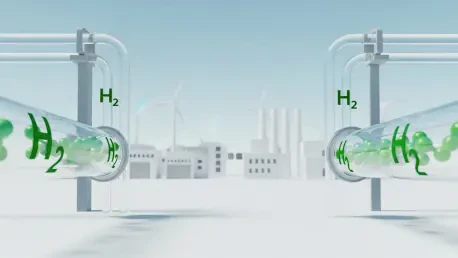

The sprawling landscapes of Bihar, traditionally celebrated for their agricultural prowess, are currently undergoing a sophisticated technological metamorphosis that promises to redefine the industrial identity of Eastern India. With the implementation of the Green Hydrogen Policy, the state has set a definitive target to produce 100,000 metric tonnes of green hydrogen and ammonia by 2031. This ambitious pivot involves installing 1 GW of electrolyser capacity and 2.5 GW of renewable energy infrastructure. Such a move signals a transition from conventional economic frameworks to a futuristic model centered on clean molecules and industrial decarbonization.
Beyond the Fertile Plains: Bihar’s Surprising Pivot to High-Tech Energy
This evolution reflects a departure from the image of Bihar as a purely agrarian heartland. By prioritizing high-tech energy production, the state is positioning itself as a vital participant in the global energy transition. The focus is not merely on meeting national targets but on pioneering a local ecosystem that supports advanced manufacturing. This shift is designed to attract diverse industrial players who are looking for sustainable and reliable alternatives to fossil fuels.
Furthermore, the integration of green hydrogen production with existing economic activities creates a multidimensional growth model. As the state moves toward a future defined by clean energy, it effectively bridges the gap between traditional labor and modern technology. This synergy is expected to revitalize the regional economy, transforming Bihar into a critical node for zero-emission industrial operations within the subcontinent.
The Decarbonization Mandate: Why Eastern India Is Primed for Change
The regional demand for decarbonization is largely driven by the heavy presence of high-emission sectors like fertilizer production, oil refining, and heavy transport. As India accelerates its journey toward a low-carbon economy, Bihar’s commitment to sourcing over 43% of its power from renewable sources by 2030 provides a logical foundation for hydrogen production. Moving away from traditional fuels is a strategic necessity to shield local industries from the erratic nature of global fossil fuel markets.
Moreover, the transition offers a pathway to regional energy security that was previously unattainable. By localizing the production of green hydrogen, the state reduces its dependence on external energy imports and strengthens the resilience of its supply chains. This shift toward clean molecules ensures that the industrial backbone of the region remains competitive in an increasingly carbon-conscious global trade environment.
A $1.9 Billion Blueprint for Industrial Metamorphosis
The strategic roadmap devised by the state aims to secure approximately ₹16,000 crore in private investment over the next five years. This comprehensive framework addresses the entire value chain, including manufacturing, storage, distribution, and export capabilities. By establishing dedicated green hydrogen hubs and specialized clusters, the government is creating a centralized environment where developers can achieve economies of scale.
To manage this complex transition, the Bihar Renewable Energy Development Agency serves as the primary authority to streamline operations and eliminate bureaucratic delays. This structured approach ensures that the benefits of the investment are distributed across various sectors of the economy. The goal is to build an industrial landscape where infrastructure development and capital inflow work in tandem to support long-term ecological and economic health.
Regulatory Reimagining: Lowering Barriers for Green Tech Pioneers
Bihar has introduced a competitive package of financial incentives designed to lower the entry barriers for energy developers. Significant benefits include a 10% capital subsidy for electrolysers and a full waiver of transmission charges for renewable energy used in production. These measures are complemented by the classification of such projects under the “White Category,” which acknowledges their low environmental footprint and significantly speeds up the permitting process.
In addition to financial aid, the state has simplified administrative procedures to encourage rapid deployment. To stimulate local demand, the policy provides a 5% price reimbursement for industries that choose to procure hydrogen generated within the state. These regulatory adjustments create a favorable climate for innovation, allowing pioneers to focus on scaling technology rather than navigating complex legal hurdles.
Scaling the Ecosystem: Practical Strategies for Growth and Self-Reliance
Sustaining a green hydrogen hub requires a skilled workforce and a robust domestic supply chain. The current policy emphasizes research, development, and the local manufacturing of components to prevent an over-reliance on international imports. A streamlined single-window clearance system has been established to provide developers with a clear path for grid connectivity and environmental approvals, ensuring that projects move from planning to execution without unnecessary friction.
Looking ahead, the focus shifted toward integrating these advancements into the broader national grid and international markets. Stakeholders began prioritizing specialized vocational training to prepare the local labor force for high-tech roles in electrolyser maintenance and hydrogen logistics. These proactive steps ensured that the infrastructure did not just exist in isolation but functioned as a self-sustaining engine of growth. Future initiatives were expected to explore the potential for liquid hydrogen exports, further cementing the region’s role as a cornerstone of the global clean energy network.