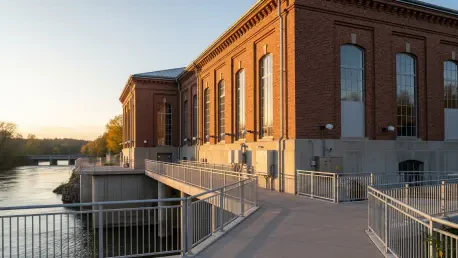

The proposed transfer of thirteen historic hydroelectric facilities along the Au Sable, Manistee, Muskegon, Grand, and Kalamazoo rivers marks one of the most significant shifts in Michigan’s energy infrastructure in several decades. This transition involves Consumers Energy offloading its aging fleet to Confluence Hydro, a move that could redefine how small-scale renewable energy assets are managed in the Great Lakes region. As the state moves toward a greener grid, the question of what to do with century-old dams has become a flashpoint for environmentalists, local residents, and utility regulators alike. At the center of this complex negotiation is a massive $270 million Hydro Safety Fund, a financial mechanism designed to ensure that these concrete structures do not become a liability for the public. This fund represents a shift away from traditional utility models where ratepayers bear the risk, placing the responsibility on corporate shareholders and specialized operators instead.
Financial Accountability and Operational Resilience
Protecting Taxpayers: The $270 Million Safety Shield
The structural integrity of these dams is no longer just a technical concern but a major financial hurdle that requires a specialized approach beyond the capabilities of a general utility. By establishing the $270 million Hydro Safety Fund, Consumers Energy is utilizing shareholder profits rather than increasing the monthly bills of its millions of customers across Michigan. This distinction is vital for gaining regulatory approval, as it demonstrates a commitment to public safety that does not penalize the current energy consumer for the upkeep of century-old technology. This capital is intended to stay under state administration, creating a permanent buffer that can be accessed should any of the thirteen sites require emergency repairs or long-term structural reinforcements. For the local communities downstream, this provides a level of security that was previously absent, ensuring that the burden of a potential failure does not fall on the shoulders of local municipal budgets or state taxpayers.
Maintaining Expertise: Workforce Retention and Revenue Stability
Continuity in operational expertise is equally essential for the successful transition of these facilities, as the knowledge required to operate these unique systems is often passed down through generations of specialized workers. Under the terms of the agreement, Confluence Hydro has committed to retaining all existing employees, which preserves decades of localized mechanical and hydrological insights that are specific to each river system. Furthermore, a long-term Power Purchase Agreement ensures that Consumers Energy will continue to buy the electricity generated by these dams for the foreseeable future. This arrangement provides Confluence Hydro with a predictable and steady revenue stream, which is necessary to fund the rigorous maintenance schedules required by federal regulators. By decoupling the ownership from the primary utility while keeping the workforce and energy offtake intact, the deal minimizes the disruptions typically associated with corporate divestitures.
Environmental Protection and Community Stakes
Preserving Landscapes: Recreational Access and Property Values
Beyond the mechanical function of generating electricity, these hydroelectric dams have created expansive reservoirs that serve as the backbone for local tourism and recreational economies. Confluence Hydro has proactively addressed community concerns by pledging to maintain existing public access points for fishing, boating, and hiking, which are critical for the vitality of rural Michigan counties. The company has also made legal commitments to keep the surrounding lands intact throughout the federal relicensing process, preventing the fragmented sale of shoreline properties for private residential development. This preservation of the status quo in terms of land use is a major victory for local conservation groups who feared that a change in ownership would lead to the commercialization of pristine riverfront areas. Ensuring that the public can continue to utilize these waters for recreation helps to maintain the social contract between the energy provider and the residents.
Ecological Realities: The Consequences of Dam Removal
If the state regulators choose to reject this proposal, the most likely alternative is the comprehensive decommissioning and physical removal of all thirteen structures across the river systems. Decommissioning is an expensive and destructive process that involves draining the reservoirs and returning the rivers to their original, pre-dam states, which sounds ecologically beneficial but often proves disastrous in practice. For homeowners whose property values are tied to lakefront access, the disappearance of these reservoirs would lead to a catastrophic loss of equity and a significant reduction in the local tax base. Moreover, the aquatic ecosystems that have developed within these man-made lakes over the past century would be entirely wiped out, leading to massive fish kills and the loss of critical wetlands. The prospect of such a radical environmental and economic shift has turned many former skeptics into vocal supporters of the sale, as the preservation of the dams appears to be the most stable path forward.
Strategic Integration: Support and Modernization Efforts
The overwhelming public support for this deal, which sits at nearly seventy percent among residents in the affected river basins, reflects a shared desire for regional stability over radical change. This alignment of interests suggests that the partnership between a major utility and a niche infrastructure firm like Confluence Hydro can bridge the gap between corporate efficiency and community needs. By focusing on the modernization of these assets, the new owners intend to implement advanced monitoring technologies and automated safety systems that were not previously cost-effective for a large-scale utility to install. This technological infusion will likely extend the operational life of the dams by several decades, keeping them as a viable source of carbon-free baseload power. As Michigan strives to meet its aggressive renewable energy targets by 2030, keeping existing hydro assets online provides a reliable foundation that complements the more intermittent nature of new wind and solar installations.
Forward-Looking Solutions: Establishing a Sustainable Management Model
Stakeholders in the Michigan energy sector moved forward with a vision that prioritized long-term infrastructure health over short-term financial gains through the implementation of this safety fund. The transition established a precedent for how private equity and public utilities could collaborate to solve the riddle of aging industrial heritage without abandoning the communities that grew up around them. Future considerations for these sites included the potential for integrating battery storage systems to capture excess hydro power during low-demand periods, further enhancing the grid’s resilience. Regulators and local leaders recognized that the preservation of these historic sites required a departure from the traditional management styles of the twentieth century. By securing the necessary capital and human resources, the state avoided the pitfalls of sudden decommissioning while fostering a more diverse and specialized energy landscape. The success of this model provided a roadmap for other regions to revitalize assets.