


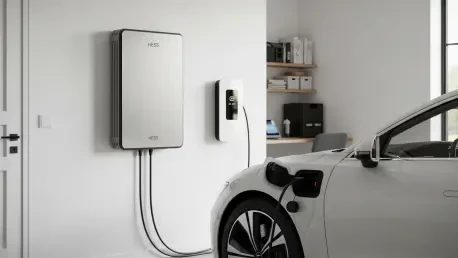

The fragility of the aging American electrical grid has reached a critical tipping point where localized outages are no longer occasional inconveniences but frequent disruptions for millions of households. Throughout 2026, the shift from basic solar supplementation to complete residential energy autonomy has accelerated as homeowners realize that relying on centralized utilities is becoming a liability during periods of extreme weather and peak demand. This transition is not merely about environmental stewardship or lowering monthly bills; it represents a fundamental redefinition of the American home as a self-contained power plant capable of operating entirely off-grid for extended durations. High-capacity battery storage systems have replaced the noisy, gas-powered generators of the past, offering a silent and seamless transition when the external grid fails. Modern homeowners are now viewing energy independence as a foundational component of property value and personal security, ensuring that life remains steady.
Residential Power: Transforming Systems for Whole-Home Autonomy
The standard for home backup systems has evolved dramatically from “partial” solutions to true “whole-home” autonomy where every circuit remains active during a blackout. In previous years, battery systems were often limited to “critical loads,” meaning families had to choose which lights to keep on or which refrigerator to power while the rest of the house went dark. Today, the expectation is that a modern residence should function normally regardless of grid conditions, allowing for the use of heavy-duty appliances like electric ranges, laundry machines, and multi-zone entertainment systems. This shift is driven by advancements in lithium iron phosphate chemistry and high-output inverters that can manage the complex electrical demands of a modern lifestyle. As a result, the psychological burden of monitoring energy consumption during an outage has been replaced by reliable automation that preserves the standard of living without any manual intervention at all.
Achieving this level of independence requires significant surge capacity to handle the high power demands of motor-driven equipment like central HVAC units or deep-well pumps. Homeowners are increasingly prioritizing high-performance systems that can handle the massive inrush of current required to kick-start a five-ton air conditioner in the middle of a summer heatwave. Without this capability, a storage system is merely a temporary bridge for small electronics rather than a robust survival tool for the household. By ensuring that a system can manage these heavy peak loads, residents are effectively creating an invisible shield that maintains indoor climate control and water access during localized or regional power failures. This technical resilience is vital in regions where storm-induced outages can last for several days, turning a home into a sanctuary of stability. The focus has moved from simple capacity to the actual power delivery speed needed for real-world comfort.
Economic Intelligence: Navigating the Modern Energy Market
The economic logic of residential solar has undergone a massive transformation as traditional net metering programs are phased out in many states. In this current landscape, the financial incentive to sell excess energy back to the utility has diminished because the rates offered for exported power have dropped significantly. Consequently, the most effective financial strategy is now focused on maximum self-consumption, which involves storing every bit of solar energy generated during the day to use specifically when the sun goes down. This “behind-the-meter” approach ensures that the homeowner gets the full retail value of every kilowatt-hour produced by their panels rather than a fractional credit from the utility provider. By decoupling the home’s energy economy from the fluctuating policies of power companies, residents are able to lock in their energy costs for the next decade. This move toward self-reliance turns the home into a microgrid that is immune to policy shifts.
Modern energy ecosystems are further enhanced by intelligent software that manages power distribution with far more precision than a human operator could. These systems use localized weather data to prioritize energy reserves before a major storm hits, while also allowing homeowners to participate in Virtual Power Plants to support the grid for financial credits. Beyond software, the architecture of these systems is modular, allowing for easy expansion as the specific needs of a family change over time. This scalability is particularly important for the integration of electric vehicles, which represent a massive increase in a home’s daily power load. As EV adoption climbs from 2026 to 2028, homeowners can simply add battery stacks to keep pace with their growing consumption, utilizing stored sunlight to charge vehicles overnight rather than relying on expensive and carbon-heavy grid power during peak demand periods.
Professional Oversight: Implementing Strategies for Long-Term Resilience
While the hardware has become more user-friendly and aesthetically pleasing, professional assessment remains a critical step in achieving true energy independence for a modern residence. Every home has a unique electrical profile influenced by its size, insulation quality, and the specific appliances used by the occupants. Certified installers are necessary to perform the detailed load calculations required to size a system correctly so that it meets the specific energy goals of the household. Whether the objective is simply to lower daily utility bills or to provide the capacity to survive a multi-day grid failure, a precise audit of the home’s energy consumption is the only way to avoid under-sizing or over-spending. These professionals use advanced modeling software to predict how a system will perform across different seasons, ensuring that the homeowner has a clear understanding of their energy outlook long before any components are installed.
Professional installation also guarantees that new storage technology integrates seamlessly with existing solar arrays or older electrical panels that may not have been designed for bi-directional power flow. Expert technicians can identify potential bottlenecks in the home’s wiring and upgrade critical components like the main breaker or the grounding system to meet modern safety standards. By securing this expert guidance, homeowners can ensure their investment is fully compliant with local building codes and insurance requirements, providing peace of mind alongside physical resilience. Furthermore, professional oversight includes the setup of the monitoring platform, ensuring that the homeowner has real-time visibility into their production and consumption metrics. This high level of technical precision ensures that the transition to energy independence is not just a hardware upgrade but a comprehensive improvement to the long-term infrastructure.
Sustainable Resilience: Transitioning Toward Permanent Energy Autonomy
To achieve total energy independence, homeowners prioritized a comprehensive audit of their current electrical consumption to identify the most significant power drains within their properties. They then consulted with certified energy consultants to develop a roadmap for phased upgrades, starting with high-capacity storage that supported whole-home loads. The most successful implementations involved selecting modular systems that allowed for the addition of extra battery capacity as electric vehicle usage increased. These residents also investigated local Virtual Power Plant programs to turn their backup systems into active revenue generators during periods of grid stress. By investing in high-surge inverters and lithium iron phosphate batteries, households secured their comfort against an increasingly volatile utility landscape. Ultimately, the transition focused on creating a self-sustaining ecosystem that balanced immediate financial savings with long-term operational resilience.







