
The explosive escalation of hostilities in the Persian Gulf has shattered the long-standing illusion that global markets can indefinitely tolerate the inherent volatility of fossil fuel dependence. While the outbreak of conflict involving Iran earlier this year disrupted traditional trade routes, it simultaneously functioned as a definitive catalyst for a structural overhaul of the world’s energy systems. Historically, the move toward green power was primarily driven by long-term climate commitments and international agreements. However, the current instability in the Middle East has reframed the entire conversation around the concepts of national survival and economic autonomy. This shift demonstrates that the transition to renewables is no longer merely an environmental elective but a strategic necessity for nations seeking to insulate themselves from the shocks of a fractured global oil market.
Geopolitical Instability as a Turning Point for the Global Power Grid
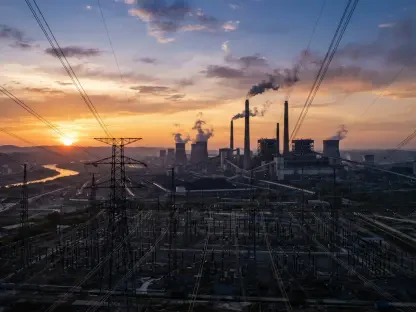
The current crisis has forced a rapid reassessment of how modern civilizations power their infrastructure. As maritime corridors face threats and supply chains buckle under the weight of regional warfare, the vulnerability of centralized, fuel-dependent grids has become painfully apparent. Industry observers note that the traditional energy model, which relies on the steady flow of commodities from politically sensitive regions, is increasingly viewed as an unacceptable liability. Consequently, the push for decentralized, renewable sources has accelerated at a pace that few analysts predicted just a year ago.
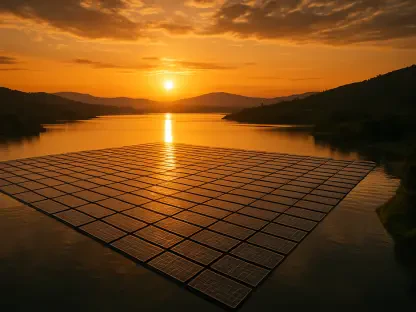
This period of instability has also highlighted a shift in how global leaders prioritize infrastructure projects. Instead of viewing wind and solar farms as secondary supplements to a fossil fuel core, policymakers are now treating them as the primary shield against external economic coercion. The ability to generate electricity from domestic natural resources—whether wind, sun, or water—provides a level of insulation that no amount of strategic petroleum reserves can match. This fundamental change in perception is driving a massive reallocation of state resources toward the rapid deployment of clean energy technologies.
The Transformation of Energy Security and Market Resilience
From Carbon Reduction to Strategic Sovereignty
The central narrative of the energy transition has evolved significantly from a “decarbonization-first” mindset to a focus on energy independence and self-sufficiency. European nations, currently burdened by the immense weekly costs of fossil fuel imports, are viewing offshore wind and solar installations as essential tools for economic defense. Industry leaders have observed that domestic energy production is the only viable shield against the financial hemorrhaging caused by reliance on unstable regions. By localizing power generation, countries are effectively decoupling their economies from the geopolitical tremors of the Persian Gulf and other volatile zones.
This transition is being spearheaded by major industrial players who have pivoted their business models to meet this new reality. For instance, the Danish wind giant Vestas recently reported its strongest quarterly earnings in years, signaling a robust recovery as demand for equipment surges. Similarly, Orsted has managed to outperform market expectations, demonstrating that the appetite for large-scale renewable infrastructure remains high despite broader economic uncertainty. These companies are now at the forefront of a movement that treats energy generation as a cornerstone of national security rather than just a utility.
Reinvesting Fossil Fuel Windfalls into Clean-Tech Infrastructure
A fascinating irony of the current crisis is the role of traditional energy giants in financing the green shift. Companies like Equinor have reported record profits driven by the spike in oil and gas prices following the commencement of military action in the Middle East. However, rather than doubling down on extraction or traditional refinement, these “Big Oil” players are channeling significant portions of their excess capital into massive renewable projects. This includes the development of some of the world’s largest offshore wind farms in locations like the United Kingdom and Poland, illustrating a strategic pivot where the volatility of the old energy regime actively funds the stability of the new one.
This trend reflects a broader recognition that the era of fossil fuel dominance is entering a period of terminal decline. By reinvesting windfalls into clean-tech, traditional energy providers are securing their future relevance in a market that increasingly favors price stability and domestic control. Analysts suggest that this internal recycling of capital is one of the most significant drivers of the current energy buildout. The high price of oil today is, paradoxically, making the renewable grid of tomorrow more affordable by providing the necessary liquid capital to fund high-cost, high-reward infrastructure projects.
The Intersection of Renewable Power and the AI Revolution
The energy transition is receiving an unexpected boost from the private sector’s technological ambitions, specifically in the realm of Artificial Intelligence. As AI infrastructure expands globally, the demand for electricity from data centers has reached unprecedented levels. Renewable energy providers are now partnering directly with tech developers who require stable, carbon-neutral power to fuel their massive operations. This synergy suggests that the next phase of the energy buildout will be propelled as much by the digital economy’s hunger for power as by government mandates or environmental regulations.
This partnership is particularly evident in the way data centers are being co-located with renewable energy sources. Companies are no longer satisfied with buying energy credits; they want direct access to stable, locally produced electricity that is immune to global fuel price spikes. Vestas and other wind energy leaders have indicated that they are actively engaging with tech firms to design custom power solutions for the next generation of computing hubs. This alignment of interests ensures a steady stream of private investment into the renewable sector, further insulating it from the whims of political cycles.
Navigating Political Friction and Ideological Divergence
Despite the clear economic and security advantages, the shift toward renewables faces significant political headwinds in certain regions. While European officials remain steadfast in their commitment to wind and solar, skepticism from some political figures in the United States creates a landscape of uncertainty. This ideological divide has forced major renewable firms to prioritize markets where policy alignment is more predictable and supportive. The tension between the undeniable geopolitical necessity of renewables and the domestic political rhetoric of fossil fuel preservation remains a significant variable influencing the speed of the global energy pivot.
Industry stakeholders are closely watching how these political dynamics play out, as they directly impact the long-term bankability of large-scale projects. In contrast to the skepticism seen in some quarters, European leaders have doubled down on their green targets, dismissing claims that renewables are an unreliable or excessive expense. They argue that the current cost of energy imports far outweighs the investment required to build a sovereign, renewable-based system. This divergence in strategy is creating a two-tier global energy landscape where some regions are accelerating toward independence while others remain tethered to the risks of the old world.
Strategic Frameworks for a Decoupled Energy Future
The primary takeaway from the current crisis is that the era of viewing renewable energy as an optional environmental goal has ended; it is now a pillar of strategic defense. Organizations and nations are prioritizing the acceleration of project pipelines to mitigate the impact of supply chain disruptions that often accompany regional conflicts. Furthermore, diversifying energy portfolios to include high-capacity storage and grid modernization has become essential for maintaining stability as fossil fuel reliance diminishes. Industry stakeholders have moved beyond sentiment-driven investments to focus on the fundamental execution of large-scale infrastructure to ensure long-term resilience.
This new framework emphasizes the importance of a holistic approach to energy security. It is no longer enough to simply build wind turbines or install solar panels; the entire grid must be modernized to handle the intermittent nature of these sources. This requires massive investment in battery storage technology and smart grid management systems that can balance supply and demand in real time. Leaders in the sector are focusing on these integrated solutions as the only way to achieve true energy sovereignty and economic stability in an increasingly unpredictable world.
The Dawn of a Resilient Global Energy Paradigm
The conflict in the Persian Gulf provided a grim reminder of the fragility inherent in a fossil-fuel-dependent world, yet it also established the ultimate justification for a rapid energy transformation. The shift toward renewables became characterized by record-breaking profitability for wind energy leaders and a fundamental rebranding of green power as “freedom energy.” While political skepticism and market caution provided a necessary counterweight, the momentum toward energy sovereignty appeared irreversible during this period. Strategic planners focused on the implementation of high-capacity storage and the expansion of domestic manufacturing to bypass the vulnerabilities of global trade routes.
The transition moved from a theoretical debate to a practical necessity as nations realized that economic stability was inextricably linked to energy independence. Renewable energy firms successfully pivoted their marketing and operational strategies to align with these national security interests. As a result, the global community began to construct a more resilient energy paradigm that favored long-term stability over short-term commodity speculation. Ultimately, the global energy pivot was no longer a distant prospect but a present reality forged in the crucible of necessity, ensuring that the quest for security led directly to a sustainable and sovereign future.