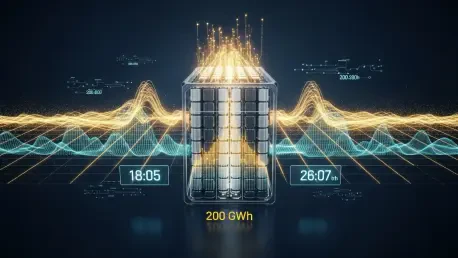

A quiet but powerful transformation is currently sweeping across the Indian landscape as the nation moves toward a self-sustaining industrial market. This shift signifies more than just a change in propulsion; it represents a strategic pivot from policy-dependent growth to a robust, market-driven ecosystem. Experts project that demand will skyrocket from 20 GWh in 2025 to a staggering 200 GWh by 2032. This trajectory highlights the strategic importance of battery storage in achieving clean energy sovereignty and manufacturing excellence.
The Rapid Evolution of India’s Electric Vehicle Ecosystem
The current climate reflects a transition where two-wheelers no longer stand alone as the primary drivers of electrification. Instead, a diversified fleet of passenger and commercial vehicles is beginning to take center stage. This maturation of the ecosystem is vital for meeting long-term clean energy goals while reducing reliance on fossil fuels.
Moreover, the shift indicates a deeper integration of domestic industry interests. As battery storage becomes the cornerstone of the automotive sector, the focus is narrowing on creating a resilient framework capable of supporting a massive surge in capacity. This evolution ensures that the transition remains sustainable for years to come.
Catalysts for Exponential Growth and Market Projections
Shifting Paradigms in Battery Chemistry and Motor Technology
The market is witnessing a notable transition from Nickel Manganese Cobalt dominance to Lithium Iron Phosphate. This change is driven by the need for cost-effective and thermally stable solutions that are better suited for the local climate. Additionally, interest is peaking in next-generation sodium-ion and solid-state batteries as viable future power sources.
Propulsion systems are also evolving from traditional brushless direct current motors to permanent magnet synchronous motors. This technical shift caters to consumer behavior favoring higher-performance passenger cars and light commercial vehicles. Such advancements are essential for maintaining a competitive edge in the global market.
Quantifying the Tenfold Expansion by 2032
Following the sale of 2.5 million units in 2025, the roadmap toward 2032 reveals a significant acceleration in annual energy requirements. Every vehicle segment is contributing to this expansion as domestic component manufacturing scales up. This statistical growth points toward a mature industry capable of meeting domestic needs.
Expansion is not limited to vehicles alone; performance metrics for charging and battery-swapping infrastructure are also hitting new highs. These indicators suggest a synchronized growth pattern across the entire supply chain. The resulting network provides the necessary support for the increasing number of electric vehicles on the road.
Navigating Supply Chain Vulnerabilities and Technical Hurdles
Dependency on imported raw materials like lithium and cobalt remains a significant challenge for the local industry. To mitigate this risk, stakeholders are exploring innovative ways to secure these resources while scaling domestic gigafactories. The goal is to reach the targeted 200 GWh output without being hindered by external supply shocks.
Furthermore, the high initial cost of advanced technology still acts as a barrier for the mass market. Bridging the skill gap in specialized engineering and power electronics is essential to ensure that technical hurdles do not stall momentum. Addressing these vulnerabilities is a priority for maintaining the current growth trajectory.
Strengthening the Industry Through Policy and Standardization
Production Linked Incentive schemes are proving instrumental in fostering advanced chemistry cell manufacturing. These government mandates enforce strict safety and performance standards, ensuring that the quality of domestic production remains globally competitive. Such policies provide the stability needed for long-term industrial investment.
Regulatory frameworks for circular economy practices are also coming into play to manage waste effectively. By harmonizing state-level policies, India is creating a unified national manufacturing corridor that prioritizes battery recycling. This collaborative approach streamlines production and ensures adherence to environmental standards.
The Future Frontier: India as a Global EV Manufacturing Hub
Innovation is actively driving down the total cost of ownership for consumers, making electric mobility a practical choice. Disruptors in battery management systems and thermal management are playing a crucial role in this transition. These technologies enhance vehicle efficiency and safety, further boosting consumer confidence.
Long-term economic impact looks promising as the nation positions itself to export components and battery cells. A fully localized supply chain will likely serve as the backbone of this global manufacturing ambition. This shift allows the country to emerge as a key player in the international automotive landscape.
Summary of India’s Path Toward Energy Sovereignty
The massive 2032 demand trajectory revealed a critical turning point for global industrial leadership. Stakeholders recognized that capitalizing on the 200 GWh opportunity required immediate investment in localized infrastructure and technological research. This forward-looking approach ensured that the nation stayed ahead of the curve.
Investors identified the importance of long-term strategic planning to secure energy sovereignty. This analysis suggested that the focus shifted toward actionable steps in manufacturing and supply chain resilience. Ultimately, the industry moved toward a future defined by innovation and a comprehensive overhaul of the automotive sector.