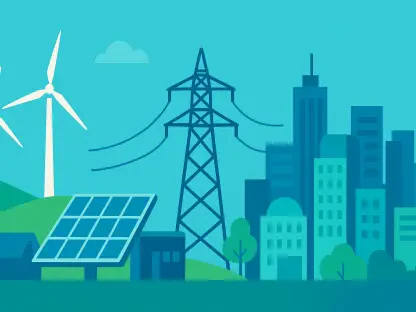

The global race for industrial supremacy is no longer won merely through capital or labor, but through the ability to generate massive, unfailing quantities of electricity at a moment’s notice. As the international community watches, the American energy sector has pivoted toward a strategy of dominance, shifting from a defensive posture of self-sufficiency to an offensive stance that dictates global market trends. This transition represents more than a change in production volume; it signifies a comprehensive realignment of national priorities where energy abundance is viewed as the foundational requirement for both economic stability and geopolitical influence.
Maintaining this momentum requires a delicate balance between traditional baseload power and the increasing integration of intermittent renewable sources. While wind and solar have expanded their footprint, the industry has realized that a modern economy cannot function on weather-dependent energy alone. The reliance on stable, dispatchable power from natural gas, nuclear, and coal remains the bedrock of the national grid. This reality has prompted policymakers to reconsider the speed of the energy transition, ensuring that new capacity does not come at the expense of reliability or the ability to meet sudden surges in demand.
Much of this strategic shift is being orchestrated through the House Committee on Energy and Commerce, which has taken a lead role in crafting policies that prioritize domestic production. Their focus on reducing regulatory friction is intended to link energy abundance directly to the success of advanced manufacturing and the burgeoning field of artificial intelligence. Because AI data centers require vastly more power than traditional computing, the race for technological supremacy has effectively become an energy race. Securing a dominant position in the global AI market is now inextricably tied to the ability to build and fuel a grid that never sleeps.
Assessing the Current Landscape of the American Energy Sector
The strategic shift toward American energy dominance has fundamentally altered the power dynamics of global trade, allowing the United States to act as a stabilizing force in volatile markets. By increasing the export of liquefied natural gas and refined products, the nation has provided an alternative to energy supplies from adversarial regions, thereby strengthening the security of its allies. This dominance is not just a matter of extraction but involves the entire value chain, from advanced drilling technologies to the sophisticated infrastructure required for global distribution.
However, the internal debate regarding the composition of the American power mix continues to influence long-term investment. The integration of intermittent sources like wind and solar has introduced new complexities to grid management, often requiring expensive backup systems to prevent blackouts. Industry leaders are increasingly vocal about the need for a realistic approach that values the consistency of traditional baseload power. Without a steady foundation of nuclear or natural gas, the grid becomes vulnerable to the inherent variability of the weather, which can jeopardize industrial operations.
Furthermore, the connection between energy policy and national security has never been more apparent than in the push for domestic manufacturing. The House Committee on Energy and Commerce has identified that for the United States to maintain its lead in the race for AI supremacy, it must first solve the problem of energy density. High-tech industries require a level of power reliability that traditional renewable mandates have struggled to provide. Consequently, current policy directions are moving toward a framework that treats energy as a strategic asset, essential for fueling the next generation of American innovation and industrial growth.
Analyzing Market Drivers and Projections for Domestic Power
Trends Shaping the Future of Production and Consumption
A visible shift toward energy pragmatism is currently redefining how states and corporations approach their power needs. The aggressive renewable mandates of the past decade are being tempered by a recognition that the transition must be grounded in physical and economic reality. This pragmatic movement emphasizes the necessity of maintaining existing fossil fuel and nuclear assets while new technologies are integrated. It reflects a growing consensus that the primary goal of an energy system is to provide cheap, reliable power rather than merely meeting arbitrary carbon reduction targets.
The rise of massive data centers and the widespread adoption of artificial intelligence are the primary engines of this new consumption era. These facilities operate around the clock and demand a consistent, high-load power supply that can scale rapidly with technological advancements. As these industries expand, the traditional utility model is being pushed to its limits, forcing a reevaluation of how much baseload power is required to keep the digital economy running. This surge in demand is making the case for natural gas and nuclear energy stronger than ever before in recent history.
Simultaneously, a move toward resource nationalism is gaining ground as the United States seeks to decouple its energy and technology supply chains from adversarial nations. This trend is driven by a desire to insulate the domestic economy from geopolitical shocks and to ensure that the components of the energy grid are manufactured under secure conditions. By prioritizing domestic sourcing for everything from transformers to critical minerals, the nation is building a more resilient infrastructure. This shift away from globalized, high-risk supply chains is a cornerstone of the broader strategy to ensure long-term energy security.
Market Data and the Economic Forecast for Energy Infrastructure
Current growth projections for the energy sector indicate a significant expansion in natural gas and nuclear capacity through the end of the decade. As domestic refining capacity also sees renewed investment, the United States is positioning itself to handle both internal demand and the requirements of the global export market. These infrastructure developments are seen as essential for keeping energy prices competitive for American businesses. The focus is shifting toward long-term assets that can provide stable returns while securing the nation’s status as a top energy producer.
One of the most pressing economic challenges facing the sector is the parallel grid problem, which occurs when ratepayers are forced to fund both a new renewable infrastructure and the necessary backup baseload plants. This duplication of costs has led to rising utility bills for residential and industrial consumers alike, creating a drag on economic growth. To address this, market forecasts are increasingly factoring in the need for more efficient resource allocation. Analysts suggest that unless the grid is managed with a focus on cost-effectiveness, the price of the energy transition could undermine industrial competitiveness.
Legislative reforms aimed at streamlining the permitting process are expected to have a stabilizing effect on energy markets over the next several years. By reducing the time it takes to bring new projects online, these reforms lower the risk for investors and help prevent the supply shortages that lead to price spikes. Forecasters anticipate that a more predictable regulatory environment will encourage a surge in private capital for energy infrastructure. This investment is critical for maintaining affordability and ensuring that the United States can meet the energy needs of a high-tech future without compromising its economic health.
Overcoming Structural and Regulatory Barriers to Growth
The pervasive issue of inaction within the federal permitting process remains the most significant hurdle to expanding American energy infrastructure. Projects that should take months often stretch into years as they languish in a bureaucratic maze of overlapping jurisdictions and environmental reviews. This delay not only increases the cost of vital pipelines and transmission lines but also discourages the very investment needed to modernize the national grid. Without a centralized and efficient approval mechanism, the pace of energy development will continue to fall behind the rapidly growing demand.
Grid vulnerabilities have become an urgent concern, particularly during periods of extreme weather when demand reaches record highs. The current system has shown signs of strain, with peak demand occasionally exceeding the available supply of dispatchable power. These vulnerabilities are often exacerbated by the premature retirement of coal and gas plants, which are being shuttered before adequate replacements are fully operational. Protecting the remaining baseload fleet is now seen as a matter of public safety and economic necessity, as a single major blackout can result in billions of dollars in lost productivity.
Another technical bottleneck is the interconnection queue, where new energy projects wait for permission to hook into the national electrical grid. The current first-come, first-served system has become overwhelmed, causing critical projects to be delayed by years due to administrative backlogs. This inefficiency prevents the timely integration of both traditional and renewable sources, slowing down the overall expansion of the energy supply. Resolving these bottlenecks requires a shift toward prioritizing projects that provide the greatest benefit to grid reliability, ensuring that the most stable and necessary power sources move to the front of the line.
Navigating the Legislative and Policy Framework for Energy Security
Legislation like the GRID Power Act and the Reliable Power Act has been introduced to address the growing concerns over the integrity of the national electrical grid. These acts are designed to empower grid operators to prioritize reliability over other factors, ensuring that the lights stay on even during periods of intense stress. By creating federal standards for grid resilience, these policies aim to prevent the kind of systemic failures that lead to widespread blackouts. They represent a significant shift toward a more proactive management of the nation’s energy heart, emphasizing the physical stability of the power supply.
The REFINER Act and the Unlocking our Domestic LNG Potential Act are equally critical in the quest to secure the energy supply chain. These measures focus on expanding the capacity to process and export the nation’s abundant natural resources, thereby reducing the influence of foreign cartels on domestic prices. By repealing restrictive export bans and encouraging the construction of new refineries, these policies aim to maximize the economic and geopolitical benefits of American oil and gas. This legislative push is a direct response to the need for a more robust and self-reliant energy ecosystem that can withstand global market fluctuations.
Improving the speed of infrastructure development is the goal of the Improving Interagency Coordination for Pipeline Reviews Act. This policy seeks to designate a lead agency for environmental reviews, preventing the conflicting mandates that often stall natural gas projects. Additionally, there is a growing trend at both the federal and state levels to mandate ten-year dispatchable energy cushions. These mandates require utilities to prove they have enough reliable power in reserve to handle projected demand growth for a decade. Such long-term planning is essential for avoiding the reliability crises that have plagued regions with overly aggressive renewable transition timelines.
The Future of American Energy: Innovation and Global Leadership
The evolution of small modular reactors and other advanced nuclear technologies is set to transform the landscape of baseload power in the coming years. Unlike traditional large-scale plants, these smaller units can be deployed more flexibly and closer to the industrial centers that need them most. This innovation offers a path toward a carbon-neutral future that does not sacrifice the reliability or the high energy density required for heavy manufacturing. As these technologies mature, they are expected to become a staple of the American energy mix, providing a secure and steady source of electricity for generations.
Securing the supply of critical minerals is another vital component of maintaining technological leadership, as addressed by the Securing America’s Critical Minerals Supply Act. Modern energy systems and high-tech hardware are heavily dependent on minerals that have historically been controlled by adversarial nations. By incentivizing domestic mining and processing, the United States is working to ensure that its tech sector remains insulated from foreign leverage. This focus on mineral security is a clear indication that the definition of energy dominance now extends far beyond just oil and gas.
Regulatory streamlining will ultimately position the United States as the primary global exporter of both energy and the advanced technology needed to produce it. By demonstrating a successful model of reliable and affordable power, the nation can lead by example on the world stage. The long-term geopolitical benefits of a fully independent and dominant American energy ecosystem are profound, as it allows the U.S. to negotiate from a position of strength and support the energy needs of its partners. This path forward ensures that American innovation remains at the center of the global economy, powered by an unrivaled energy foundation.
Establishing a Resilient Blueprint for National Energy Dominance
The pursuit of energy dominance required a fundamental shift in how the nation approached its natural resources and regulatory frameworks. It was determined that a market-driven, all-of-the-above strategy was the only viable way to ensure both reliability and affordability for a modern economy. This approach allowed for the growth of renewable sources while simultaneously reinforcing the dispatchable baseload power that served as the grid’s backbone. By prioritizing the stability of the electrical system above all else, the United States successfully avoided the pitfalls of energy scarcity and maintained its industrial edge.
Actionable recommendations emerged from this period of transition, focusing on the need to protect existing power assets and expedite the construction of new ones. Policymakers recognized that the integration of high-demand technologies like artificial intelligence necessitated a dramatic increase in energy density and consistency. Consequently, strategic investments were directed toward small modular reactors and natural gas infrastructure to provide the massive loads required by the digital age. These steps were taken to ensure that the energy grid remained a catalyst for growth rather than a bottleneck for innovation.
Ultimately, the intersection of energy policy and national security became the defining theme of the era’s industrial strategy. By decoupling supply chains from adversarial influences and securing domestic sources for critical minerals, the nation bolstered its sovereignty. The legislative successes of the past several years provided the blueprint for a resilient and dominant energy ecosystem. This comprehensive framework ensured that the American economy was powered by a secure, affordable, and independent energy supply, cementing the country’s role as a global leader in both production and technological advancement.