
The current global energy landscape is undergoing its most significant transformation since the Industrial Revolution as nations scramble to balance the volatility of renewable sources with the unwavering reliability of carbon-free baseload power. This transition is no longer a distant aspiration but a living reality for grid operators who must manage the surge of decentralized solar installations alongside a resurgence in nuclear investment. In this environment, the traditional divide between environmentalists and industrial proponents is dissolving, replaced by a pragmatic strategy that views nuclear reactors and solar farms as complementary components of a single, resilient system. While solar provides cheap daytime power, nuclear ensures stability during peaks and nights, creating a diversified portfolio that mitigates the risks of energy insecurity. This shift requires not just new hardware but a complete reimagining of how electricity is distributed across international borders. Modern grids are becoming living organisms, constantly adjusting to weather patterns and industrial demand through artificial intelligence and advanced load balancing. By focusing on the unique strengths of both technologies, societies are building a foundation for a sustainable future that does not compromise on economic growth or the stability of the electrical supply.
Evolution Of Infrastructure Resilience
Smart Integration: Balancing Intermittency
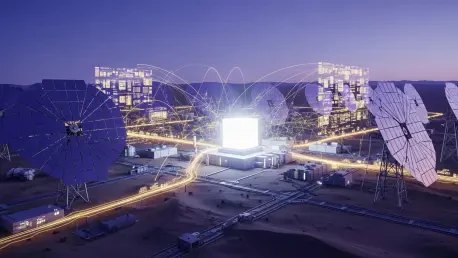
Energy systems are currently evolving into high-tech ecosystems where artificial intelligence plays a central role in synchronizing solar output with nuclear baseload generation to prevent grid instability. By utilizing advanced machine learning algorithms, utilities can now predict cloud cover and solar fluctuations with incredible accuracy, allowing nuclear plants to adjust their output or divert excess thermal energy into secondary storage systems. This technological leap has effectively neutralized the primary criticism against solar power, which was its inability to provide consistent energy without a massive carbon footprint from gas-fired backup plants. Furthermore, the deployment of high-voltage direct current lines has enabled the transport of surplus solar energy from sun-drenched regions to industrial hubs, where nuclear facilities provide the necessary voltage support to maintain frequency stability. These interconnected networks represent a departure from the isolated grids of the previous century, fostering a collaborative environment where diverse technologies work in tandem rather than competition. This integrated approach ensures that the energy supply remains robust even during periods of low renewable generation or high demand.
Distributed Storage: Beyond Traditional Batteries
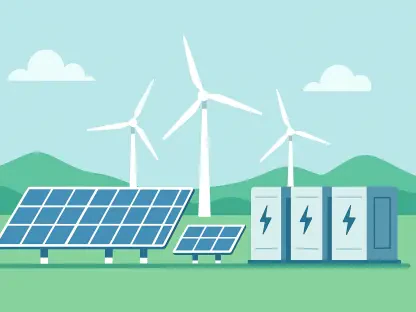
The integration of solar and nuclear power is further bolstered by the development of long-duration thermal and chemical storage solutions that far exceed the capacity of standard lithium-ion batteries. In many regions, excess solar energy generated during midday peaks is now being used to superheat molten salts or produce green hydrogen, which can then be stored and utilized when solar generation drops off. Nuclear power plants are increasingly being designed to interface with these storage systems, providing a steady heat source that maintains the storage medium’s temperature, thereby increasing overall efficiency and reducing the stress on the reactor’s core during load cycling. This hybrid approach allows for a much more flexible response to shifting demand, as the grid can pull from stored energy reserves during peak evening hours without requiring the nuclear plant to operate at inefficient or dangerous levels. By creating these massive energy reservoirs, the modern grid has achieved a level of resilience that was previously thought impossible, ensuring that hospitals and data centers remain powered regardless of meteorological shifts or sudden spikes in local consumption. This synergy represents a major step forward in the quest for a carbon-neutral infrastructure.
Economic And Environmental Implications
Small Modular Reactors: A Localized Solution
Small modular reactors have emerged as a cornerstone of the current energy strategy, providing a flexible and scalable alternative to the massive, multi-gigawatt power plants that dominated the nuclear industry for decades. These compact units are being deployed in close proximity to major solar arrays, creating localized energy hubs that can operate independently from the national grid if necessary. This decentralized approach minimizes the risk of widespread blackouts caused by natural disasters or cyberattacks, as each hub can sustain its local community through a combination of solar-generated electricity and nuclear-provided baseload. Additionally, the simplified design and factory-based manufacturing of these reactors have significantly reduced construction timelines and capital costs, making nuclear power more accessible to smaller nations and regional utilities. As these reactors become more common, they are being integrated into microgrids that power remote areas, providing a steady stream of clean energy that complements seasonal solar variations. This shift toward modularity has democratized access to nuclear technology while ensuring that the safety protocols are more manageable and standardized across different regions.
Advancing Global Sustainability Targets
Global emissions trajectories entered a period of steady decline as the integration of nuclear and solar energy became the standard blueprint for national infrastructure projects. Leaders moved beyond the debate of choosing one over the other, recognizing that the urgency of the climate crisis required every available carbon-free tool to be deployed simultaneously. Governments implemented aggressive tax incentives that encouraged corporations to build dedicated solar-nuclear microgrids, which provided both energy independence and a path to zero-carbon operations. The expansion of this hybrid model allowed developing nations to skip the fossil fuel phase of industrialization entirely, jumping directly into a high-tech, sustainable power structure. Future considerations now focus on refining the recycling of solar materials and the long-term management of nuclear fuel to create a truly circular energy economy. These actions proved that a balanced, diversified approach was the only viable method to ensure both planetary health and the continued growth of the global technological civilization. This transition set a new standard for infrastructure development, emphasizing the necessity of technological diversity in achieving long-term resilience and economic growth.