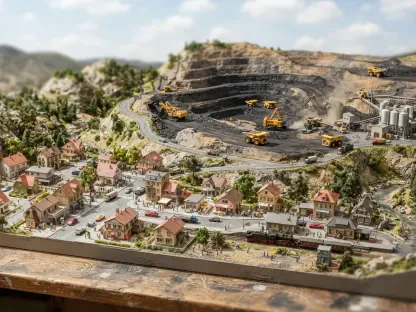

The small fishing community of Moerdijk, home to approximately 1,100 residents on the southern shore of the Hollands Diep estuary, currently stands as a symbolic and literal battleground for the Netherlands’ ambitious green energy transition. Located roughly twenty-one miles south of Rotterdam, this historic settlement faces an existential crisis as the Dutch government evaluates the necessity of demolishing the entire village to accommodate massive industrial infrastructure. The geographical advantages of the site, characterized by its deep-water access and proximity to existing power corridors, have placed it directly in the crosshairs of national planners who are tasked with integrating offshore wind power into the national grid. This situation creates a profound conflict between the preservation of local heritage and the country’s broader environmental and security goals, forcing a conversation about the true cost of achieving a carbon-neutral economy. As the state moves forward with its logistical requirements, the people of Moerdijk find themselves caught between a storied past and a future where their homes may no longer exist.
The Blueprint for a Carbon-Neutral Future
Connecting Offshore Power: The Role of Converter Stations
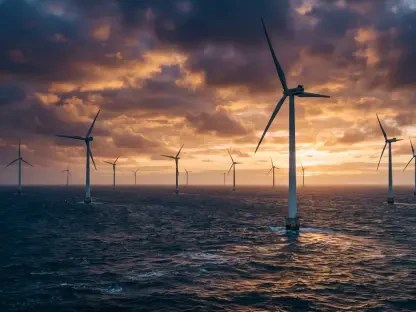
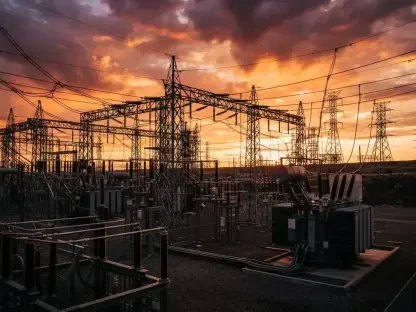
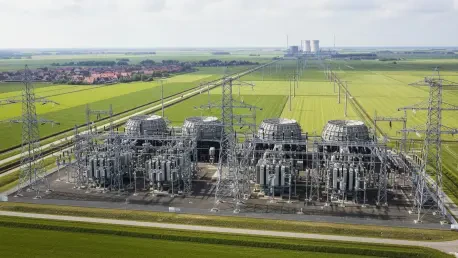
The primary driver behind the potential demolition of Moerdijk is the urgent national requirement for vast, strategic sites capable of hosting high-voltage converter stations. These facilities serve as the essential physical link between the massive wind farms currently expanding across the North Sea and the inland electrical grid that powers Dutch homes and industries. Because the Netherlands is one of the most densely populated nations on Earth, finding unoccupied land for such large-scale technical infrastructure is an ongoing challenge for state-owned grid operators like TenneT. National planners have identified Moerdijk as a prime location specifically because it can facilitate the landing of subsea cables without the need for extensive new overland transmission lines that would impact other regions. However, the sheer physical footprint of these stations is immense, requiring hundreds of hectares of cleared land to ensure safe and efficient operation. This technical necessity transforms the village from a residential area into a critical node in a complex energy network.
Building these stations is not merely a matter of convenience but a response to the severe grid congestion that currently limits economic growth and housing development across the country. As of early 2026, the Dutch electricity grid has reached its capacity in several provinces, leading to a moratorium on new industrial connections and delaying renewable energy projects. By establishing a massive energy hub in Moerdijk, the government aims to alleviate these bottlenecks, allowing for a more fluid distribution of renewable power to the industrial heartlands. The plan involves converting the current residential and agricultural zones into a high-tech industrial park that can handle the intermittent surges of power generated by offshore turbines. While the technical logic is sound from a national perspective, it necessitates a complete reconfiguration of the local landscape. The transition to green energy, therefore, requires a physical transformation of the territory that often overlooks the social and historical layers of the land, focusing instead on the immediate requirements of electrical engineering and national energy security.
Industrial Scaling: Hydrogen and Ammonia Corridors
Beyond the immediate needs of the electrical grid, the proposal for Moerdijk envisions a comprehensive energy corridor designed to support the burgeoning hydrogen economy. This transformation involves clearing approximately 450 hectares of land—an area equivalent to roughly 700 football fields—to make room for hydrogen production factories and large-scale storage facilities. These plants are intended to use the surplus electricity from offshore wind farms to split water molecules, creating green hydrogen that can be used to decarbonize heavy industries that cannot easily run on electricity alone. The strategic vision for Moerdijk includes its integration into a network of pipelines that will transport hydrogen and ammonia from the coast to the southeastern regions of the country and into Germany. This infrastructure is vital for the survival of the European industrial sector in a post-fossil fuel era, making the village a cornerstone of the continental energy strategy. The project effectively treats the village site as a blank slate for the next phase of the industrial revolution.
The scale of this planned industrialization is unprecedented for a small community, as it involves not only the construction of factories but also the installation of high-pressure pipelines that require significant safety buffers. These safety zones further limit the possibility of maintaining a residential population in close proximity to the new facilities. Planners argue that by concentrating these hazardous and high-impact industrial activities in a single, well-connected location, they can minimize the overall environmental footprint across the rest of the nation. This utilitarian approach prioritizes the efficiency of the national energy transition over the continuity of the local community. For the residents, this means that even if their specific homes are not directly in the path of a converter station, the surrounding industrialization would make the village uninhabitable due to noise, light pollution, and safety risks. The vision for a carbon-neutral Netherlands thus hinges on the creation of specialized industrial zones that may require the total displacement of existing settlements to meet the rigorous standards of modern energy production.
The Socio-Economic Cost of Industrial Expansion
Existential Limbo: The Human Dimension of Relocation
For the residents of Moerdijk, the green transition is not an abstract policy debate but a daily psychological burden that has created a state of existential limbo. Local business owners, such as Jaco Koman, a third-generation fish merchant whose family has operated in the area since 1918, represent the deep roots that are now being threatened. His business, which supplies smoked eels to high-end restaurants, relies on the same maritime access that makes the site attractive to energy planners. The irony is not lost on the community: the very features that allowed their traditional trades to flourish for over a century are now the reasons for their potential displacement. Residents express a deep sense of betrayal, feeling that their history and livelihoods are being sacrificed for a national goal that provides them with no direct benefit. The psychological toll is exacerbated by the fact that the village has survived previous industrial expansions, only to face this final, absolute threat from a project labeled as environmentally friendly and sustainable for the future.
The physical decay of the village is already becoming visible as the threat of demolition has effectively frozen the local real estate market. Potential buyers are unwilling to invest in homes that may be leveled within a decade, leaving current residents trapped in properties that have lost their value. This financial paralysis prevents families from planning for the future, whether it involves renovating their homes or relocating on their own terms. Furthermore, the spiritual distress of the community is anchored in the fate of the local cemetery, where generations of Moerdijk residents are buried. The prospect of exhuming and relocating the graves of ancestors adds a layer of grief that goes beyond the loss of physical property. For many, the village is not just a collection of buildings but a repository of collective memory and familial continuity. The uncertainty surrounding the government’s final decision has created a communal atmosphere of mourning, symbolized by the flags flying at half-mast, as the residents wait to see if their town will remain on the map or become a footnote in industrial history.
The Utilitarian DilemmNational Interest vs. Community Autonomy
The conflict in Moerdijk highlights a broader trend in European governance where vital national interests increasingly override the autonomy of local municipalities. While the Dutch political system allows for local councils to voice objections, the state remains fundamentally centralist when it comes to projects deemed essential for national security or climate targets. The national government possesses the legal instruments to bypass local zoning laws and environmental protections if a project is classified as a matter of urgent public interest. This legal framework places small communities at a significant disadvantage when their interests clash with the state’s vision for energy independence. In the case of Moerdijk, the provincial and national authorities are balancing the total loss of one village against the potential degradation of life in several surrounding areas. This “utilitarian sacrifice” is presented as a necessary evil to ensure the functionality of the national power grid, reflecting a harsh reality where the rights of the few are subordinated to the perceived needs of the many.
Local officials, led by Mayor Aart Jan Moerkerke, find themselves in an agonizing position as they navigate the pressure from the central government while trying to represent their constituents. The municipality has tentatively discussed the possibility that a controlled demolition and relocation might be better than a slow, decades-long decline caused by encroaching industry. This perspective suggests that if the village’s fate is sealed, a clear and well-funded relocation plan is preferable to the current state of uncertainty. However, this pragmatic approach is met with stiff resistance from residents who refuse to accept the inevitability of their town’s destruction. The final ruling on the matter has been postponed, leaving the community in a state of suspended animation. This delay illustrates the political difficulty of executing the green transition, as the government must weigh the financial and social costs of destroying a community against the technical risks of delaying the energy overhaul. The struggle of Moerdijk serves as a critical test for how modern democracies will handle the displacement of citizens in the name of environmental progress.
A New Framework for Sustainable Development
The situation in Moerdijk demonstrated that the transition to a sustainable energy system was not merely a technological challenge but a profound social and ethical dilemma. Government planners eventually recognized that the success of the green transition depended on maintaining public trust, which was severely tested by the proposal to dismantle an entire community. To address these concerns, authorities began exploring alternative engineering solutions, such as offshore artificial islands for converter stations, which could mitigate the need for large-scale land clearance in populated areas. These alternatives, while more expensive, offered a way to preserve local heritage while still achieving the necessary grid capacity. This shift in strategy highlighted the need for a more inclusive planning process that accounted for the social value of land, moving beyond purely technical and economic metrics. By prioritizing the preservation of existing settlements, the state sought to balance the urgent requirements of the climate crisis with the fundamental rights of its citizens to remain in their ancestral homes.
Future energy projects must adopt a more collaborative approach that integrates local communities into the decision-making process from the earliest stages of development. Instead of presenting demolition as a fait accompli, planners should focus on co-designing infrastructure that can coexist with residential areas or providing substantial, multi-generational compensation packages that go beyond simple market value. The experience of Moerdijk served as a catalyst for new legislation that requires a higher threshold of evidence before the state can exercise its power of eminent domain for energy projects. Moving forward, the focus must be on creating a “just transition” that does not disproportionately burden small, rural communities for the benefit of urban centers. By investing in innovative technologies and fostering transparent communication, the Netherlands can serve as a global model for how to navigate the complex trade-offs of the green era. The ultimate lesson was that a truly sustainable future must be one that protects both the planet and the people who inhabit it, ensuring that progress does not come at the cost of the very communities it aims to serve.