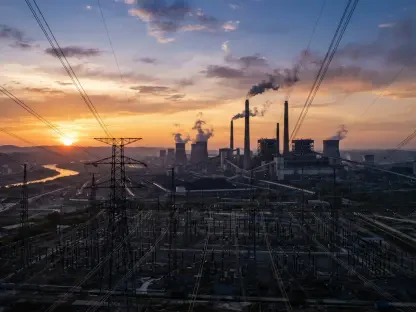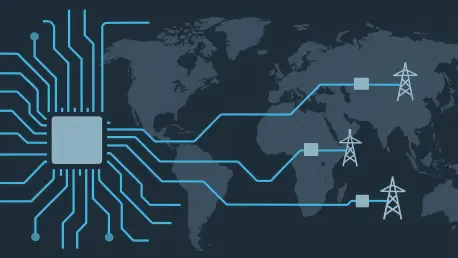

Utility providers in Florida and the Mid-Atlantic are encountering unprecedented challenges in balancing data center growth with general consumer energy needs. As large-scale language models transition from experimental prototypes to ubiquitous enterprise tools, the volume of electricity required to maintain cooling systems and high-density server racks has pushed existing grid architectures to their absolute limits. In Northern Virginia, where the concentration of digital infrastructure is highest, the surge in demand is forcing energy companies to delay the retirement of older thermal plants while simultaneously fast-tracking the construction of high-voltage transmission lines. This tension is a global indicator of the friction between rapid technological advancement and the physical realities of power generation. As tech giants deploy tens of thousands of specialized accelerators, the gap between available megawatts and required load continues to widen, demanding a radical rethink of energy policies for stability.
The Hardware Factor: Powering the Infrastructure Crisis
The evolution of hardware, specifically the deployment of NVIDIA Blackwell and ##00 chips, has drastically altered the power profile of modern data centers. Unlike previous iterations of server technology, these advanced units consume significantly more power per rack, sometimes exceeding 100 kilowatts. This concentration of energy use creates localized heat signatures that require liquid cooling solutions, further adding to the electricity overhead. Companies like Microsoft and Google are now forced to consider geographical placement based almost entirely on grid capacity rather than proximity to metropolitan hubs. In regions like Texas and parts of the Midwest, the arrival of massive AI clusters has led to concerns regarding the resilience of the local electrical infrastructure during peak summer months. The strain is palpable as transformer lead times stretch into several years, preventing necessary upgrades that would allow for a smoother integration of these facilities into the broader network.
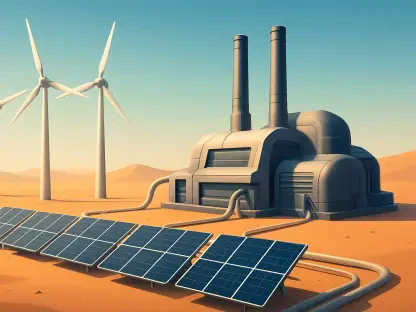
Beyond immediate hardware requirements, the architectural shift toward generative AI necessitates a shift in how energy is distributed across various regions. Modern facilities are no longer passive repositories of data but active computing engines that require constant, uninterrupted high-voltage feeds. This consistency is difficult to maintain when renewable energy sources like wind and solar, which are inherently intermittent, are being integrated into the same grid. To bridge this gap, some developers are looking toward small modular reactors (SMRs) and behind-the-meter generation strategies to bypass the congested public grid. By generating power on-site, these facilities hope to insulate themselves from the volatility of energy markets and the regulatory delays associated with grid interconnectivity. However, the regulatory landscape for such private power projects remains complex, often lagging behind the pace of the technology it is meant to support, creating a significant bottleneck for growth.
Strategic Solutions: Navigating the Path to Stability
Addressing the energy deficit requires a multifaceted approach that combines regulatory reform with significant investment in grid modernization and storage technology. One promising avenue involves the implementation of large-scale battery energy storage systems (BESS) that can capture excess renewable energy during periods of low demand and discharge it when AI workloads peak. Utility companies are also exploring the use of AI itself to optimize the grid, employing predictive algorithms to manage load distribution and prevent outages before they occur. This creates a circular relationship where the technology that strains the grid also provides the tools necessary to manage it more effectively. Furthermore, the push for energy efficiency at the software level is gaining traction, as developers prioritize more efficient code and lighter models that deliver similar results with a fraction of the computational footprint. These efforts are part of a larger structural shift that requires deep partnerships.
Stakeholders recognized that the path forward required a fundamental decoupling of computational growth from carbon-intensive energy sources. To ensure long-term sustainability, industry leaders shifted toward a model where new data centers were mandated to include dedicated clean energy components, such as hydrogen fuel cells or geothermal taps. This transition moved the focus from simple consumption to responsible stewardship of local resources, ensuring that the AI revolution did not come at the expense of regional energy security. Policymakers and tech executives eventually collaborated on standardized energy transparency reports, which allowed for better long-term planning and more accurate load forecasting. By prioritizing the decentralization of data centers and investing in ultra-efficient transmission lines, the industry mitigated the risk of catastrophic grid failure. The focus turned toward localized microgrids that operated independently during crises, providing a resilient model.