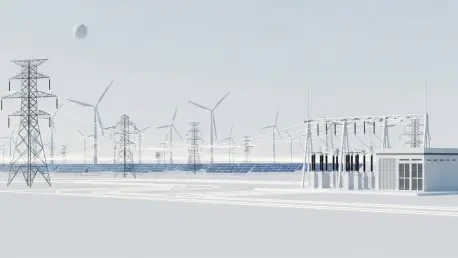

The global transition toward a carbon-neutral economy has placed an extraordinary level of stress on existing electrical infrastructures that often lack the flexibility to handle decentralized generation. As utilities strive to incorporate massive amounts of solar and wind energy into their portfolios, the inherent volatility of these sources threatens the stability of the traditional power grid. This necessitates a shift from the reactive maintenance strategies of the past to a proactive, data-driven approach that can anticipate failures before they occur. Siemens Energy and Camlin Group have emerged as key players in this effort, leveraging their combined expertise to develop sophisticated monitoring solutions that provide deep visibility into the health of critical equipment. By digitizing physical assets like high-voltage transformers and circuit breakers, these organizations are establishing a foundation for a more resilient energy network. This integration allows operators to optimize performance while minimizing the risk of outages across the system.
Digital Transformation of Traditional Assets
Deployment of Specialized Sensor Networks: Real-Time Monitoring
Building on the need for increased visibility, the integration of Camlin’s specialized sensor technology into Siemens Energy’s broader portfolio marks a significant advancement in asset management. These sensors are designed to detect minute chemical and physical changes within transformers, such as dissolved gases or temperature fluctuations, which serve as early warning signs of potential degradation. In the past, such assessments required manual sampling and offline analysis, leading to delays and potential data gaps. Today, the continuous flow of real-time information allows for the creation of a comprehensive digital profile for each asset. This granular level of detail is essential for managing the increased thermal stresses caused by the fluctuating loads associated with electric vehicle charging and renewable energy feeding into the grid. Furthermore, the automation of these diagnostics reduces the reliance on manual inspections, thereby increasing safety for field personnel and ensuring a more consistent stream of intelligence.
Advanced Analytics for Predictive Grid Maintenance: Operational Efficiency
The raw data collected from hardware is only as valuable as the insights derived from it, which is where the analytical software components of the Siemens and Camlin partnership become vital. By applying sophisticated algorithms to the incoming sensor streams, the system can identify patterns that correlate with specific failure modes or efficiency losses. This level of predictive intelligence enables utilities to transition away from time-based maintenance schedules, which often involve servicing equipment that is still in good condition while missing hidden faults in others. Instead, resources are directed toward the assets that truly require intervention, optimizing operational expenditures and extending the lifespan of multimillion-dollar components. This strategic focus is particularly critical in regions where the grid is aging and replacement costs are prohibitive. By maximizing the utility of existing hardware through digital overlays, the industry can bridge the gap between current limitations and the requirements of a decarbonized landscape.
Strategic Integration for Grid Resilience
Mitigating Risks in Decentralized Energy Ecosystems: Stability Control
As the energy landscape becomes increasingly decentralized, the complexity of managing power distribution grows exponentially, requiring a more coordinated response from technology providers. The collaboration between Siemens Energy and Camlin Group addresses this complexity by ensuring that monitoring solutions are not isolated silos but are integrated into a holistic management framework. This approach allows for better coordination across different segments of the value chain, from generation and transmission to the final distribution point. One of the primary benefits is the ability to manage the bidirectional flow of electricity, which occurs when localized solar arrays feed back into the main grid. Without precise monitoring, these backflows can cause voltage instability and damage sensitive equipment. The implementation of intelligent monitoring tools provides the necessary safeguards to handle these dynamic conditions, ensuring that the grid remains stable even as more variable energy sources are introduced into the overall generation mix.
Implementation of Scalable Grid Modernization Strategies: Past Performance
The partnership between these two industry leaders demonstrated that a collaborative approach was the most effective way to modernize the global power infrastructure. Utilities that adopted these integrated monitoring solutions successfully reduced their unplanned downtime by identifying critical transformer vulnerabilities months before they could lead to catastrophic failures. The strategic deployment of Camlin’s sensing technology alongside Siemens’ automation platforms allowed for a more agile response to the shifting demands of the energy transition. Furthermore, the standardization of data protocols facilitated a smoother rollout across international borders, enabling developing regions to leapfrog older technologies in favor of smarter, digital-first systems. The focus shifted from mere hardware replacement to the enhancement of existing assets through intelligent software overlays. Ultimately, the industry moved toward a model where data became as valuable as the electricity itself, providing a blueprint for how technical synergy solved the most pressing challenges of grid reliability.