
The logistical landscape of Australia is currently undergoing a radical transformation as heavy-duty transport shifts toward zero-emission solutions. Commercial operators often find that public charging networks are currently ill-equipped to handle large vehicles or those hauling trailers without requiring time-consuming unhitching. Recent field tests, covering over 25,000 kilometers of diverse Australian terrain from coastal highways to steep mountain passes, have demonstrated that vehicle procurement is only the first step in a much larger energy puzzle. These trials revealed that the success of an electric fleet is inextricably linked to the charging environment rather than just the battery specifications of the truck itself. As businesses navigate the complexities of this transition, it has become evident that a long-term strategic approach is required to transform traditional depots into sophisticated energy hubs capable of sustaining heavy payloads over long distances and through varied climates.
The Foundation of Energy Management
The Depot: The Nexus of Success
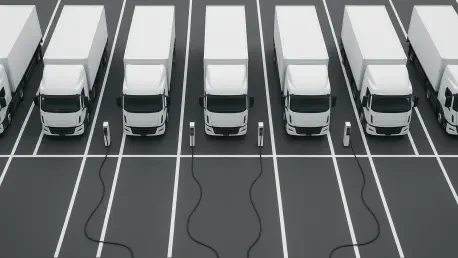
Establishing a successful electric fleet begins with a fundamental shift in how organizations perceive their physical facilities. The depot serves as the critical environment where charging, scheduling, and energy consumption converge to determine the feasibility of a fleet, making it the nexus of all operational success. Many existing commercial facilities were never designed to support the massive electrical draw required by multiple heavy-duty chargers operating simultaneously. Consequently, organizations must move away from a simple plug-and-play mentality and invest time in a deep understanding of the invisible infrastructure behind the charger. Evaluating existing cabling and switchboard capacity is a non-negotiable first step, as current electrical setups are often insufficient for high-draw requirements. Without a robust internal power foundation, the entire electrification strategy risks failure before the first vehicle even leaves the facility for a delivery.
Real-world applications have highlighted significant gaps between the capabilities of standard passenger electric vehicles and those required for heavy-duty commercial use across Australia. When towing heavy payloads or navigating steep elevations, the energy consumption of electric fleets increases dramatically, necessitating more nuanced route planning and energy management. These challenges are often exacerbated by a public charging network that lacks the physical space for larger vehicles or trailers, making depot-based charging the only reliable option for many logistics providers. Reliability issues at public stations can lead to unacceptable delays for time-sensitive logistics or emergency services, which further underscores the importance of a controlled environment. By focusing on the depot as the primary energy source, companies can mitigate the risks associated with external infrastructure and ensure that their vehicles are always ready for the specific demands of their regional routes.
Intelligent Energy Integration: Managing the Load
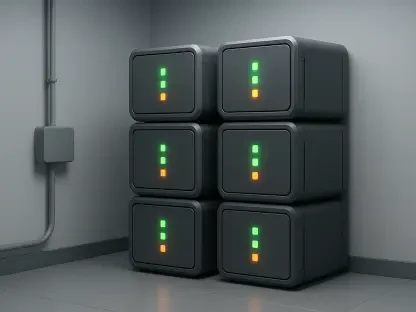
Beyond the physical hardware of chargers and cables, the integration of automation and digitalization is essential for managing a facility’s total energy load effectively. Instead of pursuing expensive and time-consuming grid upgrades, smart organizations utilize digital management systems to track site demand, solar generation, and utility tariffs in real-time. This sophisticated software allows vehicles to be charged based on priority and available capacity, effectively smoothing out peak demand to avoid excessive utility charges. By coordinating chargers with the wider electrical ecosystem, businesses can maximize their use of renewable energy and keep operational costs under control while maintaining high fleet availability. The ability to monitor every kilowatt in real-time provides a level of transparency that allows fleet managers to make data-driven decisions that enhance the overall efficiency of the entire transportation network.
The implementation of smart charging algorithms has proven to be a game-changer for large-scale operations where multiple vehicles must be ready for early morning shifts. These systems can automatically delay charging for less urgent vehicles until off-peak hours when electricity prices are lower, or when local solar arrays are producing peak power. This level of intelligent integration ensures that the depot does not exceed its maximum power allocation, which prevents costly fines from utility providers and protects the longevity of the electrical components. Furthermore, advanced energy management platforms can simulate different scenarios, such as the addition of more vehicles or changes in delivery routes, to provide accurate predictions of future energy needs. This proactive approach allows organizations to refine their energy procurement strategies and build a more resilient operation that is less vulnerable to the volatility of the national energy market.
Strategic Operational Planning
Scaling for the Future: Long-Term Infrastructure Design
A common pitfall in the electrification journey is installing infrastructure that only meets the immediate needs of a small pilot program rather than a full-scale operation. Short-term thinking leads to redundant costs and logistical bottlenecks when the fleet inevitably scales from a few test units to a complete zero-emission lineup. Forward-thinking businesses must design their depot infrastructure to accommodate projected fleet sizes from 2026 to 2031 to avoid expensive retrofitting later. This involves a comprehensive analysis of how payload requirements, operating hours, and environmental conditions like regional topography will impact battery depletion over the long term. By installing oversized conduits and high-capacity switchgear during the initial construction phase, companies can significantly reduce the cost and complexity of adding more chargers as their fleet grows. Planning for total fleet conversion from the outset ensures a seamless transition and a lower total cost.
The unique environmental conditions found across the Australian continent play a significant role in determining the energy requirements of a modern electric depot. Extreme heat can impact both battery performance and the efficiency of charging hardware, requiring specialized cooling solutions and climate-controlled electrical rooms. Moreover, the topography of specific routes must be factored into the depot’s energy capacity, as vehicles returning from hilly regions may require faster, more intensive charging sessions to maintain their schedules. Organizations that failed to account for these variables often discovered that their infrastructure was unable to keep pace with the rigorous demands of real-world logistics. Therefore, a successful strategy included detailed mapping of energy usage patterns based on the specific geographic areas served by each depot. This localized approach allowed for the optimization of charging infrastructure to meet the precise needs of each site.
Reliability and Confidence: Operational Best Practices
The transition to zero-emission vehicles carries significant reputational risk, as any failure in scheduling is often blamed on the technology rather than the underlying infrastructure. Reliability is the cornerstone of public and organizational confidence; therefore, a controlled depot-based charging strategy is vital for maintaining service levels. When a vehicle fails to reach its destination due to poor energy planning, it undermines the business case for electrification and creates resistance among staff and stakeholders. By prioritizing internal energy solutions over a maturing public network, companies gained greater control over their operational destiny and ensured that their service remained uninterrupted. This control was essential for maintaining the high standards of reliability that customers expected in a competitive market. Building this internal capability fostered a culture of innovation and confidence, proving that electric transport was a superior solution.
The most successful Australian logistics firms viewed their fleet transition as a comprehensive energy infrastructure project rather than a simple vehicle replacement task. They performed detailed site audits and invested in scalable electrical foundations that supported growth through 2031 and beyond. These organizations also implemented integrated software platforms that harmonized vehicle charging with onsite renewable generation and grid demand. By taking these proactive steps, businesses eliminated the uncertainties associated with public charging and secured their operational efficiency in a rapidly changing economy. The deployment of smart energy management allowed managers to optimize costs and maintain peak performance even as energy prices fluctuated. Ultimately, these strategic investments in depot infrastructure served as the bedrock for a sustainable transport model that balanced environmental goals with financial pragmatism. Leaders who embraced this holistic approach successfully navigated the shift and set a new standard for the industry.