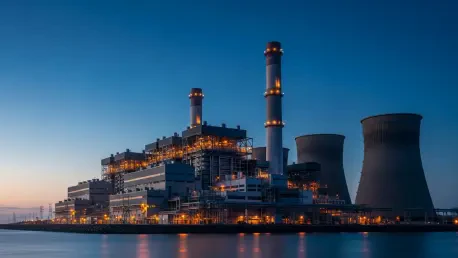

The flicker of a light bulb in a Colombo residence or the steady hum of a factory in Gampaha relies on a fragile industrial tether that reaches across the ocean to the coal mines of the world. As of 2026, the energy security of Sri Lanka remains precariously balanced on the operational integrity of the Lakvijaya Power Plant, a facility that serves as the heart of the national grid. However, recent investigative audits have peeled back the layers of a deepening crisis within the procurement sector, revealing how administrative negligence and technical compromises have begun to erode the foundations of the country’s power infrastructure. The current landscape is one defined not by technical innovation, but by a grueling struggle to maintain basic standards in the face of systemic decay within state-owned enterprises.
The Critical Role of Coal Power in Sri Lanka’s Energy Infrastructure
The Strategic Weight of the Lakvijaya Power Plant on National Grid Stability
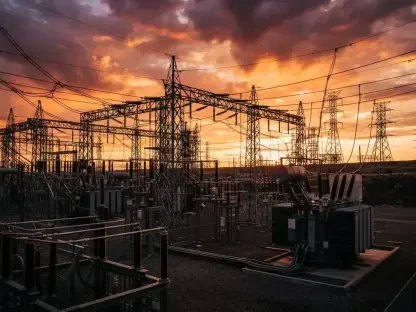
The Lakvijaya Power Plant, located in Norochcholai, is far more than just a generation facility; it is the fundamental stabilizer for the entire island’s electrical ecosystem. With a total installed capacity of 900 MW, the plant provides the essential base load that prevents the national grid from collapsing under fluctuating demand. During peak hours, this single site accounts for nearly forty percent of the total electricity generated nationwide. Because the facility is designed to run continuously, its stability directly dictates the economic health of the nation, influencing everything from small-scale manufacturing to the operational viability of major hospitals.
The reliance on this thermal giant creates a scenario where any deviation in fuel quality or supply chain efficiency results in immediate cascading effects. When the plant operates at full capacity, the cost of electricity remains relatively manageable; however, the moment the units falter due to poor fuel or mechanical failure, the national grid must pivot toward expensive emergency power sources. This strategic weight makes the procurement of coal a matter of national security rather than a simple commercial transaction. The current audit findings suggest that the gravity of this responsibility was not reflected in the actions of those charged with managing the fuel supply, leading to a dangerous misalignment between the plant’s technical needs and the actual resources provided.
Analyzing the Lanka Coal Company’s Scope and Regulatory Framework
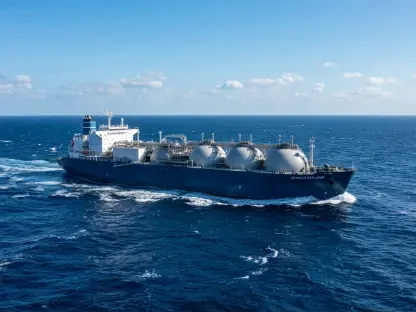
At the center of this logistics network sits the Lanka Coal Company, the sole entity mandated to source, transport, and deliver the millions of tons of coal required to keep the turbines spinning. This organization was established to operate within a rigid regulatory framework designed to ensure transparency and cost-effectiveness. The mandate involves not only the selection of suppliers but also the rigorous verification of coal quality at both the loading and discharge ports. In theory, this framework serves as a shield against the volatility of global energy markets, protecting the interests of the Sri Lankan consumer by locking in reliable contracts with reputable international producers.
Despite these formal structures, the regulatory landscape has become increasingly blurred by administrative paralysis and a lack of accountability. The oversight committees that should have served as gatekeepers instead found themselves navigating a maze of bureaucratic delays and incomplete reporting. Moreover, the relationship between the Lanka Coal Company and the Ministry of Power has often been characterized by reactive crisis management rather than long-term strategic planning. This environment allowed for the gradual erosion of procurement standards, creating an opening for substandard practices to take root within the very system meant to prevent them.
Examining the Breakdown of National Energy Security and Market Trends
Evolving Procurement Patterns and the Shift Toward Substandard Fuel Sources
Recent market shifts have revealed a troubling trend toward the prioritization of lower-cost, inferior fuel grades over the high-calific thermal coal for which the Lakvijaya plant was originally designed. Procurement patterns observed through 2026 indicate a departure from long-term stability in favor of opportunistic spot-market purchases that often bypass rigorous quality screenings. While the global market for high-grade coal has faced fluctuations, the decision to engage with suppliers offering fuel that barely meets minimum rejection thresholds has introduced a level of volatility that the national grid is ill-equipped to handle. This shift is not merely a financial choice but a technical gamble that places the entire energy infrastructure at risk.
Moreover, the emergence of a middleman-heavy procurement model has further complicated the supply chain. These intermediaries often lack the technical expertise to understand the specific thermodynamic requirements of the Norochcholai facility. Instead of sourcing coal that aligns with the plant’s design specifications, the procurement process has increasingly accommodated whatever was most readily available at the lowest initial price point. This short-sightedness has led to a situation where the savings realized during the bidding phase are rapidly erased by the operational costs of processing low-quality fuel, marking a significant decline in the professional standards of the industry.
Statistical Analysis of Financial Loss and Performance Degradation Forecasts
The financial data emerging from recent audits paints a grim picture of the true cost of procurement failures. Analysts have identified a massive financial hole, estimated at over two billion rupees, directly attributable to the overconsumption of low-grade coal. Because the inferior fuel provides less thermal energy per ton, the plant must burn significantly more coal to achieve the same power output. This creates a vicious cycle of waste where more money is spent on logistics and fuel to produce less electricity. Furthermore, the forecast for the remainder of 2026 suggests that if these patterns continue, the total economic loss will expand exponentially as maintenance costs rise to meet the increased wear on the machinery.
Beyond the immediate budgetary impact, the degradation of plant performance presents a long-term threat to the national economy. The audit reveals that the specific coal consumption rate has spiked well above historical averages, indicating that the facility is operating far below its design efficiency. These performance gaps necessitate the use of secondary fuels, such as diesel or heavy fuel oil, which are substantially more expensive. When these costs are aggregated, the result is a massive hidden subsidy paid by the public through increased tariffs and reduced reliability. The statistical evidence points to a systemic inability to reconcile procurement goals with the physical realities of power generation.
Navigating Technical Obstacles and Operational Complexities
Assessing Physical Damage to Infrastructure from Low-Grade Thermal Inputs
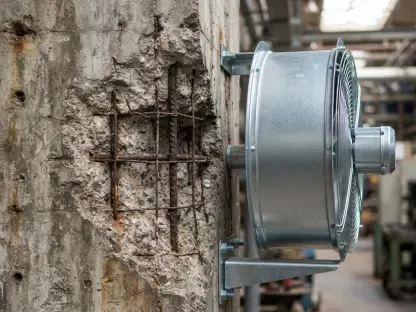
The introduction of substandard coal into the Lakvijaya system has caused documented physical trauma to the plant’s sophisticated internal components. High-quality thermal coal is processed through pulverizing mills before being blown into the boiler, but low-grade fuel often contains high concentrations of pyrites and other abrasive minerals. These impurities act like sandpaper, grinding down the internal linings of the mills and transport pipes at an accelerated rate. This mechanical stress leads to frequent emergency shutdowns, as components that should last for years are failing within months. The audit highlighted specific instances where the use of unrefined fuel caused significant blockages and fires in the coal processing units.
Furthermore, the chemical composition of the inferior fuel introduces a host of secondary problems, such as ash fouling and slagging on the boiler tubes. When coal with high ash content is burned, the residue coats the heat exchange surfaces, insulating them and preventing the efficient transfer of energy to the water and steam. This requires the plant operators to push the system harder, increasing temperatures to dangerous levels just to maintain the required output. The cumulative effect of these technical obstacles is a shortened lifespan for the entire facility, effectively devaluing a multi-billion-dollar national asset through improper fuel management.
Strategies for Mitigating Thermodynamic Inefficiency and Mill Hazards
To combat the rising tide of operational failures, plant engineers have been forced to adopt increasingly desperate mitigation strategies. These include the frequent use of auxiliary oil burners to stabilize the combustion of low-quality coal, a practice that is both expensive and environmentally damaging. Additionally, the maintenance teams have increased the frequency of “hot cleanings,” where the system is partially shut down to remove clogs and mineral deposits. While these measures may prevent a total blackout in the short term, they do nothing to address the root cause of the inefficiency and actually contribute to the long-term fatigue of the plant’s structural components.
Operational teams are also grappling with the increased risk of spontaneous combustion in the coal storage yards, a common hazard when dealing with high-moisture, low-grade shipments. These fires not only pose a safety risk to personnel but also result in the loss of fuel before it even reaches the boilers. The mitigation of these hazards requires constant monitoring and the redirection of staff from regular maintenance duties to emergency firefighting and hazard containment. The shift from proactive maintenance to reactive crisis management is a clear indicator that the technical integrity of the facility is being sacrificed to accommodate a broken procurement system.
The Regulatory Landscape and Governance Lapses in Procurement
Evaluating Compliance Deficiencies and the Staffing Crisis at Lanka Coal Company
A primary driver of the current procurement crisis is the profound administrative vacuum within the Lanka Coal Company itself. The audit uncovered a staggering vacancy rate, with nearly half of the authorized staff positions remaining unfilled, including critical roles in legal, accounting, and procurement departments. This staffing crisis has led to a breakdown in internal controls, where major contracts are reviewed by “acting” officials who may lack the authority or the expertise to challenge irregular terms. Without a full complement of qualified professionals, the company has become a “hollowed-out” institution, capable of processing paperwork but unable to perform the rigorous due diligence required for international energy deals.
This lack of institutional depth has manifested in a series of compliance deficiencies that have allowed unqualified suppliers to enter the market. The company’s failure to maintain up-to-date financial records and annual reports has essentially shielded its operations from public and parliamentary oversight. In contrast to the transparent standards expected of a state-owned enterprise, the procurement process has become opaque, with major decisions often made under the guise of “emergency” requirements to bypass standard bidding protocols. The regulatory landscape, which was intended to protect the state, has instead been manipulated to facilitate convenience over compliance.
The Role of Investigative Bodies in Identifying Supplier Eligibility Scandals
The role of investigative bodies, such as the Committee on Public Enterprises and the National Audit Office, has become crucial in exposing the depth of supplier eligibility scandals. These investigations have revealed that several companies awarded multi-million-dollar contracts had not even completed the basic registration requirements at the time of their selection. In one particularly egregious case, a supplier with a documented history of delivering fuel far below the required calorific value was still deemed eligible for a long-term contract. These findings suggest that the criteria for participation were intentionally relaxed to accommodate specific interests, rather than to ensure the best outcome for the national grid.
The scandals also involve the use of unlicensed or unaccredited quality inspectors at loading ports. By allowing suppliers to choose their own inspectors, the Lanka Coal Company effectively surrendered its primary defense against substandard fuel. These investigative bodies found that reports from several shipments were issued by laboratories whose licenses had already been revoked by international accreditation agencies. This breakdown in the verification chain meant that by the time the coal arrived at the Norochcholai anchorage, the state was already contractually obligated to pay for fuel that it knew would damage its infrastructure.
Future Horizons for Energy Security and Systemic Reform
Technological Innovations in Fuel Quality Monitoring and Real-Time Data Integration
Moving toward a more secure energy future requires the integration of advanced technological solutions that can bypass the vulnerabilities of human error and administrative corruption. One potential pathway is the implementation of real-time, automated fuel quality monitoring systems that provide immediate feedback to grid controllers. By using infrared spectroscopy and automated sampling at the point of discharge, the plant can gain an accurate profile of the fuel’s chemical composition before it enters the storage bins. This data can then be integrated into a central management system, allowing for the automatic adjustment of boiler parameters to compensate for variations in fuel quality, thereby protecting the machinery from unexpected stress.
Moreover, the adoption of blockchain-based logistics tracking could revolutionize the transparency of the coal supply chain. Such a system would create an unalterable record of a shipment’s journey, from the mine of origin to the loading port and finally to the Norochcholai jetty. This would ensure that certificates of quality and origin cannot be tampered with or fabricated by intermediaries. By leveraging these digital innovations, the state can restore a level of trust in the procurement process that has been missing for years, ensuring that the fuel paid for by the public is the same fuel that eventually powers the national grid.
Transitioning from Reactive Crisis Management to Strategic Logistics Alignment
The ultimate goal for systemic reform must be the transition from a culture of reactive crisis management to one of strategic, long-term logistics alignment. This involves synchronizing coal arrivals with the specific weather windows provided by the monsoon cycles in the Puttalam region. Historically, failures to secure shipments during the calm sea months have forced the country into the predatory “spot market” during turbulent weather, where prices are higher and quality is lower. A reformed procurement strategy would prioritize the building of strategic reserves during favorable conditions, providing a buffer that allows the state to walk away from unfavorable deals without risking a blackout.
Furthermore, this alignment requires a fundamental shift in the relationship between the Lanka Coal Company and international producers. Instead of relying on a revolving door of middlemen, the state should seek to establish direct, long-term partnerships with reputable mining entities. These relationships, built on mutual technical understanding and consistent quality standards, would provide the stability that the national grid currently lacks. This shift toward strategic alignment is not just a logistical necessity; it is a prerequisite for any meaningful reform of the energy sector that aims to protect the consumer from the costs of administrative failure.
Summary of Audit Findings and Strategic Recommendations
Final Viewpoint on Restoring Integrity to State-Owned Energy Procurement
The investigation into the Sri Lankan coal procurement sector revealed a landscape where the fundamental principles of governance were systematically ignored in favor of short-term expedience. The findings demonstrated that the financial losses incurred were not the result of unavoidable market forces, but rather the direct consequence of administrative negligence, a lack of qualified personnel, and a failure to enforce technical standards. The evidence showed that the use of substandard fuel had a direct, measurable impact on the physical health of the Lakvijaya Power Plant and the financial stability of the national energy provider. It was clear that the existing procurement model had become a liability to the state, requiring a total overhaul of its internal structures.
Restoring integrity to this sector necessitated a move away from the opacity that allowed unqualified suppliers to dominate the market. The audit suggested that transparency must be embedded into every step of the process, from the initial bidding notice to the final quality verification at the power plant. This included the mandatory use of accredited, third-party inspectors and the strict enforcement of penalty clauses for any deviations in fuel quality. By re-establishing these boundaries, the government took the first steps toward ensuring that state-owned enterprises functioned as protectors of public assets rather than conduits for systemic inefficiency.
Essential Pathways for Protecting Consumers and National Infrastructure Investment
The path forward for protecting the national interest involved a series of actionable steps centered on professionalization and technical rigor. One of the most critical recommendations was the immediate filling of all technical and legal vacancies within the Lanka Coal Company with experts who were insulated from political interference. This move was designed to ensure that every contract was scrutinized for its long-term impact on the national grid. Additionally, the audit recommended that the government adopt a “quality-first” procurement policy, where the technical suitability of the fuel was given equal weight to its price, recognizing that cheap coal often turned out to be the most expensive option in the long run.
Ultimately, the goal of these reforms was to insulate the Sri Lankan consumer from the volatility and corruption that had plagued the energy sector. By stabilizing the fuel supply and protecting the technical integrity of the Lakvijaya Power Plant, the state was able to provide a more reliable and cost-effective electricity supply. These pathways represented a shift toward a more mature energy policy, one that valued the preservation of national infrastructure as much as the immediate demands of the budget. The lessons learned from the procurement scandal served as a foundation for a more resilient and accountable energy future for the country.