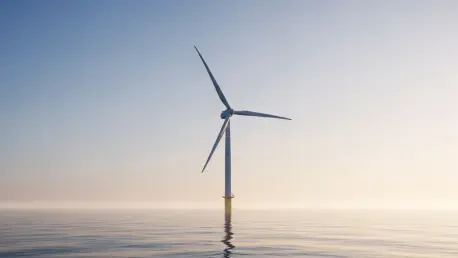

The massive steel foundations rising from the depths of the Atlantic Ocean signify more than just a change in the coastal horizon; they represent a hard-won victory for an industry that nearly collapsed under the weight of litigation and rising costs. For several years, the promise of offshore wind in the United States remained locked behind a dense wall of regulatory hurdles and legal challenges that threatened to derail the national energy transition before it truly began. However, a series of recent developments has fundamentally altered this landscape, turning a region once defined by canceled contracts and frozen leases into a hive of industrial activity. This resurgence is not merely a matter of improved economics but is the result of a coordinated shift in federal strategy and a string of decisive court rulings that have provided the necessary clarity for multi-billion-dollar investments to proceed. As construction crews return to work on massive projects from Massachusetts to Virginia, the offshore wind sector is finally finding its footing in American waters.
Proving Technical Viability and Grid Reliability
Success Stories: Operational Milestones in the Atlantic
Tangible evidence of this industry rebound is now visible as several flagship projects transition from the planning stages to active power generation for the regional electrical grids. Projects like Revolution Wind and the massive Coastal Virginia Offshore Wind initiative have successfully integrated their initial turbine arrays into the grid, proving that the technical challenges of the American coastline can be overcome. These milestones are critical because they move the conversation away from speculative modeling and into the realm of verifiable performance data that utilities and regulators can rely upon. Each megawatt-hour delivered to the shore acts as a practical demonstration of the equipment’s durability in harsh maritime environments, silencing critics who argued that the technology was not yet ready for the unique conditions of the Atlantic. The successful commissioning of these early phases provides a blueprint for future developers to follow, reducing the perceived risk for subsequent projects.
Performance Under Pressure: Reliability in Extreme Weather
The reliability of these newer installations was put to a definitive test during the extreme conditions brought about by Winter Storm Fern, which saw temperatures plummet across New England. While traditional gas-fired power plants and some renewable sources struggled with equipment freezing or fuel supply constraints, the Vineyard Wind project maintained a remarkably consistent level of production throughout the event. This performance during a period of peak demand highlighted the unique value of offshore wind as a “stress-event” resource that can provide power when the grid is most vulnerable. The high wind speeds associated with winter storms, which often force other systems into emergency modes, actually allow these massive turbines to operate at their highest efficiency levels. This resilience has fundamentally shifted the political and economic narrative, moving offshore wind from being viewed as a seasonal supplement to being recognized as a dependable pillar of regional energy security.
The Legislative Drive for Long-Term Stability
Bipartisan Reforms: Creating a Streamlined Regulatory Path
In the halls of Congress, the recent resolution of various legal delays has reignited a focused bipartisan effort to enact systemic permitting reforms that would benefit the entire energy sector. Senator Sheldon Whitehouse and his colleagues have utilized the momentum from successful offshore wind projects to restart negotiations aimed at streamlining federal environmental reviews. The goal of this legislative push is to reduce the “permitting friction” that currently forces developers to wait years for final approvals, often causing project costs to balloon due to inflation and supply chain changes. By creating a more efficient process, lawmakers hope to ensure that both renewable and traditional energy infrastructure can be built at a pace that matches the growing demand for electricity. These reforms are being framed not just as a climate initiative, but as a necessary step toward national competitiveness, ensuring that the United States remains a leader in energy production and technological innovation.
Future Strategies: Protecting the Domestic Supply Chain
The resurgence of American offshore wind was ultimately secured by a combination of decisive legal victories, strategic federal policy shifts, and the proven resilience of operational hardware during severe weather events. To maintain this trajectory, stakeholders focused on establishing a stability mechanism that shielded established permits from the inherent volatility of changing political administrations. This approach provided the long-term certainty needed to incentivize domestic manufacturing of turbine components and the construction of specialized transport vessels. By anchoring projects in a more rigid legal framework, the sector moved toward a high-volume industrial model that prioritized regional self-sufficiency and grid modernization. These actions laid the groundwork for a more robust integration of offshore resources into the national energy strategy, ensuring that the industry could scale effectively from 2026 to 2030. Through these strategic next steps, the United States successfully transformed a struggling frontier into a reliable source of power.