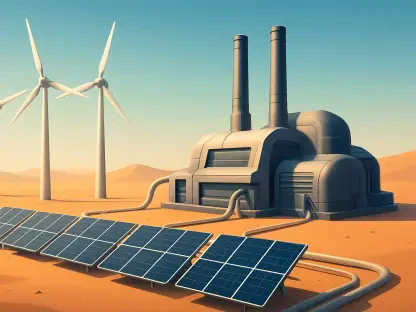

The vast deserts of the Arabian Peninsula are no longer merely reservoirs for fossil fuels but have transformed into massive collectors for high-intensity solar radiation that powers a new generation of electric vehicles. This shift represents a fundamental realignment of the energy landscape, moving away from a century of oil-dominated transport toward a sophisticated, electrified ecosystem. As global sales of electric cars surged past 17 million units annually by the close of 2024, the Gulf Cooperation Council region recognized that the transition required more than just consumer interest; it demanded a total synchronization of power generation and mobility infrastructure. The primary focus has evolved from a simple desire to adopt clean energy to the practical, large-scale construction of systems that treat every vehicle as a mobile node in a smart power grid. This integration allows the region to leverage its natural sunlight to significantly lower operational costs while simultaneously reducing the carbon footprint of its vast national and international transport networks.
The strategic linking of solar energy and electric mobility is a logical progression for nations possessing some of the highest solar irradiance levels in the world. By viewing electric vehicles as more than just machines for transit, regional planners are creating a system where the car serves as a decentralized battery for the entire city. This vision moves the transport sector beyond being a mere consumer of electricity and turns it into an active participant in grid management. When millions of vehicles are connected to a unified system, they provide a buffer that can absorb excess power during peak sunlight hours and provide stability to the utility network. This transition is not just a technological upgrade but a complete reimagining of how energy is harvested, distributed, and utilized in a modern economy. The ongoing efforts signify a move toward a resilient energy future that combines domestic industrial strength with the latest advancements in automotive technology.
Strategic Investments and Regional Energy Transformations
Investment in the clean energy sector has reached unprecedented levels within the Gulf region, with over $42 billion committed to various renewable projects that are currently reshaping the industrial landscape. This massive capital injection is not merely for show; it serves as the backbone for an electrified transportation network that aims to bypass the traditional pitfalls of older, fossil-fuel-reliant grids. Unlike established Western economies that must grapple with the expensive and time-consuming process of retrofitting century-old electrical infrastructure, many Gulf nations are building their systems from the ground up. This “greenfield” advantage allows for the seamless integration of high-capacity charging stations, smart meters, and solar farms from the initial design phase. Consequently, the region is uniquely positioned to implement an integrated energy-transport ecosystem that is more efficient and reliable than those found in many other parts of the world.
The rapid growth in battery sizes, driven by the consumer preference for large sport utility vehicles and the necessity for long driving ranges, has placed an increased strain on national power grids globally. To address this, Gulf countries are prioritizing the development of localized power solutions that prevent local outages while meeting the energy demands of a growing electric fleet. By 2026, the focus has shifted toward balancing the supply of renewable energy with the specific timing of vehicle charging to ensure that the grid remains stable even during peak demand periods. This proactive approach involves the use of advanced data analytics to predict energy usage patterns and adjust power distribution in real-time. By aligning the expansion of solar capacity with the rollout of electric vehicle infrastructure, the region ensures that every new car on the road is supported by a corresponding increase in sustainable power generation, maintaining a healthy equilibrium between production and consumption.
Harnessing Idle Time for Grid Stability
A critical but often overlooked aspect of the transition to electric mobility is the fact that most vehicles remain parked for approximately 95 percent of their operating life. This vast amount of idle time represents a significant opportunity for energy management, as parked cars can act as temporary storage units for excess solar power generated during the day. By incentivizing drivers to charge their vehicles at specific times when solar production is at its peak, regional authorities can effectively use these automotive batteries to stabilize the power grid. This synchronization prevents the wastage of clean energy that would otherwise go unused when the sun is brightest but demand is low. Instead of seeing a massive influx of cars as a potential burden on the utility provider, this strategy transforms the regional fleet into a valuable energy asset that enhances the overall reliability of the system.
Achieving this level of synchronization involves three distinct but complementary methods of integration that cater to different urban and rural needs. The first method involves the installation of solar panels directly on residential rooftops and carports, allowing individuals to power their commutes with energy harvested from their own homes. The second approach focuses on community-scale microgrids, which distribute solar power across neighborhoods to ensure that charging remains local and efficient. Finally, digital matching systems are being deployed to link electric vehicle charging with remote, large-scale solar farms through virtual power purchase agreements. These models collectively ensure that the electricity used for transport is truly carbon-neutral and does not place an unnecessary strain on central power plants. This multifaceted strategy provides the flexibility needed to support a diverse range of vehicle types and driving habits while maintaining a core commitment to sustainability.
Integration Strategies for Residential and Commercial Hubs
Workplaces and residential complexes serve as the primary locations for early integration between solar power and electric vehicles because of the predictable nature of parking patterns. Since the majority of office-based employees leave their vehicles parked during the sunniest hours of the day, workplace chargers can draw power directly from solar-equipped carports. This direct consumption model is highly efficient because it reduces the need for expensive, stationary battery storage systems that would otherwise be required to save energy for later use. By utilizing energy at the point of production, commercial buildings can significantly lower their electricity bills and reduce their carbon footprint without requiring massive grid upgrades. This approach also provides an added benefit to employees, who can enjoy the convenience of charging their vehicles while they work, ensuring they have a full battery for their evening commute.
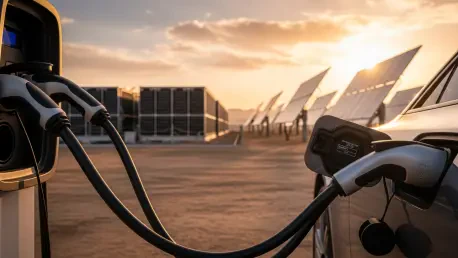
For long-distance travel and the operation of heavy commercial fleets, high-speed charging hubs are being strategically developed along major highway corridors to ensure continuous mobility. These hubs often combine extensive solar arrays with large-scale battery storage to provide the high-voltage power required for fast charging without needing to draw exclusively from the local electrical grid. This setup is particularly important in remote desert areas where expanding traditional power lines can be prohibitively expensive and technically challenging. By creating self-sustaining charging “oases,” the region can support the transition of logistics and freight industries to electric platforms, which is essential for reducing the total environmental impact of the transport sector. These highway hubs serve as a testament to the region’s ability to innovate under challenging geographic conditions, providing a blueprint for solar-integrated transport that can be exported to other sunny climates around the world.
Navigating Regulatory and Cybersecurity Frameworks
The economic and environmental benefits of solar-integrated mobility are clear, yet the full realization of this vision requires the implementation of robust modern regulations and smart grid technologies. Governments in the region have been working to establish clear rules that allow electric vehicle owners to sell excess power back to utility companies through vehicle-to-grid (V2G) systems. These regulations are necessary to define the financial incentives for consumers and to ensure that the process of bi-directional energy flow is safe and standardized across different cities. Without a clear legal framework, the technical potential of using cars as grid batteries would remain largely untapped. Therefore, the development of comprehensive net-metering policies and energy-trading platforms has become a top priority for regional policymakers who are eager to foster a competitive and transparent energy market.
Technical standardization and cybersecurity have also emerged as vital components of a reliable and connected mobility system in the digital age. As vehicles become increasingly integrated with the internet of things (IoT), they become potential targets for digital interference that could affect both the car and the power grid. Ensuring that different brands of vehicles, charging hardware, and utility software can communicate securely is an essential step toward building public trust in the new infrastructure. Regional authorities have focused on creating unified communication protocols that protect data privacy while allowing for the seamless exchange of information needed for smart charging. This focus on security ensures that the transition to clean mobility does not introduce new vulnerabilities into the national infrastructure. By prioritizing these digital safeguards, the region is building a resilient foundation that can withstand the complexities of an increasingly interconnected and electrified world.
Future Proofing Mobility Through Technical Standardization
The successful synchronization of energy and transport sectors required a move beyond theoretical discussions to the implementation of practical, regional standards. Stakeholders across the GCC collaborated to finalize a unified framework for charging protocols, ensuring that a driver could travel from one nation to another without encountering incompatible hardware or software. This standardization effort reduced the risk for private investors, as it guaranteed that the infrastructure built today would remain compatible with the vehicles of the next decade. By focusing on interoperability, the region effectively lowered the barrier to entry for international automotive manufacturers and technology providers. This collective action simplified the user experience and accelerated the adoption of electric vehicles among the general public, who previously expressed concerns about the availability and ease of use of charging networks.
Regional leadership finalized the transition by transforming electric vehicles from potential liabilities into high-value energy assets that supported the stability of the entire utility network. The “energy trilemma” of security, affordability, and sustainability was addressed by leveraging the inherent strengths of the Gulf’s climate and its modern urban planning capabilities. As the infrastructure matured, the region solidified its position as a global center for clean mobility innovation, proving that a rapid shift away from oil was not only possible but also economically advantageous. The integration of solar power with electric transport moved from being a specialized pilot project to a standard feature of the regional economy. This shift ensured that the transport networks of the future remained clean, efficient, and resilient, providing a clear path forward for other regions looking to modernize their energy and mobility systems.