
The global aviation landscape is currently undergoing a transformative shift where environmental stewardship and fiscal solvency have become inextricably linked within corporate boardrooms. This evolution marks a departure from the days when “green” initiatives were largely performative or relegated to the periphery of annual reports, as the industry now faces a dual challenge of skyrocketing energy costs and uncompromising regulatory pressure. Sustainable aviation fuel, or SAF, has emerged as the most critical pillar in this new era, moving from a niche experiment to a strategic necessity that determines whether an airline can maintain its market position or even its right to operate. While the transition involves complex technical hurdles, the focus has shifted toward securing long-term energy independence in a world where fossil fuel reliance is becoming a liability. Executives are no longer debating if they should integrate these alternative fuels, but rather how quickly they can secure limited supplies to protect their fleets from the volatility of traditional oil markets. This urgency is driven by a realization that the traditional jet fuel model is susceptible to geopolitical shocks that can render business plans obsolete overnight.
Addressing Global Fuel Price Instability and Economic Risk
For decades, the aviation sector remained tethered to the unpredictable fluctuations of the global crude oil market, where a single geopolitical event in a major producing region could erase an entire year of profits. This vulnerability has historically forced airlines into aggressive fuel hedging strategies that often provide only temporary relief against long-term price inflation. In the current 2026 market, the adoption of sustainable aviation fuel provides a pathway toward decoupling the industry’s operational costs from the whims of traditional oil-producing cartels. By cultivating a supply chain rooted in diverse feedstocks like agricultural residues and municipal waste, the industry can create a more localized and stable energy foundation. This transition serves as a financial buffer, allowing carriers to forecast their expenditures with greater accuracy while insulating their passengers from the sudden ticket price spikes that occur when petroleum prices surge unexpectedly.
The pursuit of energy resilience is not merely about finding a cheaper alternative, but about building a business model that can withstand the systemic shocks of the modern era. When an airline invests in SAF production capacity, it is essentially purchasing insurance against the inevitable depletion of easily accessible oil reserves and the rising costs of carbon emissions. The diversification of fuel sources allows the industry to leverage regional strengths, such as utilizing corn stover in North America or forest residues in Scandinavia, which reduces the reliance on a few concentrated supply routes. This geographic spread of production significantly lowers the risk of large-scale disruptions, ensuring that flight operations remain consistent even when traditional energy corridors are compromised. Consequently, the shift toward these alternative liquids is being viewed by investors as a hallmark of a well-managed, future-proofed enterprise that prioritizes long-term stability over short-term savings.
Complying With Stringent International Carbon Mandates
The legal environment surrounding aviation emissions has tightened significantly, moving from voluntary carbon offsetting programs to mandatory reduction targets that carry heavy financial penalties. Frameworks like the Carbon Offsetting and Reduction Scheme for International Aviation, known as CORSIA, have moved into more aggressive phases where airlines must account for every ton of carbon produced on international routes. Compliance is no longer a matter of corporate social responsibility; it is a fundamental requirement for maintaining the permits necessary to fly across international borders. As governments worldwide align their domestic policies with international climate goals, airlines that fail to integrate SAF into their fuel mix face the prospect of escalating carbon taxes and restricted access to key markets. These mandates are designed to create a predictable demand signal for fuel producers, ensuring that the transition to cleaner energy remains a permanent fixture of the global aviation strategy.
In Europe and parts of Asia, regional regulations have gone even further by introducing specific blending mandates that require a minimum percentage of SAF to be present in the fuel tanks of every departing aircraft. These requirements are set to increase annually, creating a competitive environment where securing a reliable source of sustainable fuel is a matter of operational survival. For carriers operating in these jurisdictions, the inability to meet these quotas could result in grounded fleets or exorbitant fines that far outweigh the cost of the fuel itself. This regulatory pressure is also influencing the behavior of airport authorities, who are increasingly prioritizing airlines with lower carbon footprints for prime gate assignments and landing slots. By aligning their operations with these stringent legal frameworks, airlines are not only avoiding penalties but are also positioning themselves as preferred partners in the global transport network, ensuring their continued relevance in an increasingly regulated world.
Evaluating the Physical Constraints of Alternative Propulsion
While the promise of electric and hydrogen-powered aircraft continues to capture the imagination of the public, the physical realities of energy density and weight remain significant barriers to their widespread adoption. Current battery technology is insufficient for the long-haul missions that form the backbone of global commerce, as the weight required to carry enough energy for a transoceanic flight would leave little room for passengers or cargo. Similarly, hydrogen propulsion requires a complete redesign of aircraft airframes to accommodate large, pressurized tanks, as well as a massive overhaul of airport fueling infrastructure that is currently built for liquid hydrocarbons. For the large-capacity jets that connect continents, liquid fuels remain the only viable option for the foreseeable future because they provide the concentrated energy necessary to lift heavy loads across thousands of miles. This technological reality reinforces the importance of SAF as the primary solution for decarbonizing the hardest-to-abate segments of the industry.
Because sustainable aviation fuel is chemically nearly identical to conventional Jet A-1 fuel, it offers a “drop-in” solution that requires zero modifications to existing aircraft engines or airport storage systems. This compatibility is vital for an industry that operates fleets with lifespans measured in decades, allowing airlines to reduce their environmental impact immediately without waiting for the next generation of aircraft technology. The ability to mix SAF with traditional fuel in the same tanks and pipelines ensures that the transition can happen incrementally, scaling up as production capacity grows. This minimizes the risk of stranded assets and avoids the multi-billion-dollar costs associated with replacing entire fleets of functional aircraft. By focusing on a fuel that works with the equipment already in service, the aviation sector can make meaningful progress toward its climate goals while maintaining the safety and reliability that define modern air travel.
Diversifying Feedstocks to Resolve Supply Chain Bottlenecks
One of the most pressing challenges facing the industry is the limited availability of the first-generation feedstocks that currently dominate SAF production, such as used cooking oils and animal fats. While these materials are effective for producing high-quality fuel, their supply is finite and subject to intense competition from the renewable diesel market used by heavy trucking. To achieve the volumes necessary to power the global fleet, the industry must pivot toward second and third-generation feedstocks that are more abundant and do not compete with food supplies. This includes the utilization of municipal solid waste, which can be converted into synthetic gas and then into liquid fuel, effectively turning a societal problem into a valuable energy resource. By expanding the definition of what can become jet fuel, the aviation sector can unlock massive reserves of energy that were previously overlooked or discarded.
Beyond organic waste, the development of e-fuels or power-to-liquid technology represents the next frontier in sustainable energy for aviation. These synthetic fuels are produced by combining captured carbon dioxide with hydrogen derived from water through electrolysis powered by renewable electricity. While the current cost of production remains high, the scalability of e-fuels is theoretically limitless, as they do not rely on the availability of biological materials. Investment in these advanced technologies is accelerating as producers seek to move away from the constraints of traditional biomass. The transition to these more diverse and scalable sources is essential for breaking the supply bottleneck that has kept SAF prices significantly higher than conventional jet fuel. As these technologies mature and achieve economies of scale, the cost of sustainable fuel is expected to stabilize, making it a more attractive and competitive option for airlines of all sizes.
Breaking the Financial Stalemate Through Policy Incentives
The growth of the SAF market has long been hindered by a classic “chicken-and-egg” scenario where producers are hesitant to build expensive refineries without guaranteed buyers, and airlines are reluctant to commit to long-term contracts for expensive, unproven supplies. This investment stalemate has slowed the deployment of the capital necessary to bring large-scale production online, leaving the industry with a shortage of available fuel. However, the introduction of targeted government policies, such as production tax credits and low-interest loan guarantees, is beginning to tilt the scales in favor of development. These incentives reduce the financial risk for private equity and institutional investors, allowing them to fund the construction of new facilities with greater confidence. By lowering the cost of entry for fuel producers, governments are helping to create a competitive market that will eventually drive down prices for the entire aviation sector.
Public-private partnerships are also playing a crucial role in bridging the funding gap by sharing the risks and rewards of new technology deployment. Many governments now recognize that a stable and sustainable aviation sector is vital for national economic security and are therefore willing to provide the necessary support to jumpstart the industry. This support often takes the form of long-term offtake agreements or price floors that protect producers from sudden market crashes, ensuring that they can remain solvent during the early stages of production. For airlines, these policies provide a more predictable path toward meeting their carbon reduction goals without sacrificing their financial health. The synergy between government intervention and private sector innovation is creating a robust framework for growth, turning the theoretical potential of sustainable fuel into a tangible industrial reality that supports thousands of jobs and strengthens the global energy infrastructure.
Developing a Resilient Global Fuel Logistics Network
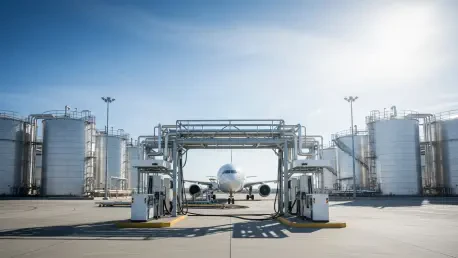
The successful integration of sustainable aviation fuel depends not only on production but also on the creation of a sophisticated global logistics network that can deliver the fuel where it is needed most. Currently, the supply of SAF is concentrated in a handful of major hubs, which creates a fragmented market where some airlines have easy access while others are left with few options. Expanding the infrastructure for blending and storing these fuels at airports around the world is a massive undertaking that requires coordination between fuel suppliers, airport authorities, and pipeline operators. This logistics challenge involves ensuring that the fuel meets rigorous safety standards and remains free of contaminants throughout the entire distribution process. As more airports install the necessary equipment to handle SAF, the “green corridor” network will expand, making it easier for long-haul flights to refuel with sustainable options at both ends of their journey.
This shift in infrastructure is also likely to reshape the traditional centers of energy power, as new production hubs emerge in regions with abundant renewable energy or biomass resources. Countries that were previously dependent on energy imports may find themselves becoming major exporters of sustainable fuel, leading to a more decentralized and resilient global energy map. This decentralization reduces the risk of supply chain disruptions caused by localized political instability or natural disasters, as there will be a greater number of production sites distributed across the globe. For the aviation industry, this means a more reliable and diversified fuel supply that is less prone to the “single point of failure” risks associated with traditional oil production. The development of this global network is a critical step in ensuring that the transition to sustainable fuel is equitable and accessible to airlines in all regions, regardless of their proximity to traditional oil fields.
Implementing Long-Term Strategies for Operational Continuity
The aviation industry successfully navigated the initial complexities of the energy transition by prioritizing strategic partnerships and technological adaptability over short-term financial gains. This shift required a fundamental change in how airlines viewed their relationship with energy, moving away from a transactional model toward one based on long-term collaboration with fuel producers and technology developers. The sector recognized that the status quo of fossil fuel reliance was no longer a viable path for survival in a world characterized by increasing environmental scrutiny and economic volatility. By securing diverse feedstock supplies and investing in the infrastructure necessary to support “drop-in” solutions, the industry built a foundation that allowed for continued growth while significantly reducing its carbon intensity. This proactive approach ensured that air travel remained a central component of global connectivity, even as the world transitioned toward a low-carbon economy.
Lessons learned from the early phases of SAF adoption highlighted the importance of clear regulatory signals and robust financial incentives in driving industrial-scale change. The industry shifted its focus toward the next generation of e-fuels and advanced waste-to-fuel technologies, which provided the scalability needed to meet global demand. This transition was characterized by a period of intense innovation where the boundaries of chemical engineering were pushed to create more efficient and cost-effective energy carriers. The result was a more resilient and decentralized aviation network that was better equipped to handle the challenges of a rapidly changing world. By the time the transition became standard practice, the industry had already moved beyond the initial hurdles of supply and cost, establishing a new baseline for operational excellence. This strategic foresight protected the industry from obsolescence and paved the way for a future where global flight and environmental preservation were no longer at odds.