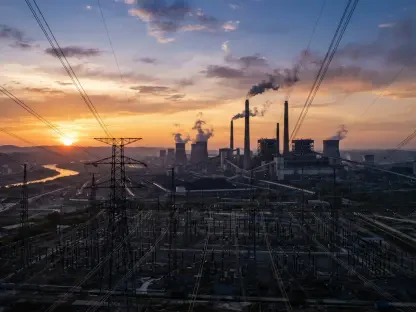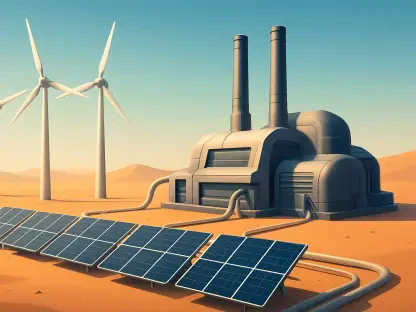

The European Commission has officially initiated a comprehensive strategic framework designed to fundamentally redesign the continent’s energy architecture and establish the first fully integrated “electro-continent” by 2040. This monumental shift represents far more than a simple environmental policy; it is a calculated effort to ensure energy sovereignty and economic resilience through the widespread adoption of electricity-based technologies across heavy industry, transportation, and residential infrastructure. By moving decisively away from a historical dependence on fossil fuels, the European Union seeks to align its industrial strategies with rigorous climate targets while shielding its internal market from the inherent volatility of global energy markets. This transition is expected to create a self-sustaining ecosystem where domestic energy production and consumption are perfectly synchronized. It addresses the urgent need for a cohesive response to geopolitical tensions that have previously threatened the bloc’s stability and provides a clear roadmap for long-term growth.
Strategic Growth and Economic Sovereignty
Ambitious Targets: Reshaping the Energy Landscape
The central pillar of this ambitious strategy focuses on a massive expansion of electricity’s share in the total energy mix, aiming to double its current presence from 23% to 46% by the year 2040. Achieving such a significant quantitative benchmark is projected to drastically reduce the European Union’s reliance on external energy suppliers, which has long been a source of economic and political vulnerability. By successfully implementing this shift, the bloc expects to decrease its annual expenditures on fossil fuel imports by approximately €260 billion starting from the current cycle and extending through 2030 and beyond. This reduction in capital outflow is not merely a cost-saving measure but a strategic pivot that allows for the massive injection of funds into localized infrastructure projects. Such a transformation ensures that the wealth generated within the Union remains there, fueling a virtuous cycle of investment that prioritizes sustainable development over the temporary relief of imported fossil fuels.
Beyond the macro-level economic shifts, the plan emphasizes direct benefits for citizens and industrial competitiveness to ensure broad social acceptance and global leadership. Adopting battery-electric vehicles can slash a driver’s operating costs by nearly 80%, while replacing traditional boilers with high-efficiency heat pumps can cut household heating bills by up to 60%. These microeconomic benefits are intended to provide social relief and drive innovation, ensuring that European businesses remain competitive in the global race for clean-tech dominance. By leading the charge in electrification, the Union can secure a dominant position in markets for battery storage and smart grid software. This proactive stance is intended to prevent the loss of industrial leadership to global competitors who are also investing heavily in the green transition. Furthermore, the integration of digital tools with electrical systems allows for smarter energy management within factories, significantly increasing production efficiency across all member states.
Systemic Reform: Overcoming Barriers to Electrification
Navigating the path to a fully electrified continent requires dismantling significant systemic hurdles, most notably the current price disparity where electricity often costs three times as much as natural gas. The action plan addresses these barriers by empowering member states to restructure energy taxation and reduce network fees for energy-intensive industries that commit to the transition. By shifting the tax burden away from electricity and toward carbon-intensive fuels, the policy creates a more level playing field that accurately reflects the environmental and social costs of energy use. This regulatory reform is essential for encouraging heavy industry to swap out legacy processes for electric alternatives like green hydrogen and electric arc furnaces. Furthermore, the strategy targets infrastructure constraints and the “commercialization gap” to ensure that clean technologies can move from demonstration phases to large-scale market availability. Without these systemic changes, the technical feasibility of electrification would be undermined.
The final component of the strategy modernized distribution networks through a dedicated “grids package” while fostering a skilled labor force to support a decentralized energy system. This shift created hundreds of thousands of high-quality jobs in renewable installation and grid management, supported by training initiatives and financial mechanisms like the Social Climate Fund. By integrating physical upgrades with social equity, the European Union positioned itself as a global leader in the sustainable, electro-powered era. Leaders recognized that the transition required more than just policy documents; it demanded a continuous commitment to innovation and international cooperation. Policymakers emphasized that the focus remained on the rigorous monitoring of progress and the flexibility to adapt to emerging technologies. This proactive stance ensured that the continent was prepared for the challenges of a low-carbon future, setting a new standard for energy autonomy and economic resilience for decades.