
Mexico is currently undergoing a transformative shift in its energy landscape as the government moves to dismantle the long-standing institutional bottlenecks that have historically stifled the growth of the renewable gas sector. While overarching legislation favoring clean energy has existed for several years, the lack of granular technical standards made it practically impossible for producers to inject biomethane into the national grid. Today, the Ministry of Energy is finally bridging this gap by releasing comprehensive regulatory frameworks that provide the technical certainty required for large-scale investment. This move signals a transition from small, isolated pilot projects toward a cohesive national market where organic waste is no longer a liability but a high-value energy asset. By establishing these rules, Mexico is positioning itself to capitalize on its vast agricultural and municipal waste resources, providing a clear pathway for private developers to transition into commercial operations that support the country’s decarbonization goals.
Strengthening the Regulatory Spine through Traceability
Documenting the Lifecycle and Market Value of Renewable Gas
The newly implemented framework places a rigorous emphasis on the concept of traceability, creating a digital and physical audit trail for every cubic meter of gas produced. This system ensures that the provenance of the fuel is documented with extreme precision, allowing regulators to verify whether the methane was captured from an agricultural anaerobic digester, a municipal landfill, or a wastewater treatment facility. By recording the specific purification methods used at each site, the Ministry of Energy can provide the granular data necessary for environmental reporting. This level of transparency is not merely a bureaucratic requirement; it serves as a foundational layer of trust for the entire market. For industrial consumers, particularly multinational corporations with stringent sustainability mandates, having a verified certificate of origin is the only way to prove their progress toward international carbon reduction targets. This documentation turns a generic fuel into a specialized, high-value commodity.
Beyond the immediate environmental benefits, this traceability also acts as a bridge between various government agencies, allowing environmental oversight and agricultural waste management to function in tandem. For producers, the ability to officially certify biomethane as a “green” fuel allows them to charge a price premium over traditional fossil natural gas. This higher value is essential for making the expensive infrastructure of waste-to-energy facilities financially viable and attractive to long-term investors. Without these certification protocols, renewable gas would be indistinguishable from fossil-based methane, stripping away the financial incentive to invest in cleaner extraction technologies. The new standards provide a mechanism for quantifying the environmental benefit, effectively internalizing the positive externalities of waste reduction and methane capture. This alignment of ecological and economic goals is expected to accelerate the deployment of high-capacity digesters.
Aligning Multi-Agency Oversight with Economic Growth
Integrating these waste-to-energy projects requires a delicate balance between public policy and private initiative, where agricultural stakeholders play a pivotal role. The Ministry of Energy has collaborated with agricultural departments to identify regional clusters where manure and crop residue can be most effectively harvested for methane production. This strategic mapping ensures that the logistics of waste collection do not become a financial drain on the project’s bottom line. By providing clear guidelines on how agricultural waste should be handled and processed, the government is reducing the operational risk for farmers who want to diversify their income streams. This synergy not only produces clean energy but also addresses the environmental hazards associated with open-air decomposition of organic matter. The result is a more resilient agricultural sector that contributes directly to the national energy supply while simultaneously reducing its own carbon footprint through modern waste management practices.
Furthermore, the establishment of these rules provides a framework for multi-agency cooperation that was previously absent, creating a more efficient permitting environment for new facilities. Environmental regulators can now use the standardized data provided by biomethane plants to monitor methane leakages and ensure that the process remains truly carbon-neutral. This oversight is crucial for maintaining the integrity of the national green gas certificates, which are expected to become a tradable asset in the coming years. By fostering a transparent relationship between the energy, agriculture, and environmental sectors, Mexico is creating a holistic ecosystem that supports sustainable development. This coordinated approach helps to avoid the regulatory overlaps and conflicting mandates that have historically plagued large-scale infrastructure projects. As the system matures, it will likely serve as a blueprint for other emerging economies looking to modernize their waste management and energy sectors simultaneously.
Establishing Technical Benchmarks for Pipeline Safety
Solving Contaminant Dilemmas and Grid Integration Issues
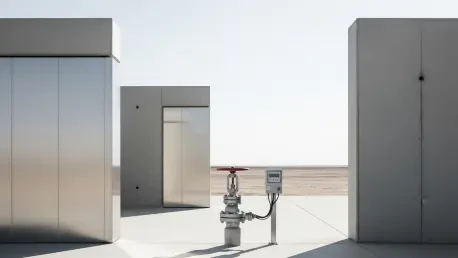
Turning raw biogas into a product that can safely flow through high-pressure national pipelines is a major technical challenge that these new rules aim to solve with absolute clarity. Raw gas often contains contaminants like hydrogen sulfide and carbon dioxide, which can corrode expensive equipment and damage industrial burners if not properly filtered. The upcoming standards will mandate specific purification protocols and filtration benchmarks to ensure that only “pipeline quality” gas enters the distribution network. Beyond cleanliness, the new regulations will focus on high-precision measurement through chromatography to determine the energy content and stability of the gas. This ensures that the blended fuel remains consistent and does not compromise the integrity of the national pipeline system, known as SISTRANGAS. These benchmarks provide a technical blueprint that engineering firms must follow to achieve grid certification for their new production facilities.
Industry experts are currently identifying the most efficient “entry points” for this gas, focusing on intermediate pressure stations where blending renewable fuel with fossil gas is safest for the overall network. By targeting these specific nodes, the grid operator can maintain pressure stability while gradually increasing the percentage of renewable content in the national energy mix. The regulatory framework requires automated shut-off systems that trigger if gas quality deviates from the established norms, preventing low-purity gas from entering the main arteries. This protective measure is vital for maintaining the confidence of industrial users who rely on high-purity fuel for sensitive manufacturing processes. Furthermore, these standards align Mexican grid requirements with international norms, making it easier for global technology providers to supply the necessary equipment. This technical harmonization reduces the engineering risk associated with first-of-their-kind projects in the region.
Scaling Industry Projects for the 2027 Horizon
One of the most significant outcomes of this regulatory shift is making biomethane projects “bankable” for the first time in Mexico’s history. Previously, lenders were reluctant to fund these projects because there were no clear rules on whether a developer’s product would even be accepted by the grid operator. By codifying these technical norms, the Ministry of Energy is providing a template for long-term contracts that serve as the necessary collateral to secure major debt and equity financing. The private sector is already showing signs of readiness, with energy companies planning investments in “last-mile” infrastructure to connect new production plants to existing pipes. Pioneering firms like Brimex Energy are already demonstrating the potential of this market at facilities in Lagos de Moreno, which process hundreds of tons of organic waste daily. Their ability to reach full scale depends on these grid injection protocols, which will allow dozens of other projects to enter the permitting phase by the end of the year.
The transition toward a national biomethane market proved to be a pivotal moment for the country’s energy independence and environmental stewardship. By resolving the institutional bottlenecks that had long hindered the sector, the government enabled a new wave of commercial grid injections that significantly reduced the carbon intensity of the national gas supply. Stakeholders successfully navigated the complexities of technical purification and commercial law, turning waste streams into reliable sources of renewable energy. This coordinated effort between public regulators and private developers established a resilient framework that lowered the cost of capital and encouraged widespread infrastructure investment. Ultimately, the integration of biomethane into the national grid served as a successful model for how emerging economies could modernize their energy systems while simultaneously addressing waste management and climate goals. This progress laid a firm foundation for a more sustainable and decentralized energy future that benefitted both the industrial sector and local communities.