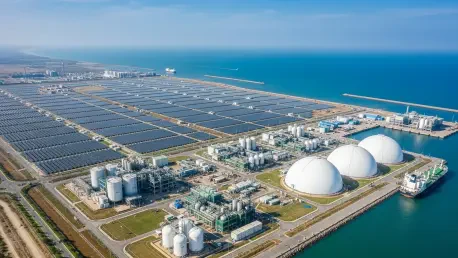

The Transformation of Maritime Logistics Through Sustainable Energy Partnerships
The global maritime industry is standing at a critical crossroads where the demand for zero-emission fuels meets the reality of massive industrial infrastructure. This shift is exemplified by the strategic partnership between L&T Energy GreenTech and ITOCHU Corporation, which established a robust green fuel corridor. By combining Indian production capabilities with Japanese distribution networks, the deal creates a blueprint for international cooperation in decarbonizing hard-to-abate sectors.
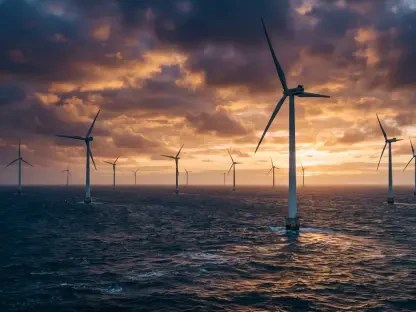
The transition from traditional heavy fuel oils to zero-emission hydrogen derivatives represents a fundamental change in global trade logistics. These collaborative synergies allow for the scaling of renewable energy production while ensuring that supply reaches the world’s most active shipping lanes. Such partnerships are vital for moving beyond carbon-heavy operations and toward a sustainable future.
Driving the Green Ammonia Revolution in Global Trade
Technological Evolution and the Shift Toward Green Bunkering Hubs
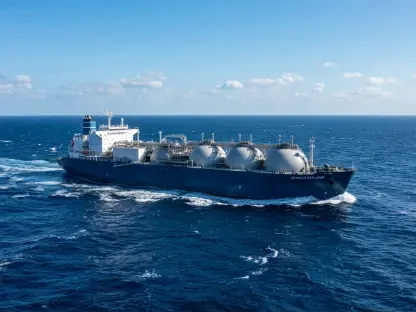
Green ammonia is emerging as the premier high-density energy carrier for long-haul maritime transport because it is easier to handle than liquid hydrogen. Singapore is positioned as the primary bunkering destination for these low-carbon fuels, ensuring that vessels on major trade routes have consistent access. Moving from pilot programs to full-scale commercial take-or-pay agreements signals that the industry is ready for mass adoption.
Market Projections and the Economics of Green Hydrogen Infrastructure
The commitment to supply 300,000 tonnes annually provides the financial stability needed to develop the Kandla export gateway in India. This volume supports fleet modernization as shipping companies increasingly invest in vessels capable of running on renewable energy. Long-term off-take contracts are essential for de-risking the capital expenditure required for massive green hydrogen infrastructure projects.
Navigating the Complexities of Scalable Green Fuel Infrastructure
Scaling this technology requires addressing technical hurdles related to ammonia synthesis and specialized storage. Building safe bunkering logistics remains a high priority for developers who must manage the toxicity and handling requirements of ammonia. International joint development agreements help mitigate supply chain risks by sharing the burden of innovation across different borders.
Policy Frameworks and National Missions Shaping the Green Economy
India’s National Green Hydrogen Mission provided the regulatory tailwinds needed to make this export-oriented facility a reality. These domestic policies align with International Maritime Organization targets for a drastic reduction in greenhouse gas emissions. Government incentives continue to play a vital role in closing the price gap between fossil fuels and green alternatives.
The Future of Decarbonized Shipping and Cross-Border Energy Corridors
Advancements in ammonia-fueled engines are expected to accelerate as more corridors become operational between energy-rich and energy-poor nations. India and Japan are likely to lead this renewable energy trade by optimizing electrolysis efficiency and carbon pricing strategies. Future expansion phases at the Kandla facility will likely integrate broader clean energy systems to lower production costs.
Strengthening the Foundation for a Sustainable Maritime Future
The agreement effectively cemented a new foundation for the global hydrogen economy by linking large-scale production with stable end-user demand. Stakeholders recognized that securing supply chains through long-term off-take contracts was the most viable path toward achieving net-zero. This commercial milestone demonstrated that cross-border partnerships were capable of transforming the shipping industry long before the mid-century deadline. Investors found that prioritizing integrated value chains offered the best protection against market volatility in the evolving energy landscape.