
Christopher Hailstone brings a wealth of knowledge in energy management and utility infrastructure, making him a pivotal voice in the discussion surrounding India’s recent pivot toward 100 percent ethanol, or E100. As an expert who has spent years analyzing grid reliability and renewable transitions, he offers a unique perspective on how the sudden regulatory approval of a standalone biofuel framework will ripple through the transport sector. This move, spearheaded by Union Minister Nitin Gadkari, signals a departure from the traditional blending approach and sets the stage for a dramatic overhaul of how India fuels its growing fleet of vehicles.
The following discussion explores the strategic implications of the E100 regulatory framework, focusing on how this policy shift aims to slash India’s massive reliance on foreign energy. We delve into the automotive industry’s readiness to deploy ethanol-only engines and the intricate relationship between the agricultural sector and national fuel security. Furthermore, we examine the massive logistical undertaking required to transition from a petrol-dominated infrastructure to one that accommodates the unique storage and distribution needs of pure ethanol.
The Indian government has officially moved beyond the E20 blending target by approving the E100 regulatory framework. From a strategic standpoint, how does this shift toward 100 percent ethanol change the equation for national energy security?
The decision to sign off on the E100 framework at 8 pm on a recent evening marks a transformative moment for India’s energy sovereignty. Currently, the country is in a precarious position, importing more than 85 percent of its crude oil requirements, which leaves the economy vulnerable to the volatile swings of global pricing and geopolitical tension. By establishing a legal pathway for vehicles to run entirely on ethanol, the government is essentially turning its agricultural surplus into a strategic fuel reserve. This isn’t just about adding a small percentage of biofuel to a tank; it is about creating a parallel fuel economy that utilizes domestically grown sugarcane and maize to power transport. Moving to an ethanol-only model allows for a much cleaner break from fossil fuel dependency than the previous blending programs ever could.
With major manufacturers like Maruti Suzuki already showcasing the WagonR flex-fuel vehicle and Hero launching ethanol-powered motorcycles, what are the primary engineering hurdles to making E100 a mainstream reality?
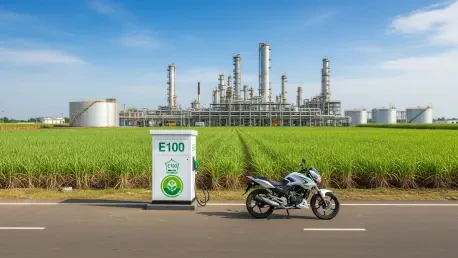
Transitioning a vehicle to run on 100 percent ethanol is a significant mechanical undertaking that goes far beyond simple software adjustments. Ethanol has distinct operating characteristics compared to traditional petrol, requiring dedicated engine calibration and extensive modifications to fuel systems to prevent corrosion and ensure efficient combustion. We are seeing companies like Toyota and Hyundai prepare to enter this space, but the success of their platforms depends on the localization of specialized components that can handle ethanol’s higher oxygen content and different boiling points. The regulatory approval provides the “green light” these manufacturers needed to move from small-scale pilot projects into full-scale commercial production. It is a rigorous process, but seeing motorcycles already capable of operating on E100 proves that the technology is maturing rapidly.
The expansion of ethanol production is frequently described as a pillar of rural development. How do you see this policy impacting the agricultural landscape, and what must be done to ensure it remains sustainable?
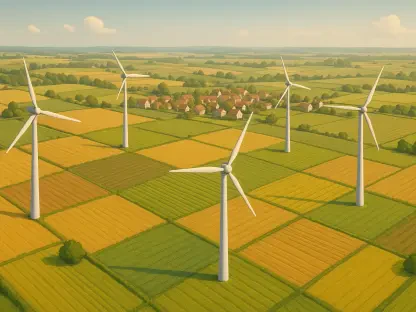
The connection between the sugar-energy sector and the rural economy is the heartbeat of this entire initiative. By increasing the demand for feedstocks like sugarcane and maize, the government is effectively creating a more stable and lucrative market for millions of farmers, which directly strengthens rural incomes. However, this growth cannot come at the expense of environmental health, particularly regarding India’s precious water resources. Minister Gadkari has been very clear that while we expand ethanol production to support bio-refineries, we must simultaneously implement more efficient water management practices in sugarcane cultivation. It is a delicate balance; we are building a massive rural industrial infrastructure that could revitalize the countryside, but it must be rooted in sustainable farming to be viable in the long term.
While the regulatory framework is now in place, the physical infrastructure to deliver E100 to the public is still in its infancy. What are the most critical logistical challenges involved in building a nationwide distribution network for a fuel that behaves so differently from petrol?
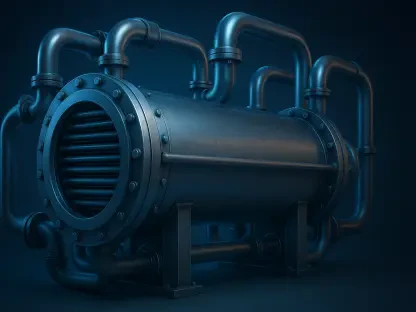
Establishing a reliable supply chain for E100 is perhaps the most daunting task ahead because it requires a completely new layer of infrastructure. Oil marketing companies are now tasked with developing dedicated fuel outlets, which involves not just new pumps, but also specialized storage tanks and transport tankers that are certified for high-concentration ethanol. Ethanol’s affinity for water and its corrosive nature mean that existing pipelines and storage facilities used for petrol cannot be easily swapped over without significant upgrades. We need a robust system for the certification and distribution of the fuel to ensure that every liter of E100 reaching the consumer meets the strict standards required by these new engines. It will likely be a gradual rollout, focusing on regions with high agricultural output first before expanding into a nationwide network.
What is your forecast for the adoption of E100 vehicles in India over the next decade?
I expect the next ten years to be defined by a multi-fuel approach where E100 takes a significant share of the heavy-use and rural transport markets. We will see a rapid acceleration in the adoption of flex-fuel technology, particularly in regions where sugarcane and maize are processed locally, as the cost benefits for farmers and local businesses become undeniable. While electric and hydrogen technologies will continue to grow, the E100 framework provides a more immediate and culturally integrated path toward reducing that 85 percent import figure. As the infrastructure for dedicated outlets matures, I anticipate that E100 will shift from being a niche alternative to a mainstream pillar of India’s transport strategy, fundamentally altering the country’s carbon footprint and its economic relationship with global oil markets.