
A core focus of Moltex’s current research involves simulating molten salt behavior under various flow conditions to ensure the durability of internal reactor components. This technical rigor marks a significant departure from the purely theoretical designs that once dominated the advanced nuclear sector, signaling a transition toward practical, grid-scale implementation. As the energy landscape shifts toward carbon-free baseload power, Moltex Energy has strategically expanded its operational footprint from its original base in Saint John, New Brunswick, into the heart of the American research ecosystem. This move, accelerated by recent strategic acquisitions, represents an integrated North American approach to energy security. By embedding its engineering teams within the United States, the company is not merely seeking funding but is actively participating in a localized industrial evolution. The Stable Salt Reactor stands as the centerpiece of this effort, promising a more resilient alternative to legacy light-water technologies that have defined the industry for decades.
Bridging the Gap Through Scientific Collaboration
Technical Validation: Integrating Argonne National Laboratory
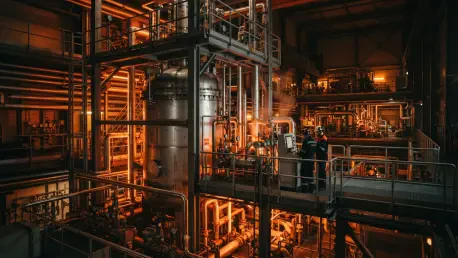
The partnership between Moltex Energy and Argonne National Laboratory in Illinois serves as a critical bridge between laboratory-scale experimentation and commercial viability. At the center of this collaboration is a specialized, flexible laboratory environment specifically engineered to handle the unique demands of molten salt flow systems. Engineers utilize this world-class infrastructure to observe and analyze thermal-hydraulic properties in real-time, providing the granular empirical data necessary to validate the reactor’s long-term performance. Unlike traditional computer models, these physical simulations allow for the observation of how high-temperature salts interact with structural materials over extended periods. This level of scientific de-risking is essential for moving advanced nuclear technology from the drawing board to the power grid, as it ensures that every internal component can withstand the harsh conditions of a functioning reactor. By grounding their designs in physical evidence, the team builds the confidence required for large-scale investment.
Strategic Synergy: Partnering With the Department of Energy
This collaborative model underscores a broader trend of Americanization among international energy startups, where Canadian innovation is effectively paired with American industrial and scientific might. The synergy between Moltex and the United States Department of Energy provides a transparent and robust pathway for the licensing and eventual deployment of advanced reactors. By leveraging federal resources and the vast expertise of American nuclear scientists, Moltex can navigate the complexities of the regulatory environment with greater precision and speed. This strategic alignment allows the company to satisfy stringent safety requirements more efficiently than would be possible in isolation, effectively accelerating the timeline for bringing stable salt technology to the commercial market. Furthermore, this partnership serves as a signal to the global energy market that the United States is becoming a primary hub for advanced nuclear testing. The integration of cross-border talent and facilities creates a more resilient supply chain for future energy projects.
Advancing Sustainability Through Waste-to-Energy
Resource Optimization: Repurposing Spent Nuclear Fuel
A defining feature of the Moltex mission is its commitment to a waste-to-energy philosophy, which aims to utilize recycled nuclear waste as a primary fuel source. Traditional nuclear reactors produce spent fuel that requires long-term storage, creating a significant environmental and logistical challenge that has hindered the industry’s growth for years. Moltex’s proprietary technology addresses this hurdle by converting this long-lived radioactive material into a viable energy resource, effectively closing the fuel cycle. This dual-purpose approach not only reduces the burden of stored waste but also provides a sustainable, carbon-free energy solution that aligns with international net-zero targets. By transforming what was once considered a liability into a high-value asset, the company is reshaping the public perception of nuclear power. This innovation is particularly relevant in the United States, where the management of existing spent fuel remains a high priority for federal policymakers seeking to modernize the nation’s energy infrastructure.
Economic Realization: Transitioning to Modular Deployment
In the preceding months, Moltex Energy’s strategic expansion into the American market proved to be a decisive factor in its technological progression. The project successfully leveraged federal scientific resources to overcome technical hurdles that previously appeared insurmountable in isolation. Researchers established a clear framework for the commercial realization of molten salt technology, focusing on safety, sustainability, and economic scalability. Stakeholders recommended that the next phase focus on standardizing factory-built components to drive down costs further. The partnership with Argonne National Laboratory provided empirical data to satisfy regulatory bodies, while the waste-to-energy initiative addressed environmental concerns. Future considerations involve the integration of these modular units into industrial hubs to provide a path toward energy independence. Policymakers observed that the synergy between innovation and infrastructure created a viable model for cooperation. These actions ensured that advanced nuclear power remained a central pillar of the North American strategy.