
The sight of a three-ton luxury SUV idling in a narrow European alleyway has become an emblem of modern urban inefficiency, highlighting the urgent need for a radical shift in how city dwellers navigate their environment. As metropolitan populations swell and low-emission zones expand, the traditional automotive model faces a reckoning. This shift has cleared a path for a new category of transportation that prioritizes agility and space efficiency over horsepower and bulk. At the forefront of this movement is a reimagining of the micro-car, a segment that once seemed like a niche curiosity but now represents a critical pillar of sustainable transit. Fiat has positioned itself as a primary driver of this evolution by focusing on electric quadricycles that bridge the gap between bicycles and full-sized passenger vehicles. This strategic pivot addresses the core challenges of noise pollution, offering a tangible solution for a demographic that demands style and functionality.
Redefining the Compact Vehicle Experience
The transition toward electric micromobility represents more than just a change in vehicle size; it is a fundamental shift in how urban centers prioritize the movement of people over the storage of machines. Cities that were once designed for the horse and carriage, and later overwhelmed by the internal combustion engine, are now being reclaimed by vehicles that match the scale of the streetscape. This movement is driven by a combination of technological maturity and a collective desire for cleaner, quieter neighborhoods. By focusing on the specific requirements of the city dweller, manufacturers are creating a new ecosystem where transit is seamless and less intrusive. This context has allowed for the rise of specialized vehicles that do not attempt to be all things to all people but instead excel at a single, vital task. As these micro-vehicles become more common, they are reshaping the public’s perception of what constitutes a legitimate car in the modern age.
Engineering for Urban Efficiency
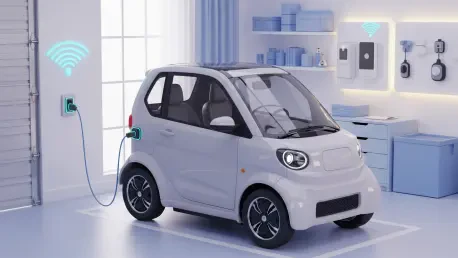
The Fiat Topolino serves as the cornerstone of this micromobility strategy, utilizing a compact lithium-ion battery architecture that provides approximately 45 miles of range on a single charge. By limiting the battery size, the vehicle maintains a lightweight profile, which enhances efficiency and allows it to be charged via a standard 220V domestic socket in under four hours. This removes the reliance on expensive high-speed charging infrastructure, making electric mobility accessible to apartment dwellers who lack dedicated parking. The engineering team prioritized a spatial economy that allows the vehicle to navigate medieval city centers and modern thoroughfares with ease. This meticulous attention to detail ensures that every centimeter of the 2.53-meter length is utilized for passenger comfort, proving that smaller vehicles can still offer a premium and highly functional experience. It demonstrates that meeting urban travel needs does not require the excessive energy consumption of a full-sized sedan.
Safety and Sustainability in Modern Design
The transition toward more sustainable production methods required an overhaul of the traditional assembly line to accommodate recycled and bio-based materials. Manufacturers successfully integrated reclaimed ocean plastics and synthetic textiles into vehicle interiors, ensuring that the luxury of the driving feel did not come at the expense of environmental integrity. These efforts were complemented by a streamlined supply chain that prioritized local sourcing for battery components, thereby reducing the emissions associated with long-distance logistics. By adopting a “right-sized” approach to engineering, the industry minimized the waste of precious metals and energy during the manufacturing process. This strategic evolution provided a clear roadmap for urban centers to achieve their carbon-neutrality goals while maintaining personal mobility. The final results suggested that the most effective way to solve congestion was not through bigger batteries, but through smarter, smaller vehicles.