



The Evolving Landscape of Sustainable Aviation Fuel Production
The global aviation sector currently faces an urgent turning point as nations scramble to secure the specific high-volume feedstocks required to meet aggressive carbon reduction mandates; consequently, South Korea is repositioning its energy strategy toward more scalable fuel pathways. This shift is primarily driven by the upcoming 2030 sustainable aviation fuel (SAF) blending mandate, which requires a significant departure from traditional petroleum reliance. Organizations such as the International Air Transport Association (IATA) have highlighted that achieving net-zero goals necessitates a diverse portfolio of technological solutions that can cater to the intense energy demands of modern flight.
During the Seoul Biofuels & Sustainable Aviation Fuel Conference, experts emphasized that the move toward ethanol-based solutions like Alcohol-to-Jet (ATJ) technology represents a pragmatic response to the constraints of earlier methods. While Hydroprocessed Esters and Fatty Acids (HEFA) pathways provided the initial foundation for the industry, the limited availability of lipid-based feedstocks has forced a strategic pivot. By integrating these various fuel technologies, the industry aims to decarbonize not only aviation but also the maritime and road transport sectors, creating a cohesive national energy framework.
Technical and Operational Comparison of HEFA and ATJ Pathways
Feedstock Availability and Supply Chain Constraints
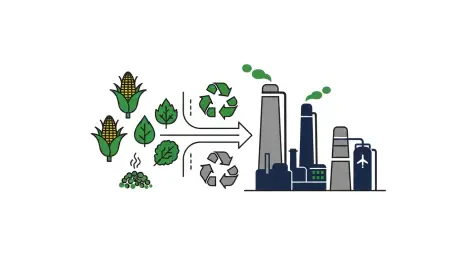
The primary differentiator between these two technologies lies in the origin and volume of their respective feedstocks. HEFA production is heavily dependent on waste streams, specifically waste cooking oil (WCO) and animal fats, which are subject to extreme market competition and supply volatility. As more countries implement blending mandates, the global hunt for these lipids has led to severe feedstock shortages, effectively capping the growth potential of the HEFA pathway at a level far below what is required for international aviation.
In contrast, the ATJ pathway offers a vastly more scalable solution by utilizing corn-based ethanol as its primary building block. The United States, currently the largest global exporter of ethanol, provides a massive and stable supply chain that can support high-volume fuel production. This abundance allows fuel producers to move beyond the limitations of waste-based oils, ensuring that the feedstock supply can keep pace with the rising demand for SAF as the 2030 deadline approaches.
Infrastructure Compatibility and Capital Requirements
A significant advantage of ATJ technology is its high degree of compatibility with existing petrochemical infrastructure, which facilitates a more rapid and cost-effective deployment. Refiners can often integrate ATJ processes into established industrial zones with minimal modifications to their existing storage and distribution systems. This lower initial investment cost makes it an attractive option for regions with mature chemical industries that are looking to transition toward greener energy production without the burden of building entirely new facilities.
HEFA production facilities, however, often require more specialized equipment to handle the pre-treatment and processing of diverse waste fats and oils. While these facilities are efficient at smaller scales, the specific requirements for processing lipids can lead to higher capital expenditures when attempting to scale up for national-level supply. The adaptability of ethanol-based solutions gives them a distinct edge in industrial environments where existing pipelines and refining assets are already in place.
Energy Security and International Technological Cooperation
The transition toward these sustainable fuels is deeply intertwined with international partnerships, most notably the collaboration between South Korea and the United States. This relationship focuses on technology transfer and the development of robust supply chains to ensure long-term energy security. By securing ethanol from the U.S., South Korea can diversify its energy portfolio and reduce its vulnerability to the price fluctuations of global oil markets, creating a more resilient transport sector.
Comparing the two technologies reveals that while HEFA is excellent for utilizing domestic waste, ATJ provides the foundation for a more comprehensive national strategy. This strategy encompasses air, road, and maritime transport, leveraging the established production base of ethanol to lower emissions across multiple sectors. The cooperative development of low-carbon certification systems further strengthens these international ties, ensuring that the environmental benefits of the fuel are recognized globally.
Economic Hurdles and Implementation Challenges
Despite the technical promise of these fuel pathways, the significant price gap between sustainable alternatives and conventional jet fuel remained a formidable barrier. Currently, SAF costs approximately three times more than its fossil-fuel counterpart, a disparity that poses a financial challenge for airlines and transport companies operating on thin margins. Closing this gap required more than just technological innovation; it demanded aggressive government intervention and a clear regulatory framework to foster market confidence.
Real-world obstacles involved the diversification of feedstocks and the necessity of establishing robust low-carbon certification systems to track the lifecycle emissions of every gallon produced. To ensure the commercial viability of both HEFA and ATJ, industry leaders called for the implementation of production tax credits, investment incentives, and revenue support mechanisms. These financial tools were seen as essential for de-risking private investment and making green fuels competitive with established petroleum products in the global marketplace.
Strategic Recommendations for Sustainable Fuel Adoption
The evaluation of these pathways demonstrated that while HEFA served as a valuable tool for immediate waste utilization, ATJ emerged as the superior choice for meeting large-scale national energy requirements. Stakeholders recognized that a balanced approach was necessary, using HEFA for smaller-scale, localized waste-to-energy projects while prioritizing ATJ for the massive volumes needed to satisfy the 2030 blending mandates. The integration of these fuels into a broader transport strategy ensured that South Korea remained competitive in a rapidly decarbonizing global economy.
Strategic decisions were ultimately guided by regional feedstock availability and the presence of existing industrial assets. The analysis suggested that countries with strong ties to ethanol exporters should have leaned toward ATJ for its scalability and infrastructure benefits. Conversely, regions with abundant local waste streams were encouraged to maintain HEFA production to maximize their circular economy potential. This dual-track framework provided the most reliable path toward achieving long-term climate goals while maintaining the stability of the national energy supply.







