
The convergence of the natural El Niño cycle and persistent human-induced global warming is currently reshaping the global climate landscape into a state of unprecedented volatility and risk. While natural variability has always influenced the planet’s atmospheric patterns, the additional 1.4 degrees Celsius of baseline warming caused by carbon emissions acts as a powerful multiplier for every seasonal fluctuation. Scientists often describe this relationship using the metaphor of a cake and its frosting; the long-term warming driven by industrial activity forms the solid base, while El Niño serves as a temporary layer of intense heat on top. This synergy ensures that even standard climatic events now manifest with record-breaking intensity, pushing ocean temperatures and atmospheric energy into dangerous new territory. Instead of acting as independent phenomena, these two forces are effectively supercharging one another, creating a cascade of extreme events that destabilize infrastructure and threaten the security of nations.
Regional Vulnerabilities: The Intersection of Scarcity and Disease
The Caribbean has emerged as a primary front line in the global struggle against climate volatility, experiencing severe drought conditions that stand in stark contrast to its minimal contribution to greenhouse gas emissions. In regions like Puerto Rico, the depletion of freshwater reservoirs has forced the implementation of aggressive water rationing programs, which disrupt daily life and create systemic vulnerabilities for the entire population. This lack of access to clean water creates a domino effect, undermining sanitation efforts and leaving communities exposed to various biological threats. The persistence of these dry spells, amplified by the current El Niño phase, has turned once-reliable agricultural cycles into gambles with nature, forcing local governments to divert limited resources toward emergency relief. As the moisture disappears from the soil, the regional microclimate continues to shift, making it increasingly difficult for local ecosystems to bounce back even after the rains finally arrive.
Beyond the immediate threat of water scarcity, the shift in thermal patterns is creating a secondary crisis within the public health sector as nighttime temperatures rise twice as fast as those during the day. This phenomenon prevents the human body from entering a necessary state of recovery, leading to higher mortality rates during sustained heat waves as biological systems remain under constant stress. Concurrently, the warming of the surrounding seas provides the perfect conditions for massive seaweed blooms, which clog coastal regions and destroy the local fisheries that many island communities depend on for their primary source of protein. This ecological disruption is further complicated by the rapid spread of mosquito-borne diseases like Dengue and Zika, which thrive in the stagnant water storage containers that citizens use during periods of rationing. The combination of heat stress, nutritional instability, and disease expansion represents a multifaceted threat to human longevity that traditional healthcare systems are currently ill-equipped to handle.
Financial Consequences: Quantifying the Cost of a Warming World
Global financial stability is currently facing a profound challenge as the cumulative toll of extreme weather events contributes to a significant contraction of economic growth across multiple continents. Recent projections suggest that without a meaningful reversal of current warming trends, global GDP could potentially be reduced by half by the end of the century, representing a catastrophic loss of wealth and opportunity. For many African nations, the reality of this crisis is already felt in national budgets, where nearly ten percent of annual spending must be redirected toward disaster response and emergency recovery efforts. This massive diversion of capital drains funds from critical sectors such as public education, modern infrastructure, and technological innovation, effectively trapping developing economies in a cycle of repair rather than growth. The fiscal burden of rebuilding after recurring floods and droughts prevents these nations from investing in the resilience measures that could protect them from future climatic shocks.
The impact of these climatic shifts extends directly to the average consumer through a persistent cost-of-living crisis driven by significant drops in agricultural productivity and rising food prices. Extreme heat and unpredictable rainfall patterns have added hundreds of dollars to the annual food bills of households worldwide, making basic nutritional necessities less affordable for millions of people. Beyond the grocery aisle, the extreme temperatures are responsible for the loss of billions of working hours each year, as laborers in the construction and agricultural sectors find it physically impossible to work safely during peak heat periods. This reduction in labor capacity ripples through global supply chains, leading to delays in production and increased costs for finished goods, which further fuels inflationary pressures. The resulting strain on national productivity creates a drag on the global economy that complicates the ability of governments to fund the transition to a more sustainable and resilient energy infrastructure.
Scientific Attribution: Moving Toward Targeted Policy Solutions
Significant advancements in the field of attribution science have fundamentally changed the way policy makers and researchers understand the relationship between human activity and specific weather events. We are now able to determine with remarkable precision how much a specific heat wave or storm was intensified by carbon emissions, effectively moving the public discourse from general speculation toward data-driven accountability. By calculating the exact temperature delta attributable to industrial activity, scientists provide a clear evidence base for legal and regulatory frameworks that aim to mitigate the worst effects of global warming. This scientific clarity is essential for developing targeted intervention strategies, as it allows urban planners and national governments to prioritize resources for the most vulnerable areas based on empirical risk assessments. The ability to distinguish between natural variability and human-induced amplification ensures that the global community can no longer ignore the direct link between fossil fuel consumption and local environmental disasters.
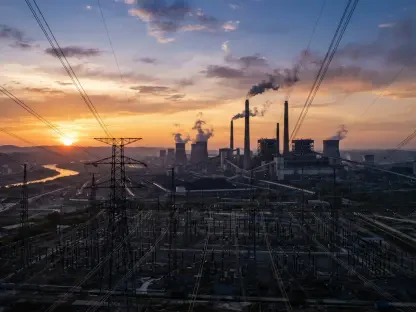
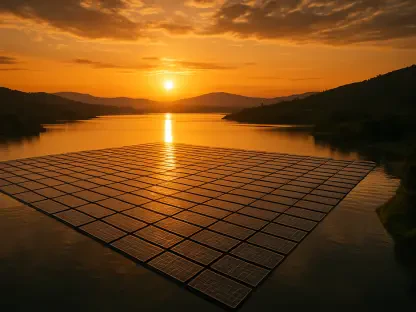
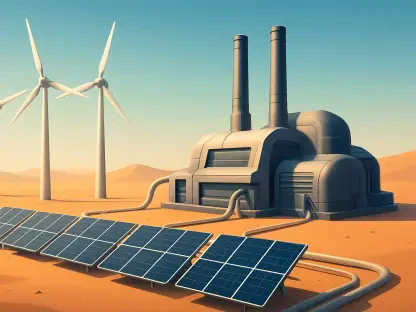
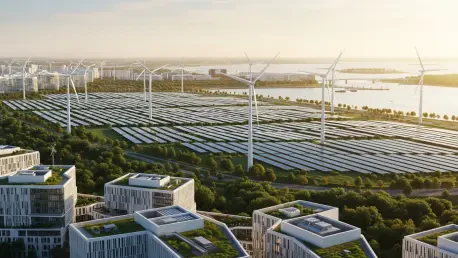
The global community recognized that the only viable path to ensuring long-term ecological and economic stability involved an aggressive transition toward net-zero emissions. While natural cycles like El Niño remained outside of human control, the decision to address the underlying warming that amplified their destructive power became the central focus of international policy. Leaders implemented comprehensive strategies to move away from fossil fuel dependence, prioritizing the rapid expansion of renewable energy sources and the modernization of power grids. These actions were paired with significant investments in resilient infrastructure designed to withstand the increasingly volatile weather patterns that had already become integrated into the planet’s atmospheric system. By focusing on the root causes of the warming rather than simply reacting to individual disasters, the global community established a foundation for a more sustainable future. This shift in priorities helped to stabilize supply chains and protected the most vulnerable populations from the worst financial and physical effects of a changing climate.