
Navigating Bermuda’s Energy Crossroads
Bermuda stands at a critical juncture where the decisions made regarding the national grid will determine the island’s economic sovereignty and environmental footprint for the next several decades. As the government unveils its renewed National Electricity Sector Policy, a profound debate has emerged regarding the direction of the island’s energy future. This document serves as a strategic roadmap, but it has sparked significant friction between those advocating for immediate cost-cutting measures and those who view long-term sustainability as the only viable economic path. The central tension lies in the government’s pivot toward a strategy that prioritizes fossil fuel stability over the aggressive expansion of renewable resources. This article provides a comprehensive market analysis of this policy shift, examining whether the current trajectory represents a pragmatic economic recalibration or a significant retreat from global environmental standards.
The relevance of this debate extends far beyond the borders of this isolated Atlantic archipelago, as it mirrors the challenges faced by many island nations grappling with high importation costs and climate vulnerability. By exploring the implications of the new policy, stakeholders can better understand the potential risks and opportunities that lie ahead. The following analysis draws upon the critiques of industry leaders and environmental advocates to assess the validity of the “least-cost” framework and the long-term impact of infrastructure decisions. Through a detailed examination of current patterns and future predictions, it becomes clear that Bermuda’s energy strategy is at a definitive tipping point, with the outcome poised to influence the cost of living and the resilience of the local economy for generations.
From Ambitious Targets to a Fossil Fuel Pivot
To fully grasp the magnitude of the current policy shift, it is essential to look at the historical aspirations that once defined Bermuda’s energy goals. Not long ago, the national vision was one of bold transformation, with a target of generating 85% of the island’s electricity from renewable sources by 2035. This objective positioned Bermuda as a potential leader in island sustainability, signaling to international investors that the territory was ready to embrace a post-carbon economy. However, the updated National Electricity Sector Policy marks a stark departure from that trajectory, reflecting a more conservative and cautious approach to energy transition.
The new policy framework anticipates that by 2030, approximately 93% of the island’s energy will still be derived from traditional fossil fuels. This pivot is framed by policymakers as a necessary move to ensure grid reliability and lower immediate consumer costs, yet it represents a significant retreat from earlier environmental commitments. This shift matters because it changes the investment climate for green technology and alters the risk profile for the island’s energy security. As the world increasingly moves toward decarbonization, returning to a model dependent on imported fuel may leave the island vulnerable to price shocks and supply chain disruptions. Understanding this historical context is vital for evaluating whether the new policy truly serves the long-term interests of the population or simply delays an inevitable and necessary transition.
The Structural and Economic Challenges of the New Policy
Dismantling the False Dichotomy Between Cost and Sustainability
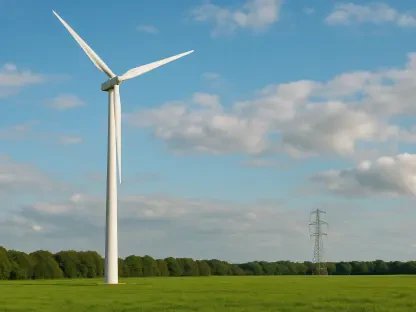
A fundamental pillar of the current debate is the challenge to the long-standing assumption that environmental protection and economic affordability are mutually exclusive. Renewable energy analysts argue that the government’s “least-cost” designation for fossil fuels is increasingly inaccurate in a market where the cost of clean technology continues to plummet. International evidence suggests that the integration of solar and wind power, when managed effectively, can actually drive down the overall cost of energy systems by reducing the need for expensive fuel imports. In markets like Spain and China, aggressive renewable expansion has led to lower wholesale electricity prices, proving that sustainability can be the most affordable path forward.
Furthermore, the “least-cost” argument often fails to account for the negative externalities associated with fossil fuel combustion, such as healthcare costs related to air quality and the long-term economic damage caused by climate change. By taking a passive stance and waiting for technology to become even cheaper before making major investments, the island may miss a critical window to foster a robust local renewable market. The challenge for policymakers is to align their strategies with the modern reality that decarbonization and affordability are now mutually reinforcing goals. A failure to recognize this alignment could result in a missed opportunity to provide residents with stable, low-cost power generated from domestic resources.
The Peril of Long-Term Infrastructure Lock-In
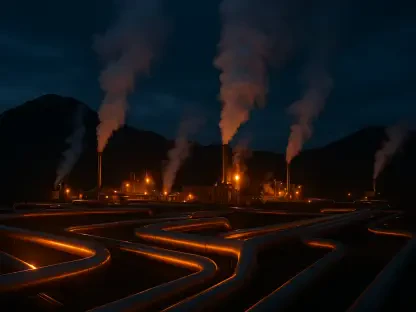
The move back toward fossil fuels introduces a significant risk known as structural lock-in, which occurs when massive investments are channeled into traditional energy assets that require decades of operation to be financially viable. For instance, the development of liquefied natural gas facilities or the continued maintenance of heavy oil plants requires significant capital expenditure that must be recovered through consumer rates over many years. Once these assets are in place, the economic pressure to keep them running becomes immense, even if cleaner and cheaper alternatives emerge in the near future. This creates a barrier to innovation, effectively trapping the island in a carbon-heavy energy cycle regardless of global technological advancements.
Industry stakeholders warn that committing to such infrastructure today could burden the local economy with outdated and expensive energy for a generation. This lock-in effect not only prevents the adoption of greener alternatives but also limits the flexibility of the grid to respond to future innovations. If the island is tied to a centralized fossil fuel model, it will be harder to integrate decentralized solutions like rooftop solar or community energy sharing. The risk of stranded assets—where infrastructure becomes obsolete before it is paid for—is a major concern that could lead to higher taxes or electricity rates to cover the remaining debt of failed projects.
Decentralized Power and the Battle for Energy Equity
Another layer of complexity involves the rise of distributed generation, where individual homeowners and businesses produce their own power through rooftop solar arrays. While this transition represents a potent tool for achieving energy independence, the renewed policy suggests the possibility of higher tariffs for those who have invested in solar technology. Critics view these measures as punitive toward early adopters who took the initial risk to modernize their properties. Instead of encouraging the growth of the solar market, such policies could stifle private investment and create a climate of uncertainty for those considering a switch to clean energy.
Moreover, while the government has mentioned community solar initiatives to help low-income renters access clean energy, there remains a lack of actionable legislation to bring these projects to fruition. There is a growing concern that the concept of equity is being used as a rhetorical shield to protect the existing fossil fuel status quo. True energy justice requires the creation of practical mechanisms, such as shared grids and accessible financing models, that allow all residents to participate in the renewable revolution. Without a clear legislative framework, community solar will remain an aspirational goal rather than a reality that provides relief to those most affected by high energy costs.
Technological Innovation and the Path Toward Independence
The future of the energy landscape is being shaped by a convergence of technologies that make a fossil-free grid more viable than ever before. Beyond the basic generation of power from wind and solar, the integration of advanced battery storage, smart grid technology, and electric vehicles is creating a more dynamic and resilient system. Electric vehicles, for example, can act as mobile energy reservoirs, discharging power back into the grid during peak demand through vehicle-to-grid technology. This decentralized approach offers a roadmap to energy independence that does not rely on a single, massive power plant or the constant importation of expensive fuels.
Experts predict that as these technologies continue to mature, the economic argument for maintaining a fossil fuel-dominated system will weaken further. Regulatory changes that prioritize smart meters and dynamic tariffs can encourage consumers to use energy when renewable production is at its highest, thereby smoothing out demand and reducing the need for backup fossil fuel generation. By embracing these innovations, Bermuda could insulate itself from the volatility of global fuel markets, which are perpetually subject to geopolitical instability and supply shocks. Moving toward a modern, high-tech grid is not just an environmental choice; it is a strategic economic move to ensure long-term stability and security.
Strategic Recommendations for a Resilient Grid
The analysis of the National Electricity Sector Policy suggests several critical takeaways for the future of the island’s energy grid. First, it is widely agreed that the shift from an 85% renewable target to a reliance on fossil fuels represents a regression that ignores both climate science and current economic trends. To mitigate the risks of this policy, the government should consider adopting science-based targets and carbon budgets that provide a clear and stable roadmap for investors. Long-term certainty is essential for attracting the capital needed to build a modern energy infrastructure, and a fluctuating policy environment only serves to drive up the cost of financing for green projects.
Additionally, rather than introducing tariffs that discourage the use of solar power, the regulatory framework should focus on unlocking the potential of community-shared energy. Legislative priority must be given to creating the legal structures required for residents to invest in solar farms and share the benefits across the grid. Moving forward, the “least-cost” path must include a comprehensive evaluation of the long-term environmental impacts and the inherent risks of fuel importation. A forward-looking strategy would prioritize energy efficiency and domestic production, ensuring that the island’s power system is both resilient to external shocks and capable of meeting the needs of a modern economy.
Choosing a Sustainable Legacy for Bermuda
The intense debate over the National Electricity Sector Policy highlighted a fundamental disagreement regarding the island’s role in a rapidly changing global landscape. While the government emphasized immediate cost containment through continued fossil fuel use, the consensus among industry and environmental experts suggested that such a path led to long-term economic and environmental instability. This topic remained significant because the infrastructure decisions and targets established during this period dictated the cost of living and the carbon footprint of the territory for decades to come.
Ultimately, the analysis of the proposed policy revealed that the “least-cost” strategy was a narrow interpretation of economic value that failed to account for the benefits of energy independence and the declining costs of technology. The transition toward a decentralized, fossil-free future offered a historic opportunity to build a more equitable and resilient society, but it required a departure from the preservation of the status quo. In the end, the path toward a sustainable legacy for Bermuda was not found in the safety of traditional energy models, but in the bold adoption of innovation and a commitment to long-term climate responsibility. The public consultation served as a final reminder that a policy built on yesterday’s fuels would likely struggle to power the needs of tomorrow’s economy.