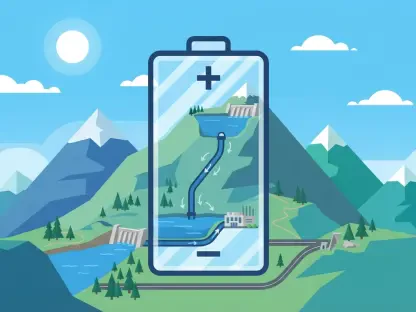

The rapid decentralization of the American electrical grid is no longer a distant projection but a lived reality for New Jersey, where residential energy storage and electric vehicle adoption are fundamentally reshaping the relationship between utilities and consumers. As of 2026, the state is actively transitioning toward a sophisticated infrastructure that leverages these “grid-edge” assets to create a more resilient power system. This shift, orchestrated by the New Jersey Board of Public Utilities (BPU), seeks to move beyond traditional, centralized generation in favor of a Virtual Power Plant (VPP) model. By aggregating small-scale energy resources, the state aims to enhance grid stability while offering economic incentives to participants, effectively turning individual homes and businesses into active components of the regional energy market.
The Foundations of the BPU’s Transitional Roadmap
The current trajectory of New Jersey’s energy policy is rooted in aggressive state mandates that prioritize the rapid deployment of solar and energy storage. Under Executive Order No. 2, the state established significant procurement targets that necessitated a radical rethink of how the electrical grid operates. Historically, utilities relied on large-scale fossil fuel plants to manage surges in demand, but the proliferation of distributed energy resources (DERs) has created an opportunity to utilize smaller, cleaner alternatives. The BPU’s formal proposal serves as a bridge between localized pilot projects and a comprehensive, state-wide system, ensuring that infrastructure investments made between 2026 and 2028 align with long-term decarbonization goals.
This roadmap is designed to be explicitly transitional, allowing for a phased implementation that minimizes risk while maximizing learning opportunities. By establishing a formal framework now, state regulators are providing the market with the certainty needed to attract private investment. The shift is not merely technical but also economic, as it requires a realignment of how value is assigned to energy stored in a basement battery or an electric school bus. This evolution ensures that the Garden State remains at the forefront of clean energy innovation, providing a template for other states to follow in the transition toward a decentralized, reliable power grid.
Navigating the Technical and Regulatory Architecture
Technology Neutrality: The Power of Aggregation
A fundamental pillar of the New Jersey VPP strategy is its commitment to technology neutrality, ensuring that the grid can utilize any asset capable of providing measurable services. This inclusive approach means that hardware such as residential batteries, managed electric vehicle chargers, and smart thermostats can all contribute to the collective pool of energy. Third-party companies, known as aggregators, play a vital role in this ecosystem by coordinating thousands of these individual devices to function as a single, large-scale power source. By allowing a diverse range of assets to participate, the state ensures that the grid remains flexible and can draw from a variety of sources during periods of high peak demand.
Maximizing Value: The Revenue Stacking Potential
One of the most innovative aspects of the new framework is the concept of value stacking, which allows participants to earn revenue from multiple streams simultaneously. Under this model, a battery owner might receive payments for helping a local utility manage distribution-level congestion while also participating in the PJM Interconnection wholesale capacity market. To facilitate this, the BPU is implementing strict coordination rules that allow for these combined revenue streams while preventing the same unit of energy from being compensated twice. This economic structure significantly improves the return on investment for clean energy technologies, making adoption more attractive for both residential and commercial consumers.
The Human Element: Managing Customer Control
Despite the technical sophistication of VPPs, the long-term success of the program depends heavily on maintaining a high rate of customer retention and satisfaction. Utility leaders have observed that if a battery is discharged too frequently to support the grid, the homeowner may feel they have lost control over their backup power and opt out of the program. Balancing the need for grid intervention with a fair “value proposition”—such as an annual performance payment—is a primary focus for regulators. Furthermore, ensuring that third-party aggregators have non-discriminatory access to the market is essential for fostering a competitive environment that benefits the end user and prevents the formation of utility monopolies.
The Evolution Toward an Open-Access Energy Future
As the current transitional phase progresses, the market will move toward an “Open-Access” model slated for implementation in 2029. This phase will require significant technological upgrades, including the widespread deployment of advanced metering infrastructure (AMI) and real-time communication systems. We expect to see an increased reliance on artificial intelligence to forecast peak demand and automate the dispatch of stored energy with high precision. This transition will likely transform New Jersey into a dynamic marketplace where the grid functions as a two-way delivery system, allowing for “bring your own device” participation that empowers consumers to choose how and when they contribute to the regional power supply.
Strategic Takeaways: Navigating the New Energy Market
For stakeholders in the New Jersey energy landscape, the rollout of this strategy provides several actionable opportunities for growth and savings. Homeowners should investigate utility-sponsored programs that offer upfront rebates for battery installations, as these can significantly lower the barrier to entry while providing backup power during outages. Commercial entities can look into managed electric vehicle charging and demand-response systems to turn their energy consumption into a potential revenue stream. The overarching takeaway is that the era of the “prosumer” is firmly established; by participating in these programs, residents and businesses are not just reducing their environmental footprint but are also playing a critical role in stabilizing the regional electrical grid.
Reflecting on New Jersey’s Market Shift
New Jersey’s Virtual Power Plant strategy represented a bold reimagining of how a modern state generated and consumed electricity. By transitioning from initial pilot phases toward a fully integrated, open-access tariff by 2029, the state created a durable blueprint for a resilient and carbon-neutral future. While technical and behavioral challenges existed, the potential for these distributed systems to lower costs and increase reliability remained undeniable. As the BPU refined this framework through stakeholder input, the state successfully transformed its electrical grid into a decentralized powerhouse, proving that the collective strength of small-scale resources could indeed power an entire state.