
The unprecedented density of modern megacities has transformed the electrical grid from a simple delivery mechanism into a complex, living ecosystem that requires constant, intelligent recalibration to survive. As of 2026, the traditional model of one-way energy flow is being replaced by a sophisticated dialogue between the utility provider and the end user. This shift is not merely a technical necessity but a fundamental restructuring of how urban environments interact with their energy sources.
The evolution from passive to active consumption is the cornerstone of this new reality. In the past, cities operated on a system where massive fossil fuel plants produced a steady baseload, and consumers pulled from that supply without consequence. Today, the integration of solar and wind energy demands a more responsive approach. Demand itself has become a flexible resource, allowing megacities to balance the grid by adjusting consumption in real-time rather than relying solely on spinning reserves.
The Evolution of Urban Power Systems and Grid-Interactive Management
The transition toward active energy management has moved the industry away from inflexible fossil-fuel models. In current 2026 operations, urban grids utilize demand as a tool to mitigate the intermittency of renewable generation. Instead of just adding more batteries, operators now look to the existing consumption patterns of the city as a latent battery that can be tapped at will.
Technological architecture in the modern grid relies heavily on a dense network of internet-of-things devices and smart meters. These tools have turned factories and high-rise office buildings into active participants that can respond to price signals or frequency deviations within seconds. Grid-interactive technologies allow for the fine-tuned adjustment of thermal loads and industrial processes, creating a bridge between the digital world and the physical power lines.
Key industry segments, including the industrial, commercial, and residential sectors, each contribute unique flexibility to the urban network. Large factories often provide high-volume load shedding, while commercial centers offer significant thermal storage through their ventilation systems. Even residential blocks are becoming significant through the aggregation of thousands of smart home devices that, when coordinated, rival the output of a traditional peaking power plant.
The significance of grid-side orchestration cannot be overstated because it ensures that energy is used exactly when it is most abundant. Coordination is now recognized as being as critical to decarbonization as the installation of renewable capacity. Without a way to direct energy use toward peak production times, the massive investments in solar and wind would be lost to curtailment or system inefficiency.
Shifting Paradigms in Energy Consumption and Market Dynamics
Technological Drivers and the Rise of Grid-Side Intelligence
The integration of artificial intelligence is currently revolutionizing how cities manage their energy windows. Machine learning platforms analyze local weather forecasts and historic usage data to predict when solar generation will surge. These systems then automate the operation of thousands of household appliances, ensuring that energy-intensive tasks are performed during peak supply hours without any loss of comfort for the residents.
Virtual power plants and aggregators have emerged as the primary intermediaries in this new market. By bundling thousands of small-scale users together, these platforms create a single, reliable buffer that grid operators can manipulate with high precision. This aggregation allows small residential participants to access the same financial incentives and grid-stabilization markets that were previously reserved for massive industrial facilities.
There is a growing conceptual shift from electricity demand to electricity services. Consumers are no longer just buying kilowatt-hours; they are paying for thermal comfort, lighting, and transportation readiness. This shift allows management systems to optimize the raw energy consumption behind the scenes while still delivering the final utility the customer expects, thereby decoupling quality of life from rigid energy use.
Quantifying the Growth of Demand-Side Flexibility and Infrastructure
Projections from 2026 to 2030 show a marked increase in the reliance on urban renewable integration. As megacities strive to meet climate targets, the percentage of variable wind and solar power in the local mix is expected to double. This trend necessitates a parallel growth in flexible demand capacity to prevent grid instability and ensure that zero-carbon energy is never wasted.
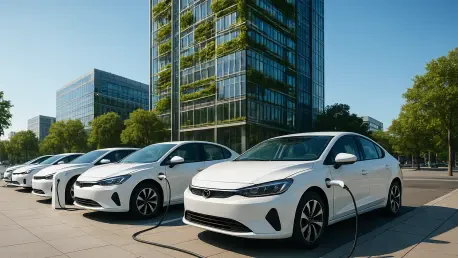
Energy storage systems and electric vehicle fleets are acting as the primary sinks for excess renewable power. In the current 2026 landscape, the rapid expansion of EV charging infrastructure has provided a massive, distributed battery that can absorb solar spikes during the day. Performance indicators suggest that these mobile storage units are becoming the most cost-effective way to stabilize the local distribution network.
The economic impact of demand management is visible in the ability to postpone major infrastructure upgrades. By using intelligence to smooth out demand peaks, cities are avoiding the multi-billion dollar costs associated with digging up streets to install larger cables or new substations. Market data confirms that investing in software and smart controllers is significantly more affordable than expanding the physical hardware of the grid.
Overcoming Structural and Technical Hurdles in Grid Integration
One of the primary technical challenges is the management of the rebound effect. When thousands of appliances are shifted to a new time slot, there is a risk that they will all resume operation simultaneously, creating a secondary demand spike that is more dangerous than the original. Strategies to stagger these activations are essential for maintaining the delicate balance of a high-load urban environment.
Social equity remains a critical concern as the industry moves toward more digitalized energy models. There is a persistent risk that financial benefits and smart technologies will only be available to wealthier residents, leaving lower-income households with higher bills and less control. Ensuring that the digital energy transition is inclusive is not just a moral goal but a practical one, as full grid flexibility requires participation from every sector.
Technical complexity is particularly high in the dense urban cores of megacities. The sheer load density makes any mistake in demand prediction potentially catastrophic for local equipment. Logistically, upgrading physical hardware in congested areas remains a slow process, making the reliance on digital orchestration and soft infrastructure even more vital for the city’s continued growth.
Policy Frameworks and Security Standards for a Digitalized Grid
Data privacy and consumer protection are at the forefront of recent regulatory developments. Because intelligent demand management requires granular data on when and how energy is used, robust standards are necessary to prevent the misuse of personal information. New laws are focusing on anonymizing usage data while still allowing the grid to function with the necessary transparency and speed.
The standardization of grid communication is another pillar of the modern energy policy. International protocols are being adopted to ensure that an electric vehicle from one manufacturer can talk to a charging station from another and a grid management platform from a third. This interoperability is what prevents technology silos and allows for the seamless scaling of flexible demand programs across different metropolitan regions.
Incentive programs are being redesigned to move away from simple rebates and toward market-based compliance. Government mandates now frequently require new buildings to be grid-interactive by design. These regulations are pushing both industrial giants and individual homeowners to adopt the smart technologies needed to make the entire urban power system more resilient and responsive.
The Future Landscape of Resilient and Decentralized Urban Energy
Emerging disruptors like peer-to-peer energy trading are starting to decentralize how power is valued and sold. Blockchain-based microgrids are allowing neighbors to trade excess solar power directly with one another, creating a more democratized energy landscape. This decentralization increases city-wide resilience by ensuring that localized power sources can continue to function even if the main grid is compromised.
Innovation in long-duration storage is changing the ability to shift demand across days rather than just hours. New battery chemistries and carbon-neutral thermal storage solutions are providing the depth needed to handle extended periods of low renewable production. These technologies allow megacities to maintain their decarbonization goals even during unfavorable weather conditions that last for several days.
Global economic influences are also shaping the speed at which smart technologies are adopted. As supply chains for semiconductors and battery materials stabilize, the cost of grid-interactive hardware continues to fall. This economic shift is enabling developing megacities to leapfrog older energy models and move directly toward a decentralized, digitalized, and decarbonized power architecture.
Strategic Imperatives for Achieving a Zero-Carbon Megacity
The transition toward a flexible energy model provided significant improvements in urban infrastructure efficiency and reliability. Stakeholders discovered that demand-side resources acted as a powerful buffer, reducing the need for expensive renewable curtailment and enhancing the resilience of the entire city. These benefits were realized through a combination of technological innovation and a fundamental change in how citizens interacted with their power.
Investment strategies prioritized AI-driven orchestration and behind-the-meter storage as high-potential areas for growth. Both private and public sectors moved toward funding digital solutions that optimized existing assets rather than relying on the construction of new power plants. This strategic focus allowed megacities to accelerate their decarbonization timelines while maintaining economic stability and grid security during the transition.
The integration of intelligence into the energy network turned the complexity of the urban environment into a strategic asset. Cities utilized information and coordination to transform millions of independent devices into a unified tool for sustainability. This approach proved that the path to a zero-carbon future was defined by the ability to manage data as effectively as we manage electricity itself.