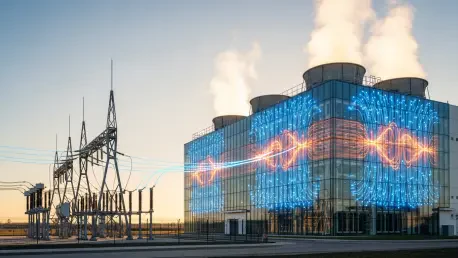

The sheer intensity of contemporary heat waves has transformed from a seasonal inconvenience into a fundamental threat to the reliability of global power grids, particularly during peak summer months. As temperatures reach unprecedented highs in 2026, the demand for air conditioning and industrial cooling pushes the electrical distribution system to its absolute breaking point. Historically, data centers were viewed as significant drains on these resources, consuming vast amounts of electricity to maintain server temperatures. However, a significant shift in operational strategy has allowed these facilities to transition from passive consumers to active participants in grid stabilization efforts. By leveraging massive backup power systems and flexible computational workloads, large-scale data facilities now offer a buffer that can prevent widespread blackouts. This evolving relationship suggests that the infrastructure once blamed for straining the grid could actually provide the resilience needed to survive the climate-driven energy crises of the modern era.
Rethinking Energy Consumption Patterns
Demand Response and Dynamic Load Shedding
The integration of demand response programs allows modern data centers to adjust their power consumption in real-time based on the immediate needs of the regional utility provider. When the grid faces extreme stress, these facilities can migrate non-essential computing tasks to other geographic regions where the climate is cooler or the energy demand is lower. This process, often referred to as “follow-the-moon” scheduling, ensures that critical services remain active while the local electrical load is significantly reduced. Such flexibility is achieved through advanced software orchestration that can deprioritize background processing, such as data archiving or routine maintenance, within seconds of receiving a signal from grid operators. This rapid response capability is far more effective than traditional industrial shedding, which often requires hours of preparation. By acting as a massive, adjustable faucet for electricity, data centers help maintain the delicate balance between supply and demand, preventing frequency fluctuations.
Microgrids and On-Site Storage Capabilities
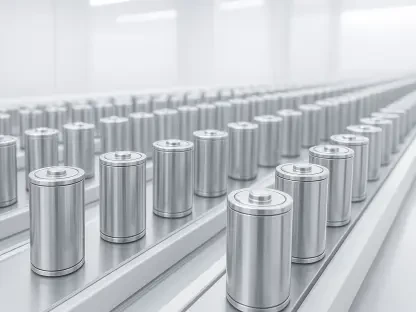
Beyond merely reducing consumption, data centers are increasingly utilizing their extensive on-site energy storage systems to feed electricity back into the municipal grid during critical shortages. Many facilities have invested in massive lithium-ion battery arrays and hydrogen fuel cells originally intended for emergency backup. In the current landscape of 2026, these assets are being repurposed as decentralized power plants that can support local neighborhoods when the primary utility is overextended. When heat waves drive demand beyond capacity, these microgrids can disconnect from the main system and run independently, or even export surplus power to stabilize the surrounding area. This bidirectional energy flow represents a major advancement in urban planning, as it turns energy-intensive hubs into distributed safety nets. Furthermore, the use of large-scale liquid cooling systems within these facilities has reduced their internal power needs, leaving even more capacity available to support public infrastructure during emergencies.
Scaling Solutions for Regional Reliability
Artificial Intelligence in Grid Coordination
The deployment of artificial intelligence has revolutionized the way data centers interact with the broader energy ecosystem, enabling predictive modeling that anticipates grid failures before they occur. By analyzing weather patterns, real-time consumption data, and historical performance metrics, AI-driven management platforms can forecast extreme temperature spikes and prepare the facility for an immediate shift in energy usage. These systems automatically optimize cooling cycles and server distributions to maximize efficiency, ensuring that the facility operates at peak performance with minimal waste. Moreover, the interconnectivity between different data providers allows for a coordinated response across multiple jurisdictions, preventing a single regional failure from cascading into a larger blackout. This level of synchronization was previously impossible, but the emergence of specialized grid-interactive software has made it a standard requirement for high-capacity facilities. The result is a self-healing energy network.
Strategic Infrastructure Planning
The transformation of data centers into grid-stabilizing assets provided a clear roadmap for future energy resilience and infrastructure development across the continent. Stakeholders recognized that the isolation of high-load facilities was no longer sustainable, leading to the implementation of mandatory grid-interactivity standards for all new construction projects. This shift encouraged the widespread adoption of liquid cooling technologies and the integration of renewable energy sources directly into data center sites. Policymakers and utility providers collaborated to create financial incentives for facilities that prioritized grid health over maximum computational throughput during peak periods. These initiatives ensured that the energy sector moved toward a more decentralized and flexible architecture capable of withstanding extreme climatic conditions. Future progress necessitated a continued investment in long-duration energy storage and the expansion of cross-border energy sharing agreements to further solidify the global network.