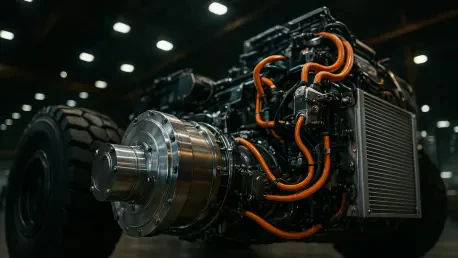

With a payload capacity of 230 tons and dual 800 kW motors, this electric heavy-hauler matches the energy output required to maintain momentum while ascending steep mountain inclines. The arrival of the ZL230E represents a definitive shift in how the global mining industry approaches heavy-duty logistics and environmental stewardship. In previous years, the scale of open-pit mining required massive diesel engines that produced significant carbon emissions and noise. However, the modern engineering landscape has evolved to prioritize electrification as the primary solution for reducing operational costs and meeting global climate targets. This transition is not merely a theoretical exercise but a functional necessity for companies operating in high-altitude regions where fuel logistics are expensive. By integrating high-density battery technology with advanced drive systems, the industry is proving that heavy machinery can operate with surgical precision without the need for traditional combustion.
Engineering Standards: Propulsion and Power Management
Performance Metrics: Dual-Motor Torque Distribution
The core of this machine’s performance lies in its dual-motor configuration, which provides a level of torque and responsive power that traditional diesel engines often struggle to maintain under variable loads. Unlike mechanical transmissions that experience power loss during shifting, the electric drivetrain offers instantaneous energy delivery to the wheels, allowing for smoother acceleration on uneven terrain. This efficiency is further enhanced by a sophisticated power management system that balances the load between the front and rear axles depending on specific incline and surface conditions. The 800 kW motors are designed to operate at peak efficiency for extended periods, reducing the heat signature and mechanical wear common in hydraulic systems. Consequently, operators have observed a significant reduction in scheduled maintenance intervals, as the electric system has fewer moving parts and eliminates the need for complex fuel injection or exhaust after-treatment.
Thermal Systems: Energy Storage and Regulation
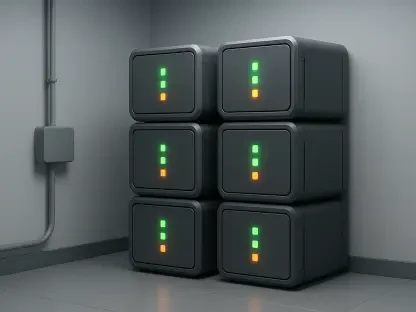
To support such massive power requirements, the energy storage system utilizes a specialized high-density battery pack designed to withstand the harsh vibrations and temperature fluctuations of mining sites. These batteries are equipped with an active liquid cooling system that ensures the cells remain within an optimal thermal range even during rapid charging cycles or heavy uphill hauls. The integration of regenerative braking plays a vital role here, as the kinetic energy generated during downhill descents is converted back into electricity and stored in the battery. This feature effectively extends the operational range of the truck and reduces the physical strain on the mechanical braking components, which is a critical safety factor in deep-pit operations. By optimizing the discharge rates and monitoring cell health in real-time through diagnostics, the system ensures that the energy supply is consistent throughout the entire shift. This approach allows for a predictable operational cadence.
Operational Impact: Infrastructure and Sustainability
Grid Management: Smart Charging and Efficiency
Implementing these electric haulers requires a comprehensive rethink of mine site infrastructure, particularly concerning charging stations and grid connectivity. Modern mines are increasingly deploying high-capacity fast-charging hubs that can replenish a significant portion of the truck’s battery in under an hour, aligning with mandatory operator break times. Furthermore, the modular design of the power system allows for potential battery swapping in environments where continuous 24-hour operation is paramount. This flexibility ensures that the fleet remains productive without being tethered to lengthy downtime periods. Beyond the charging hardware, the integration of smart grid technology allows mine operators to manage peak energy loads and utilize renewable sources like solar or wind power generated on-site. This synergy between the vehicle and the local energy grid minimizes the total cost of ownership while maximizing the environmental benefits of transitioning away from fossil fuels.
Strategic Future: Decarbonization and Industry Legacy
The adoption of the ZL230E provided a clear blueprint for the future of sustainable extraction by demonstrating that carbon neutrality was achievable without sacrificing payload capacity. Mining companies that invested in this transition saw an immediate decrease in their carbon footprint and a stabilization of energy expenditures that were previously subject to the volatility of global oil prices. These early adopters successfully redesigned their logistics chains to favor electric propulsion, which ultimately paved the way for fully autonomous and zero-emission mining ecosystems. Moving forward, the industry focused on standardizing charging protocols and expanding the domestic production of high-grade lithium and cobalt to ensure a resilient supply chain. Operators were encouraged to conduct thorough feasibility studies on their existing power grids before scaling their electric fleets to ensure long-term stability. By prioritizing the upgrade of infrastructure, the sector secured a cleaner operational legacy.