
The global energy landscape is currently grappling with a paradox of cooling prices and heating hostilities as market participants struggle to price in the risk of supply disruptions across the Persian Gulf. Sharp surges in oil prices have been punctuated by extreme volatility, triggered by an escalation in military engagements. Investors now find themselves caught in a tug-of-war between the hope for diplomatic breakthroughs and the sobering reality of physical conflict in the world’s most critical production region.
Historical Foundations of Persian Gulf Energy Security
For decades, the Strait of Hormuz has served as the most important transit chokepoint for global energy security. Past shifts in regional power dynamics established a pattern where military tension directly dictates commodity pricing. These historical factors matter because they conditioned market participants to react swiftly to any disruption, creating a geopolitical risk premium that keeps prices elevated even when physical supply remains largely intact.
Analyzing the Mechanics of Modern Market Volatility
The Impact of Kinetic Conflict on Commodity Pricing
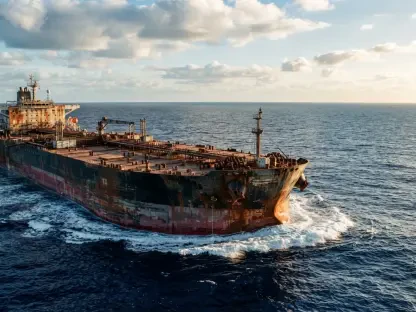
Direct military actions, such as intercepted missile strikes and the disabling of tankers, highlight tangible risks to global supply chains. Despite these kinetic events, market contracts recently saw weekly losses, illustrating deep-seated confusion among traders. The market continues to price in the threat of war while simultaneously betting on the possibility that these actions remain contained skirmishes.
The Fragility of Diplomatic De-escalation Efforts
Ongoing peace negotiations add another layer of complexity to the current energy market. While formal proposals often face high expectations, financial institutions maintain a cautious outlook. The risk of a diplomatic breakdown acts as a floor for oil prices, as the market cannot fully discount the possibility of a major supply disruption as long as negotiations remain unresolved.
Misconceptions Regarding Regional Supply Resilience
Market volatility is driven by rising maritime security and insurance costs as much as by the actual volume of oil being pumped. The common misconception that a ceasefire alone will return prices to baseline levels ignores the long-term damage to regional infrastructure. Furthermore, a persistent trust deficit now exists between major exporters and global consumers, complicating any return to stability.
Forecasting the Shift: Innovation and Regulatory Responses
Technological advancements in maritime defense and autonomous surveillance may eventually mitigate some risks associated with tanker transit in volatile waters. On the economic front, persistent instability is accelerating regulatory shifts toward energy diversification in Western economies. Predictions suggest that underlying volatility will persist as long as fundamental tensions remain unresolved, leading to a fragmented energy landscape.
Strategic Considerations for Stakeholders in an Uncertain Era
Organizations should prioritize energy hedging to protect against sudden price spikes caused by regional flare-ups. Supply chain managers must diversify sourcing to include regions with lower geopolitical risks, even if the initial costs are higher. Finally, market participants should focus on the technical details of peace proposals and maritime blockades to achieve a more accurate approach to risk management.
The Enduring Shadow of Conflict over Oil
The recent hostilities served as a reminder that oil remained the world’s most politically sensitive commodity. While diplomatic efforts offered a glimmer of hope, the physical reality of disabled tankers and missiles ensured that volatility remained a defining characteristic of the market. Ultimately, the stability of the global economy stayed linked to the security of the Persian Gulf, where the risk premium functioned as a persistent tax on global growth. This environment required that investors remained vigilant toward shifting geopolitical alliances.