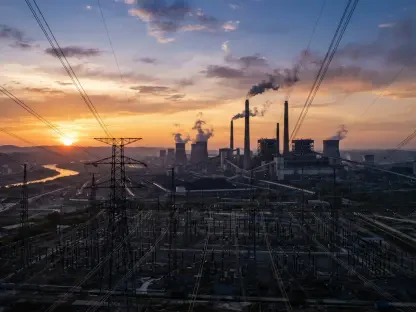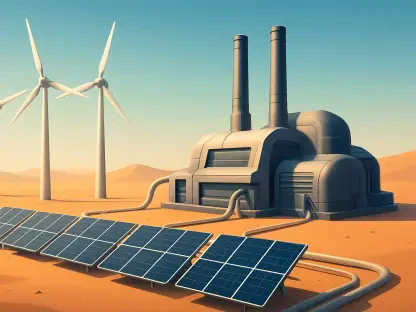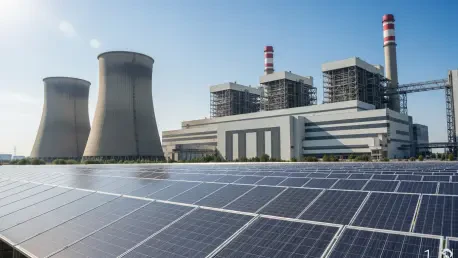

The global energy transition is currently navigating a complex paradox where the plummeting costs of solar and wind power have failed to trigger the immediate collapse of coal-fired generation. While the levelized cost of energy for new renewable projects has dropped significantly below that of existing fossil fuel plants, the transition remains hindered by deep-seated structural and financial realities. In many regions, coal continues to serve as a foundational pillar of the electrical grid, resisting the economic pressure of cheaper, cleaner alternatives through a combination of existing infrastructure and long-term contracts. This persistence is not merely a matter of technological lag but is instead rooted in the massive investments made in traditional power systems over the last several years. Understanding why this fuel remains relevant in 2026 requires looking beyond the price of generation to examine the logistical and financial frameworks that prioritize system reliability.
Structural Inertia and Economic Realities
Legacy Assets and Financial Commitments
The survival of coal is heavily tied to the massive capital expenditures already funneled into existing power plants and the long-term debt cycles associated with them. Utility companies often operate plants that were commissioned as recently as the start of the current decade, meaning these assets have not yet reached their financial break-even point. Retiring a coal plant before its scheduled end-of-life creates stranded assets, which can lead to significant financial losses for investors and higher rates for consumers if the debt is not restructured. Furthermore, many of these facilities are protected by long-term power purchase agreements that guarantee a market for their electricity regardless of cheaper alternatives being available on the spot market. These contractual obligations create a rigid environment where renewable energy, despite its lower cost, cannot easily displace coal without incurring massive legal penalties or requiring government bailouts to cover the outstanding debts.
Technical Reliability and Grid Integration
Technological challenges regarding grid stability represent another significant barrier to the rapid phase-out of coal-fired generation in the current energy landscape. Modern electrical grids require a consistent baseload of power to maintain a steady frequency and voltage, a role that large, spinning turbines in coal plants naturally provide through mechanical inertia. While battery storage and green hydrogen technologies are advancing rapidly from 2026 to 2030, they have not yet reached the scale or duration necessary to fully replace the reliable output of a coal plant during prolonged periods of low wind or solar availability. Grid operators are often cautious about retiring reliable thermal capacity until they are certain that renewable backups can handle extreme weather events or seasonal fluctuations. This reliance on firm power ensures that coal remains in the mix as a safety net, providing a level of dispatchable energy that intermittent sources cannot match without expensive storage.
Global Geopolitics and Energy Security
Regional Resource Dependence and Economic Stability
For many emerging economies, the persistence of coal is a matter of national security and economic sovereignty rather than a simple preference for fossil fuels. Countries like India and China possess vast domestic coal reserves that provide a cheap and secure energy source, insulating them from the price volatility of the international liquefied natural gas market. Utilizing local coal supports domestic mining industries and provides millions of jobs, making the transition a sensitive socioeconomic issue that goes far beyond environmental concerns. These nations are balancing the urgent need for decarbonization with the immediate requirement to provide affordable electricity to growing populations and expanding industrial sectors. While they are installing record amounts of solar and wind capacity, coal remains the primary tool for meeting the surging demand that renewables alone cannot yet satisfy. This dual-track approach ensures energy security while the green transition infrastructure is built.
Future Strategies for Grid Modernization
The path forward involved a more nuanced integration of traditional and renewable sources rather than an abrupt abandonment of existing systems. Engineers focused on retrofitting coal plants with carbon capture and storage technology to mitigate emissions while maintaining the stability and reliability that these facilities offered to the grid. In 2026, many pilot programs shifted toward using coal sites as hubs for new energy technologies, utilizing existing transmission lines and cooling systems to house large-scale battery arrays or nuclear small modular reactors. Policymakers also recognized the importance of creating financial mechanisms that allowed utilities to retire coal assets early without destabilizing their balance sheets or the broader economy. By treating the transition as a systemic evolution rather than a simple replacement of fuels, stakeholders successfully began to bridge the gap between economic theory and practical grid management. This strategy ensured the transition remained affordable.