
New York state agencies have identified energy-efficient appliances with the EnergyStar label as the gold standard for reducing cumulative household utility expenses. As the 2026 winter season approaches, New York State has unveiled an aggressive strategy to help residents combat the rising financial pressure of seasonal heating costs. Led by the Division of Consumer Protection, this initiative serves as a unified response from various state agencies, including the Office of Temporary and Disability Assistance and the Public Service Commission. The plan acknowledges that energy bills represent a significant economic burden for low-to-middle-income households and aims to provide a clear roadmap for relief. By synthesizing direct financial aid with long-term infrastructure improvements, the state hopes to stabilize household budgets before the first sub-zero temperatures arrive. This multifaceted approach moves beyond simple emergency measures to address the systemic issue of energy poverty across the state. Secretary of State Walter T. Mosley emphasizes that the core of the 2026 plan is proactive management, encouraging residents to act early rather than waiting for a financial crisis. The strategy combines immediate bill subsidies with weatherization and modernization programs designed to ensure homes are structurally capable of retaining heat, better preparing New Yorkers for the energy demands of the current season and those to come.
Expanding Financial Support and Systemic Relief
Direct Subsidy Programs and Income-Based Billing
The Energy Affordability Program (EAP) marks a significant evolution in state policy by introducing an income-proportionate model for utility billing throughout the 2026 season. Under the leadership of Public Service Commission Chair Rory M. Christian, the program has been restructured to ensure that monthly electric and natural gas bills do not exceed 6% of a household’s total income. This cap provides a vital safety net, particularly as eligibility has expanded to include nearly half of all New York households. This shift in policy treats energy access as a fundamental right, aiming to prevent the accumulation of insurmountable utility debt for families struggling with the lingering effects of inflation. By anchoring costs to income, the state creates a predictable financial environment where residents are no longer forced to choose between heating and other essential needs. This systemic change reflects a broader commitment to economic stability, ensuring that utility costs do not become a barrier to household solvency during the coldest months of the year. The restructuring also streamlines the application process, allowing for faster processing of requests as temperatures begin to drop across the northern counties, providing immediate peace of mind to millions of residents who previously felt underserved by traditional assistance.
Utility Debt Management and Modernization Grants
In addition to the EAP, the Home Energy Assistance Program (HEAP) remains a critical resource for older adults and low-income families during the 2026 winter push. Managed by the OTDA, HEAP provides direct financial benefits to cover the essential costs of heating fuel and electricity, preventing the domestic upheaval often caused by extreme weather and sudden spikes in commodity prices. Furthermore, NYSERDA provides modernization grants and low-interest loans for energy-efficiency projects that offer long-term solutions to high utility costs. Through the MyEnergy portal, residents can access professional assessments and funding to address the root causes of high bills, such as outdated heating systems and poor home insulation. These grants are specifically designed to transition older housing stock into the modern era, reducing the overall carbon footprint while simultaneously lowering the financial burden on the occupants. By focusing on physical infrastructure, the state ensures that assistance is paired with tangible improvements that reduce the amount of energy required to maintain a comfortable living environment. This dual-track strategy acknowledges that while subsidies provide immediate relief, physical efficiency is the only way to achieve sustainable affordability in the long term for the state’s diverse population.
Empowering Consumers Through Education
Strategic Resource Guides for Expense Reduction
The state’s strategy places a heavy emphasis on consumer education, transforming the Division of Consumer Protection into a primary hub for financial literacy as the 2026 winter commences. The Money Savings Guide and the Home Heating with Oil and Propane Guide offer over 75 specific strategies to help residents reduce their monthly expenses through informed decision-making. These documents are more than simple pamphlets; they serve as comprehensive manuals that break down complex energy markets into actionable advice for the average homeowner. By providing clear data on fuel types and pricing structures, the state empowers consumers to shop more effectively for their energy needs. The guides also highlight the importance of understanding utility contracts, particularly for those using third-party providers where rates can fluctuate wildly based on market demand. Education is viewed as a preventative tool that reduces the likelihood of households falling into energy debt due to a lack of information or market confusion. By arming citizens with these resources, New York is fostering a more resilient population that can navigate the complexities of modern utility billing with confidence. This initiative underscores the belief that a well-informed consumer is the first line of defense against rising costs.
Community Outreach and Legal Rights Workshops
Beyond written materials, the state has deployed specialized outreach teams to conduct workshops and webinars throughout the latter half of 2026. These sessions are designed to clarify complex billing options, such as levelized payment plans that spread high winter costs across the entire year, and to inform consumers of their legal rights when dealing with utility providers. Many residents are unaware of the protections afforded to them under the Home Energy Fair Practices Act, which limits the ability of utilities to shut off service during extreme cold. The outreach teams work directly with community organizations to ensure that this information reaches the most vulnerable populations, including non-English speakers and those in rural areas with limited internet access. These educational efforts are complemented by a robust consumer complaint system that allows residents to report unfair practices directly to state regulators, ensuring that the benefits of the affordability plan are realized at every local level. By bridging the gap between state policy and community awareness, these workshops ensure that the benefits of the plan are realized on the ground. The goal is to create a transparent relationship between utility companies and consumers where rights are clear and assistance is accessible.
Technical Improvements for Maximum Efficiency
Structural Weatherization and Heating Maintenance
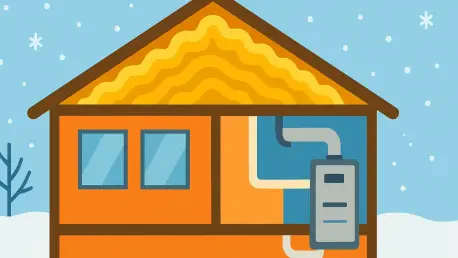
To achieve immediate savings, state experts recommend focusing on the envelope of the home to prevent energy loss during the 2026 cold spells. Simple actions, such as sealing cracks around windows with caulk, insulating attics, and removing or wrapping window air conditioning units, can significantly reduce the amount of fuel required to keep a home warm. These low-cost interventions often provide the highest return on investment by stopping drafts that force heating systems to run continuously. For those using radiators, the state suggests installing heat-resistant reflector panels between the unit and the exterior wall to ensure that heat is directed back into the room rather than being absorbed by the building’s structure. Ensuring that airflow is not blocked by heavy furniture or long curtains is another critical step in maintaining efficient heat distribution. These structural adjustments are complemented by annual furnace tune-ups, which ensure that mechanical systems operate at peak efficiency throughout the winter months. When a heating system is properly maintained, it uses less energy to achieve the same temperature, extending the life of the equipment and lowering monthly costs. These practical measures allow residents to take immediate ownership of their energy consumption without requiring major capital.
Thermostat Regulation and Automated Efficiency
Thermostat regulation is highlighted as one of the most effective behavioral changes a resident can make during the 2026 winter season. The Division of Consumer Protection notes that lowering the temperature by just one degree can lead to a 3% reduction in fuel consumption, a small adjustment that results in significant cumulative savings over time. Furthermore, the use of programmable thermostats can cut overall bills by up to 20% by automating temperature changes based on the household’s daily routine. By lowering the heat when a home is empty or when residents are sleeping, these devices ensure that energy is not wasted on unoccupied spaces. Modern thermostats also provide valuable data on usage patterns, allowing consumers to see exactly when and where their energy dollars are being spent. This transparency encourages more mindful consumption and helps residents identify further opportunities for savings. By integrating technology with behavioral shifts, the state provides a clear path for residents to take control of their consumption patterns and reduce their environmental footprint. This approach demonstrates that even small, technology-driven changes can have a profound impact on the overall affordability of maintaining a home in a cold climate, providing residents with the tools they need to manage their budgets effectively.
Future Readiness: Strategic Program Implementation
Evaluating State Initiatives and Consumer Protections
The 2026 Winter Energy Affordability Plan successfully established a new framework for consumer protection by integrating financial aid with technical efficiency. State agencies coordinated their efforts to ensure that the most vulnerable populations received targeted support, while broader policy changes like the 6% income cap created a more equitable utility landscape for all residents. This comprehensive approach moved the needle from reactive crisis management to proactive household stabilization, proving that a combination of education and infrastructure is the most effective way to combat energy poverty. As the season progressed, the data collected from the MyEnergy portal and outreach workshops provided valuable insights into where additional resources were most needed, allowing the state to refine its delivery of services for the coming years. The coordination between the Public Service Commission and local utilities ensured that the new billing caps were implemented accurately, reducing the incidence of billing disputes and service interruptions. This systemic evaluation confirmed that centralized digital resources, like the streamlined application portals, significantly increased program participation among families who had previously struggled with complex bureaucratic requirements during past winter seasons.
Actionable Next Steps for Long-Term Energy Management
Moving forward, New Yorkers should prioritize scheduling home energy audits during the milder months to stay ahead of future price fluctuations and seasonal demands. Investing in weatherization projects early and familiarizing oneself with the full range of available state grants remained the most effective long-term defense against rising utility costs. Residents were encouraged to adopt the habit of checking the EnergyStar ratings of any new appliances, as these smaller investments cumulative impact the overall efficiency of the domestic environment. Additionally, staying informed about legal protections and participating in state-led webinars provided consumers with the leverage needed to negotiate better terms with service providers. For those utilizing oil or propane, setting up automatic delivery schedules and exploring fixed-price contracts during the off-season helped mitigate the risks associated with winter market volatility. The success of the 2026 initiative demonstrated that individual actions, when supported by robust state programs, create a sustainable path toward energy security. By maintaining the upgrades made to their home envelopes and continuing to utilize programmable technology, households were able to transition from temporary relief to permanent energy savings, ensuring a more stable financial outlook regardless of future weather patterns.