
A decline in imported coal for domestic coal-based power plants reflects a successful transition toward a more resilient and self-sufficient supply chain. As of August 2026, the primary energy indicators suggest that the nation is increasingly capable of fueling its industrial heartland with indigenous resources rather than relying on the volatility of international markets. The latest figures from the Ministry of Coal reveal that total coal imports dropped by 5.83% year-over-year, falling from 111.05 million tonnes in August 2025 to 104.57 million tonnes in the same month of the current year. This shift is not merely a statistical anomaly but a byproduct of a deliberate strategy to bolster domestic extraction and streamline internal logistics. By reducing the volume of foreign coal entering the ecosystem, the government is effectively shielding the domestic economy from global price fluctuations while ensuring that the infrastructure supporting power generation remains robust and reliable during peak demand periods.
Shifting Patterns: The Power Sector and Domestic Blending
The specific dynamics within the power sector illustrate why this transition is gaining significant momentum across the country. Data indicates a 6.39% reduction in overall imports for energy production, with the most striking improvement observed in coal imported for blending at domestic coal-based power plants. These facilities saw a staggering 35.23% decrease in their reliance on foreign inputs, with volumes plummeting from 4.64 million tonnes to just 3.00 million tonnes over the past twelve months. Such a dramatic reduction highlights that the quality and consistent availability of domestic coal have finally reached a threshold where foreign supplementation is no longer a technical necessity. While plants specifically designed to run on imported coal saw a marginal increase of 0.98% in their import volumes, this is largely attributed to the fixed technical specifications of their boilers. However, the overarching trend remains clear: the integration of local coal into the national grid is becoming more efficient.
Looking beyond the immediate power generation figures, the broader trajectory toward energy independence is evidenced by the declining share of imports in total national coal consumption. This share decreased by 1.90 percentage points, settling at a lean 19.30%, which signifies a healthier balance between local production and foreign procurement. Even the steel sector, which historically struggles with domestic supply constraints, witnessed a 4.18% decline in coking coal imports. Although indigenous coking coal reserves are naturally limited in quality compared to global benchmarks, the reduction suggests that local processing and beneficiation efforts are beginning to yield tangible results. The government strategy now prioritizes increasing domestic offtake through structured agreements and long-term contracts. This comprehensive approach ensures that various industrial sectors can plan their operational costs with greater certainty, knowing that the supply chain is anchored within national borders and protected from external shocks.
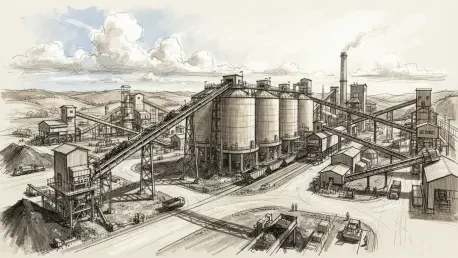
The successful mitigation of import dependency was largely driven by aggressive investments in First Mile Connectivity and the modernization of coal evacuation infrastructure. Through coordinated logistics between the Ministry of Railways and Coal India Limited, the government ensured a steady and uninterrupted flow of fuel to thermal power plants. These structural improvements addressed historical bottlenecks that previously forced utilities to look abroad for reliable supply. Moving forward, the focus shifted toward further upgrading coal washeries and expanding the rail-sea-rail corridors to minimize transport costs for coastal regions. By optimizing local resources and enhancing technical capacity, the nation demonstrated a clear path toward minimizing the volatility of international energy markets. This transition not only secured the immediate energy needs of the industrial sector but also established a framework for sustainable resource management that prioritized national interests and fiscal stability over external energy procurement.