
Escalation in the Strait of Hormuz Triggers Global Energy Shock
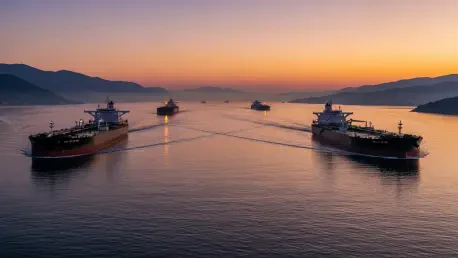
The sudden seizure of commercial vessels by the Iranian Revolutionary Guard has shattered the relative calm of global energy markets, propelling Brent crude oil prices into triple-digit territory for the first time in years. This aggressive posture in the Strait of Hormuz follows a collapse in negotiations, signaling a shift from diplomatic posturing to direct maritime interference. Investors are now grappling with the realization that a temporary ceasefire extension is insufficient to guarantee the safety of the world’s most vital energy transit route.
The Historical Precedent of Energy Brinkmanship
The Strait of Hormuz has long served as a pressure point where regional friction translates into global economic pain. Historically, maritime interference has been a primary tool for Tehran to counter Western economic sanctions and naval blockades. This cycle of escalation reflects a deeper strategy of using geographic leverage to disrupt supply chains, effectively turning the energy trade into a battlefield where commercial confidence is the first casualty.
Analyzing the Mechanics of Global Supply Disruptions
The Strategic Leverage of Maritime Chokepoints
Controlling the flow of oil through this narrow passage allows for a unique form of economic warfare. Current data indicates that while ships are technically allowed to pass, soaring insurance premiums and security risks have forced a significant reduction in tanker traffic. This creates a de facto supply shortage that sustains high price levels regardless of official production quotas.
Collapsed Diplomacy and the Failure of Temporary Ceasefires
Recent failures in regional peace talks have left a vacuum that military forces are now filling. Although some political leaders attempted to maintain a window for dialogue, the market has interpreted the lack of a formal agreement as a precursor to further instability. The risk premium is no longer a theoretical calculation but a permanent fixture of energy pricing.
Internal Fractures and the Iranian Endurance Gamble
The situation is complicated by competing interests within the regional leadership. Hardline factions appear intent on sabotaging moderate diplomatic efforts to test the economic resolve of the West. This strategy assumes that high energy costs will eventually force major concessions, even if it requires enduring significant domestic economic hardship in the short term.
Navigating the New Era of Volatile Energy Markets
Energy security is increasingly defined by continuous crisis management rather than stable long-term planning. Governments are likely to accelerate the diversification of supply routes and increase investments in autonomous maritime security technologies. These shifts suggest that the traditional reliance on specific chokepoints is being reevaluated to prevent future price shocks toward $120 per barrel.
Strategic Recommendations for a High-Risk Oil Environment
To mitigate these risks, organizations must adopt robust hedging strategies and seek alternative logistics paths that bypass high-risk zones. Investing in efficiency and diversifying energy sources will provide a buffer against the weaponization of trade. Intelligence gathering regarding geopolitical shifts must become a core component of financial risk assessment to stay ahead of sudden market swings.
The Long-Term Stakes of the Persian Gulf Standoff
The recent events underscored the fragility of the global energy architecture when faced with coordinated maritime disruption. This crisis forced a reexamination of how nations secured their vital interests in an increasingly multipolar world. Ultimately, the shift toward higher baseline prices provided the necessary catalyst for systemic changes in global trade and resource management. Strategic reserves were reevaluated, and new transit protocols offered a path toward increased resilience.