
The decision to integrate organic waste-derived fuel into the heart of India’s energy infrastructure marks a pivotal shift toward a more circular and self-reliant economy. The Petroleum and Natural Gas Regulatory Board has established a comprehensive blueprint to govern how compressed biogas enters national pipelines. This regulatory evolution serves as a bridge, connecting decentralized production sites with high-demand urban centers and industrial zones.
By providing clear technical guidelines, the authorities aim to remove the uncertainty that previously hindered large-scale investment in green fuel. Readers can expect to learn how these protocols stabilize the market and what this means for the broader energy landscape. The goal is to create a seamless transition where renewable gas becomes a staple in the domestic energy mix, supporting environmental and economic objectives.
Key Questions: Shaping the Future of Green Gas
How Does the New Policy Ensure Technical Consistency Across Grids?
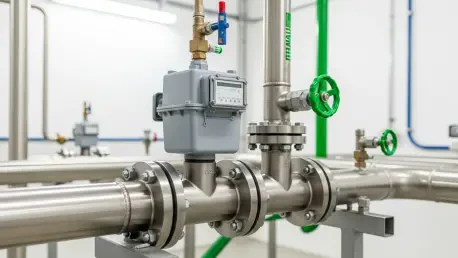
Before these rules, project developers faced inconsistent technical demands that made grid synchronization difficult and expensive. Now, the board specifies exact standards for gas quality, odorization, and real-time monitoring to maintain the integrity of the pipeline system. These uniform requirements ensure that every cubic meter of injected biogas meets the same safety benchmarks as fossil-based methane.
Moreover, the framework streamlines the planning of physical infrastructure. By defining the responsibilities of both the producer and the grid operator, the guidelines reduce the friction typically associated with interconnection agreements. This structured approach helps investors forecast costs more accurately, making green fuel projects significantly more attractive to financial institutions looking for stable, regulated assets.
Why Is the Integration of Biogas Critical for Regional Sustainability?
Traditional waste management often leads to environmental degradation, such as the open burning of crop residue that plagues air quality. By incentivizing the conversion of agricultural waste and municipal trash into compressed biogas, the government creates a powerful economic engine for waste collection. This process turns a liability into a high-value commodity, providing farmers with a secondary income stream while cleaning up the environment.
Additionally, the domestic production of this renewable gas directly addresses energy security by lowering the reliance on imported liquefied natural gas. As the system scales, the reduction in carbon emissions contributes to national climate targets while fostering job growth in rural engineering and logistics sectors. The move effectively decentralizes energy production, allowing communities to leverage their own organic resources to power national industries.
Summary: A Unified Market Blueprint
This unified regulatory approach provides the necessary clarity to transform the compressed biogas sector from a niche industry into a mainstream energy source. The focus on safety and standardized quality ensures that consumers receive a consistent product while grid operators manage their assets without technical disruptions. These measures ultimately stabilize the supply chain, making renewable gas a reliable component of the national energy mix.
The framework also encourages a more robust market for renewable energy by facilitating better access to end-users. By standardizing design requirements, the board has created a scalable method for incorporating locally produced gas. This transition is expected to yield long-term socio-economic benefits, including enhanced financial viability for project developers and lower overall carbon footprints for the transportation and industrial sectors.
Conclusion: Final Thoughts on Energy Transition
The establishment of these rules demonstrated a commitment to a cleaner energy future where waste management and fuel production were no longer treated as separate issues. This framework paved the way for local communities to become active participants in the national economy through sustainable resource recovery. It signaled to the international market that the domestic gas infrastructure was ready for advanced green technology.
Stakeholders should have looked toward regional waste mapping as the next logical step to optimize plant placement and feedstock logistics. Focusing on the expansion of local collection networks ensured that the momentum created by these regulations was fully realized. The strategic alignment of policy and technology successfully transformed organic waste into a pillar of national energy security.