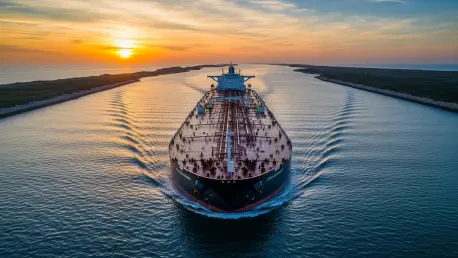

Global energy markets experienced a seismic shift this Friday as international benchmark Brent crude surged past the hundred-dollar threshold following high-stakes diplomatic discussions between the United States and China. The sudden pivot from trade negotiations with President Xi Jinping to a more aggressive posture regarding the ongoing Iranian conflict sent ripples through trading floors, driving Brent crude up by over three percent to reach one hundred nine dollars per barrel. Simultaneously, U.S. West Texas Intermediate saw an even more pronounced increase of four percent, settling at one hundred five dollars as investors braced for potential disruptions in the Middle East. This price action underscores the extreme sensitivity of the global economy to the stability of the Strait of Hormuz, where any perceived escalation in military or political friction immediately translates into higher costs for consumers and industries worldwide. Market participants are now closely monitoring the White House for further signs of an impending policy shift.
Strategic Alliances: The Role of Maritime Security
The primary catalyst for this recent volatility originated from a public interview where President Trump expressed a dwindling level of patience regarding the refusal of the Iranian government to reach a comprehensive diplomatic agreement. In a surprising revelation, the administration suggested that China’s leadership now shares a common desire to see the Strait of Hormuz reopened to unrestricted traffic without the burden of Iranian maritime tolls. Furthermore, claims were made that President Xi Jinping has agreed to halt the sale of military equipment to Tehran, a move that would significantly isolate the Iranian defense sector. Supporting this narrative, Treasury Secretary Scott Bessent indicated that Beijing is economically incentivized to work behind the scenes to ensure the stability of the strait, as global trade flows remain essential for Chinese industrial growth. These assertions have created a complex environment where geopolitical pressure and economic interests are becoming increasingly intertwined.
Diplomatic Divergence: Assessing the Path Ahead
Despite the assertive rhetoric from Washington, a notable divergence existed between American claims and the public statements issued by the Chinese Foreign Ministry. While the U.S. administration framed China as a willing partner in pressuring Iran, Beijing maintained a strictly neutral and diplomatic stance, emphasizing that the use of military force remained a dead end for regional stability. Chinese officials conspicuously avoided any direct mention of the Strait of Hormuz or specific restrictions on military exports during their subsequent briefings. Additionally, while reports surfaced regarding China’s agreement to significantly increase purchases of American oil from Texas and Alaska, these deals lacked official validation from authorities in Beijing. Moving forward, energy stakeholders should have prioritized the diversification of supply chains to mitigate the risks of sudden maritime blockades. Analysts recommended that corporations engaged in international trade intensified their monitoring of trilateral relations to navigate this volatile landscape effectively.