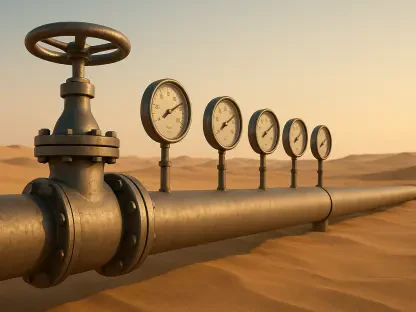

The silent expansion of underground pipelines is fundamentally reshaping how millions of Indian households access energy, moving away from the visible logistics of heavy cylinders toward a seamless, invisible flow. This transition represents a deliberate pivot by the Ministry of Petroleum and Natural Gas (MoPNG) to modernize urban infrastructure. By prioritizing City Gas Distribution (CGD) networks, the nation is building a more resilient energy backbone that reduces the traditional friction associated with fuel delivery.
This strategic evolution serves a dual purpose by enhancing domestic convenience while insulating the economy from the price swings of international fuel markets. Major Oil Marketing Companies (OMCs) are now focusing on Piped Natural Gas (PNG) as the primary solution for urban centers. This shift effectively mitigates the risks of supply chain disruptions that often plague imported liquefied fuels, ensuring that energy remains a stable utility rather than a fluctuating commodity.
Modern Trends and Market Dynamics Shaping the Energy Landscape
Emerging Technologies and Consumer Behavior in Domestic Energy
Digital integration has become the cornerstone of this energy overhaul, with online bookings for gas services reaching a staggering 98% adoption rate. To maintain this momentum and ensure transparency, the government has introduced the Delivery Authentication Code (DAC) system. This technological safeguard currently validates over 92% of transactions, effectively closing the loopholes that previously allowed for fuel diversion and unauthorized usage.
Beyond simple gas delivery, a dual-track strategy is encouraging citizens to explore both PNG and electric cooking technologies. This approach promotes sustainability by allowing consumers to voluntarily surrender their traditional LPG connections in favor of more streamlined and environmentally friendly systems. These modern behaviors are creating a more accountable energy ecosystem where data-driven management replaces manual oversight.
Growth Projections and the Scaling of Gas Infrastructure
Recent milestones reflect the rapid pace of this transition, with 405,000 new domestic PNG connections coming online in the latest growth phase. This expansion is supported by the strengthening of the National Gas Grid, which acts as the circulatory system for the country’s energy needs. As this network grows, it creates a buffer against external shocks, allowing for more consistent supply chain resilience across diverse geographic regions.
Current market forecasts suggest that natural gas will occupy a significantly larger portion of the primary energy mix over the coming years. To support this demand, high-capacity refinery operations are maintaining peak efficiency to ensure that inventories of crude and refined products remain robust. This industrial readiness ensures that the transition to gas does not compromise the availability of other essential liquid fuels.
Overcoming Structural and Logistical Obstacles in Gas Adoption
The path to universal gas access involves navigating the complexities of “last-mile” connectivity in crowded urban environments. Laying infrastructure in densely populated areas requires precise planning and coordination to avoid service interruptions. Despite these challenges, the government is prioritizing gas allocations for essential public services, ensuring that hospitals and schools have uninterrupted access to energy regardless of market pressures.
To ensure market integrity, authorities are aggressively tackling inefficiencies such as hoarding and illegal cylinder diversion. Clear communication strategies are being used to educate the public on the reliability of PNG, which helps prevent the panic buying behaviors that often lead to artificial shortages. By stabilizing consumer expectations, the energy sector can focus on long-term infrastructure improvements rather than short-term crisis management.
Strengthening the Regulatory Framework and Market Integrity
Legal enforcement has seen a significant uptick, characterized by nationwide raids and the seizure of illegal fuel stocks to protect legitimate consumers. Strict compliance mandates have led to the penalization of several distributorships that failed to meet safety or service standards. This rigorous oversight is essential for maintaining the public trust necessary to drive the large-scale adoption of new energy technologies.
Regulatory bodies are also standardizing installation protocols to ensure that every new PNG connection meets international safety benchmarks. By enforcing these rules, the government provides a sense of security that encourages more households to make the switch. Continuous monitoring of refinery production further ensures that the energy security strategy is backed by tangible output and strict legal accountability.
The Future of Energy Security: Innovation and Global Positioning
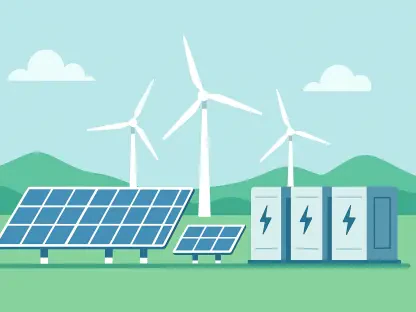
The integration of PNG with decentralized renewable energy sources marks the next frontier for the national strategy. As geopolitical volatility continues to influence global policies, the drive toward self-reliance becomes even more critical. Emerging technologies, such as IoT-enabled gas monitoring and smart meters, are expected to provide consumers with real-time data on their energy usage, further optimizing the efficiency of the national grid.
India is positioning itself as a leader in sustainable urban energy management by creating a blueprint that other developing nations can follow. The focus remains on building a system that is not only technologically advanced but also socially inclusive. This forward-looking roadmap emphasizes the importance of adaptability in an ever-changing global energy landscape.
Conclusion: Building a Resilient and Transparent Energy Future
The strategic shift toward Piped Natural Gas provided a necessary framework for stabilizing the domestic energy market against global uncertainties. Policymakers successfully balanced infrastructure growth with strict regulatory enforcement, ensuring that digital transparency became the standard rather than the exception. These efforts paved the way for a more accountable system that prioritized the needs of essential institutions and households alike.
Moving forward, the focus should shift toward integrating carbon-capture technologies and hydrogen blending into existing gas networks to further reduce the national carbon footprint. Consumers might benefit from adopting tiered smart-pricing models that reward energy efficiency during peak hours. By maintaining the momentum of the current transition, the nation positioned itself to achieve a decentralized and highly resilient energy future.