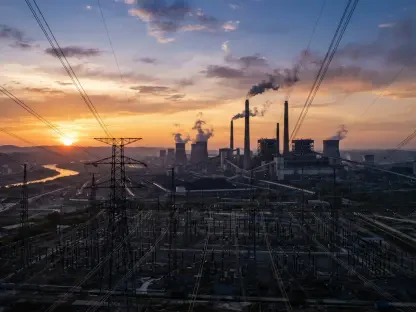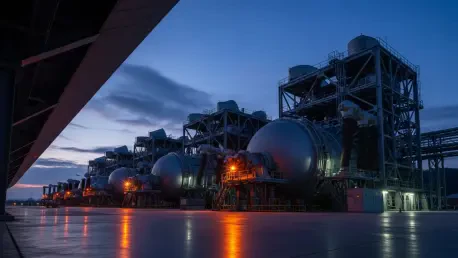

The vibrant rhythm of Havana has been replaced by a heavy, breathless silence as a total collapse of the national energy grid plunges millions into an unprecedented era of darkness. When the sun sets over the capital, the city no longer glows; it vanishes into a blackout that now stretches up to 22 hours a day. With reserves of crude oil, fuel oil, and diesel officially exhausted, a nation of eleven million people is attempting to survive on a dwindling supply of domestic natural gas. This is not merely a technical failure, but a systemic evaporation of the resources required to maintain modern life, leaving citizens to navigate a landscape where electricity has become a rare luxury rather than a public utility.
Twenty-Two Hours of Darkness: The Reality of a Total Energy Collapse
The paralysis of the power grid has forced a fundamental shift in daily existence. As the national supply of fuel oil reached zero, the government was forced to prioritize only the most essential services, leaving residential neighborhoods in perpetual shadow. The reliance on domestic natural gas remains the only thread holding the grid together, yet this resource is fundamentally insufficient to meet even a fraction of the national demand.
The Anatomy of a Grid Failure and Its Humanitarian Toll
This collapse marks a critical turning point as the “extremely tense” state of the grid reaches a breaking point. The crisis transcends economics, directly impacting food preservation, water sanitation, and healthcare delivery across every province. As domestic natural gas remains the only functional source, the disconnect between human needs and available infrastructure reached a catastrophic threshold. Without power, the systems that sustain life—from refrigeration to hospital equipment—began to falter, threatening to turn a temporary shortage into a permanent humanitarian emergency.
Geopolitical Strangles and the End of the Venezuelan Lifeline
The current paralysis resulted from a tightened U.S. fuel blockade initiated in early 2026, following a transformative shift in regional politics. For decades, Cuba relied on a steady flow of Venezuelan petroleum, a lifeline that was abruptly severed following the U.S. military operation that removed Nicolás Maduro from power. By designating the Cuban government an “unusual and extraordinary threat,” the Trump administration effectively isolated the island from global markets. This strategy of maximum pressure transitioned from economic sanctions to a total energy siege, leaving the industrial sector in a state of terminal decline.
Civil Unrest and the “Extremely Tense” Official Outlook
Energy Minister Vicente de la O Levy categorized the situation as unprecedented, a sentiment echoed by residents who took to the streets in protest. These demonstrations, characterized by road blocks and public demands for basic utilities, highlighted a growing friction between the state and a population pushed to its limit. Expert observers noted that the government’s inability to provide a timeline for restoration fueled a sense of desperation. The lack of diesel brought public transportation and food distribution to a grinding halt, turning the energy crisis into a catalyst for widespread civil instability.
The Aid Ultimatum: Balancing Political Reform Against National Survival
The path toward stability remained blocked by a complex diplomatic deadlock involving a $100 million humanitarian aid offer from the U.S. State Department. This framework for relief was strictly conditional, requiring “meaningful reforms” to the communist system in exchange for the fuel necessary to restart the grid. Cuban leadership faced a high-stakes choice between political restructuring and national suffering. Future considerations suggested that a pivot toward decentralized renewable energy could provide a long-term roadmap for sovereignty, though the immediate survival of the population remained tethered to the outcome of this grueling geopolitical standoff.