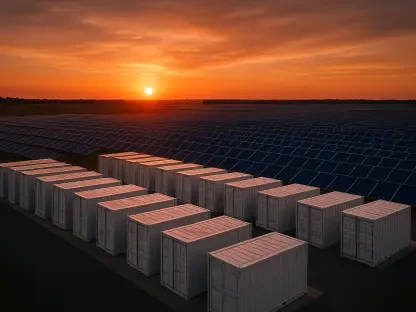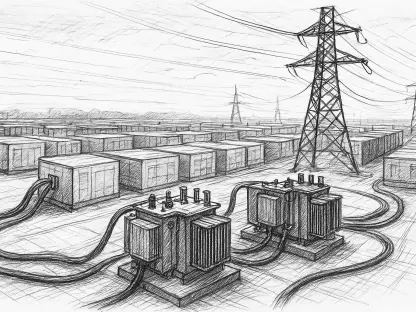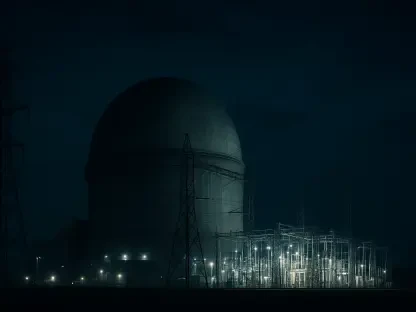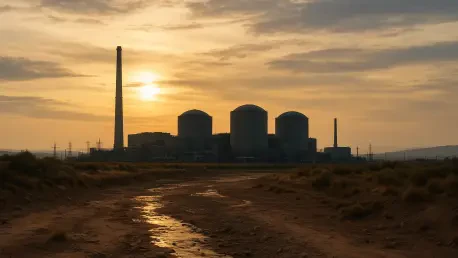

The rugged landscapes of Utah’s energy corridor are currently witnessing a profound industrial metamorphosis as the once-dominant coal mines yield their geographic footprint to the high-voltage demands of nuclear-powered artificial intelligence infrastructure. For decades, the local identity was forged in the depths of underground mines, providing the base-load power that fueled the Western United States. However, the closure of these legacy facilities has left a significant void in the regional economy, prompting a desperate search for modern industrial replacements. This transition is not merely a change in fuel sources but a fundamental shift in how rural communities interact with global technology markets. The intersection of affordable land, existing transmission corridors, and the surging power needs of Silicon Valley has positioned this region as a critical test bed for the next generation of energy production.
The Industrial Metamorphosis of Utah’s Energy Corridor
The transition from traditional coal extraction to high-capacity digital infrastructure represents one of the most significant shifts in rural industrial history. As the global push toward decarbonization accelerated, the coal sector in Carbon County faced an irreversible decline, stripping away the primary source of high-wage jobs and tax revenue. This economic vacuum forced local leaders to look beyond the earth’s crust for wealth, finding opportunity instead in the invisible flow of digital data. The infrastructure that once moved coal across the country is now being reimagined to support the massive server farms required for artificial intelligence. This shift has redefined the regional identity from a center of raw material extraction to a hub of high-tech energy consumption and digital processing.
The decline of the coal sector was not just a statistical downturn; it was a total collapse of the regional economic foundation. For years, the community relied on a single industry to fund schools, roads, and emergency services. When production dropped to negligible levels by the mid-2020s, the property tax burden shifted onto residents, creating a sense of urgency to find a new industrial savior. This economic desperation has made the county an attractive location for experimental energy firms looking for communities willing to host unproven technologies. The narrative has shifted from the physical extraction of energy to the generation of intellectual capital through AI data centers.
Artificial intelligence requires power at a scale previously unseen in the digital age. Rural land availability in Utah, combined with a workforce familiar with heavy industrial operations, provides a unique advantage for companies seeking to build large-scale data campuses. The demands of Silicon Valley for low-latency processing and reliable power have led to unlikely partnerships between high-tech developers and local miners. These partnerships are transforming the landscape, as cooling towers and containment domes begin to replace the silhouettes of coal tipples. State-level leadership has actively cultivated these relationships, seeing the energy corridor as a way to diversify the state’s economy while maintaining its status as an energy exporter.
The Dual Frontier of Nuclear Innovation and Natural Gas Expansion
Small Modular Reactors and the Rise of Energy Islands
Project Beehive represents the spearhead of nuclear innovation in the region, with Valar Atomics proposing the deployment of 456 small modular reactors (SMRs) across vast tracts of state and federal land. These reactors are designed to operate as energy islands, providing dedicated power to private industrial complexes without straining the existing public grid. The scale of this deployment is unprecedented, aiming to create a self-contained ecosystem where nuclear energy powers the next generation of AI processing. By bypassing traditional utility structures, these projects offer a level of energy security and price stability that is highly attractive to tech giants like Nvidia, which are looking for massive, reliable power sources to fuel their computational workloads.
The partnership with Nvidia signals a new era for Carbon County, where nuclear-powered data centers become the core of regional industry. These facilities are not just about running servers; they are envisioned as multi-purpose industrial hubs capable of uranium processing and desalination. The byproduct heat from the reactors could potentially be used for manufacturing steel or processing critical minerals, creating a circular industrial economy. This approach aims to maximize the value of every megawatt generated, turning the data center into an anchor for a wider array of technical and manufacturing activities. If successful, this model could become a blueprint for how rural areas leverage energy production to attract a diverse range of high-tech businesses.
Jurassic Spark and the Scaling of Natural Gas Infrastructure
Parallel to the nuclear push is the Jurassic Spark project, an ambitious natural gas initiative led by Altigen Energy near Wellington. This project seeks to scale a 250-megawatt plant into a 3-gigawatt powerhouse, a figure that rivals the total energy consumption of the entire State of Utah. The project utilizes natural gas as a bridge and base-load solution, providing the immediate power necessary to support the rapid expansion of data centers while nuclear technologies are still being permitted. This massive infrastructure expansion highlights the “Energy Island” concept, where private developers take control of their own power generation to avoid the regulatory and physical bottlenecks associated with the public utility commissions.
The scale of Jurassic Spark is difficult to overstate, as its potential energy output would make it one of the largest power complexes in the Intermountain West. By concentrating such significant power generation in one location, Altigen Energy is betting on the continued, insatiable growth of data processing needs. This project serves as a more traditional counterweight to the experimental nature of small modular reactors, utilizing proven natural gas technology to provide the reliability that data centers demand. However, the environmental footprint of such a large-scale gas plant remains a point of intense discussion, especially regarding air quality and emissions in the closed basins of the Wasatch Range.
Navigating Technological Risks and Economic Desperation
The adoption of small modular reactors brings a unique set of challenges, particularly the tension between the urgent need for tax revenue and the risks inherent in unproven technology. While local governments are eager for the financial stability these projects promise, there is an underlying anxiety about hosting hundreds of microreactors that have yet to see widespread commercial use. The economic lifeline offered by these companies often comes with the requirement for quick approvals, leaving little time for the deep technical scrutiny that nuclear projects traditionally require. This dynamic creates a situation where the community’s survival is inextricably linked to the success of an experimental engineering feat.
Environmental concerns extend beyond the reactors themselves to the atmospheric impacts of large-scale energy generation. The “Heat Island” effect is a growing concern for residents in the Wasatch Range, where geography can trap heat and emissions in narrow valleys. Large-scale data centers and their associated power plants generate immense amounts of waste heat, which could potentially alter local microclimates. Furthermore, the high cooling requirements of these facilities pose a significant threat in an arid climate where water scarcity is a constant reality. Solving the problem of water rights and cooling efficiency is perhaps the most critical barrier to the long-term viability of these projects.
Transparency remains a significant hurdle in the relationship between energy developers and the public. The use of non-disclosure agreements (NDAs) has often kept critical details of these projects out of the public eye until they are nearly finalized. This lack of open communication has led to a crisis of trust among some residents who feel that their safety is being traded for economic growth. Balancing the proprietary needs of private developers with the public’s right to safety information is a delicate task that local and state leaders are still struggling to master. Without greater transparency, the community’s support for these massive industrial pivots remains fragile.
The Regulatory Framework of Utah’s Rapid Energy Transition
Utah Senate Bill 132 has played a pivotal role in facilitating this rapid energy transition by allowing private entities to generate their own power. This legislation was designed to attract high-demand industries by giving them the freedom to build independent power plants, effectively bypassing the traditional oversight of public utility commissions. While this has accelerated development, it has also shifted the responsibility for regulatory oversight from public agencies to private-sector developers. This deregulation is a double-edged sword, offering speed and flexibility at the cost of the rigorous public vetting processes that historically characterized energy projects in the state.
The involvement of the Bureau of Land Management (BLM) and state-owned trust lands is essential for the site selection of these massive campuses. Because many of the proposed projects require thousands of acres of land, developers must navigate a complex web of federal and state land-use policies. The cooperation between these agencies and private developers has been key to securing the necessary footprints for both nuclear and gas facilities. However, this has also led to concerns about the long-term stewardship of public lands and the impact of industrialization on rural landscapes that were previously used for grazing or recreation.
Compliance with nuclear waste management and environmental protection standards is a paramount concern for any project involving SMRs. While the developers emphasize the safety and self-contained nature of microreactors, the long-term disposal of spent fuel remains a national issue without a clear local solution. Regulations for these smaller reactors are still evolving, and the burden of ensuring environmental protection in rural zones often falls on under-resourced local agencies. Establishing clear, enforceable standards for waste management and site decommissioning is vital to ensuring that the energy boom of 2026 does not become the environmental liability of the future.
The Future of Rural Industry in the Age of Artificial Intelligence
The long-term viability of small modular reactors as a global standard for data center power will likely be decided in the fields of Carbon County. If these projects successfully demonstrate that SMRs can provide safe, reliable, and affordable power at scale, it could trigger a nationwide shift in how digital infrastructure is powered. However, the market remains volatile, and potential disruptors such as rapid shifts in AI processing efficiency or breakthroughs in renewable energy storage could change the economic calculus. Developers must remain agile, ensuring that their massive investments in nuclear and gas infrastructure can adapt to a technological landscape that evolves much faster than traditional energy cycles.
The socioeconomic trajectory of post-coal communities is being rewritten as they become essential hubs for global digital traffic. This transformation is changing the very nature of the rural workforce, shifting the focus from manual mining labor to technical facility management and server maintenance. While this offers the potential for high-paying jobs, it also requires a significant investment in local education and vocational training to ensure that current residents are not left behind. The evolution of the workforce is a slow process, and the success of the county’s pivot will depend on its ability to bridge the gap between its industrial past and its digital future.
Balancing Economic Modernization with Community Resilience
The socioeconomic shifts necessitated by the total collapse of the coal industry demanded a level of local adaptation that was both unprecedented and difficult. Community leaders worked to reconcile the historical trauma of an industry’s disappearance with the radical possibilities offered by nuclear startups and massive natural gas expansion. The period leading up to 2026 was defined by a struggle to maintain regional identity while pivoting toward a digital economy. This transformation highlighted the tension between the immediate need for municipal revenue and the long-term environmental concerns of a population that had already seen the boom-and-bust cycles of extraction.
Public officials made concerted efforts to bridge the divide between ambitious development goals and the safety concerns of the residents. These efforts included new initiatives for technical education aimed at moving the labor force toward high-tech facility management roles. Recommendations for sustainable development began to focus on the integration of advanced cooling technologies to protect the region’s limited water supply. The final outlook for the area positioned it as a national blueprint for energy-intensive industrial pivots, proving that even the most traditional coal regions could find a place in the era of artificial intelligence. Carbon County demonstrated that economic resilience required not just new technology, but a commitment to transparent governance and community-centered growth.