
The industrial landscape is shifting as the Ministry of Finance implements a phased tax framework designed to penalize reliance on traditional lithium-ion systems. This strategic recalibration, centered on Announcement No. 20 (2026), marks a departure from the previous singular focus on lithium iron phosphate batteries. By introducing a 2% consumption tax on lithium-ion products starting in late 2026, which is set to rise to 4% by 2027, the government is creating a financial vacuum that only alternative chemistries can fill. This move is less about a total ban and more about a surgical intervention to diversify the energy supply chain. The intent is to insulate the massive domestic electric vehicle market from the volatility of global lithium prices, which have seen dramatic swings in recent years. By providing a full tax exemption for sodium-ion batteries through 2028, regulators are offering a grace period for manufacturers to scale up and reach the economies of scale.
Fiscal Incentives: Bridging the Emerging Market Gap
The fiscal policy is a calculated attempt to bridge the cost difference between established lithium iron phosphate (LFP) cells and emerging sodium alternatives. Currently, LFP batteries benefit from a highly optimized supply chain, bringing their price down to approximately 0.41 yuan per watt-hour. In contrast, sodium-ion technology, while promising lower raw material costs in the long term, currently faces higher production expenses due to its early stage of commercialization. The tax exemption serves as a buffer, effectively narrowing the price gap and making sodium-ion systems a viable choice for budget-conscious fleet operators. By targeting the tax specifically at lithium chemistries, Beijing is signaling that the era of lithium dominance is no longer guaranteed. This intervention encourages manufacturers to explore the abundance of sodium, which is found globally and remains immune to the same geopolitical pressures that often constrain the supply of lithium.
Furthermore, the stabilization of lithium carbonate prices at around 97,000 yuan per tonne has presented a unique challenge to the sodium-ion narrative. Initially, sodium-ion was marketed as the low-cost savior of the industry, but with lithium prices cooling, the economic argument became less urgent. The new tax framework restores that urgency by artificially adjusting the cost-benefit analysis. This regulatory push is essential for driving research and development into sodium-ion cells that can eventually stand on their own without government support. Beyond just the tax break, the policy environment encourages a holistic ecosystem where solid-state batteries and fuel cells also find their niche alongside sodium. This multi-front approach ensures that the energy transition is not tied to a single mineral, thereby protecting the national economy from sudden shifts in the global commodities market or unexpected diplomatic tensions that could disrupt critical trade.
Industrial Scaling: Commercial Fleet Integration
Hina Battery has emerged as a central figure in this industrial transition, aggressively moving to establish a physical footprint that can meet the expected surge in demand. The recent agreement to construct a massive 10 GWh sodium-ion battery production base in Wuhan represents a significant leap from pilot projects to heavy industry. The first phase of this development, scheduled for early 2027, aims to bring 3 GWh of capacity online by the end of that year. This expansion is critical because it demonstrates to the market that sodium-ion technology is no longer confined to laboratory settings or small-scale prototypes. By investing heavily in manufacturing infrastructure, Hina is laying the groundwork for a supply chain that can rival the efficiency of existing lithium-ion plants. This move also attracts secondary suppliers of electrolyte and separator materials to the region, creating a specialized industrial cluster in Wuhan that supports the broader adoption of sodium-based energy.
In the commercial sector, the integration of sodium-ion packs into specialized vehicle fleets is providing the first real-world data at scale. Partnerships with manufacturers like Chengli Special Automobile Group have led to the deployment of sodium-powered sanitation and waste management trucks. These vehicles are ideal early adopters because they feature large, heavy-duty chassis that can easily accommodate the slightly higher volume of current sodium-ion battery designs. Since these trucks operate on fixed, predictable urban routes, range anxiety is minimized, and performance can be monitored under consistent conditions. The success of these pilot programs is essential for proving the durability and safety of the technology to more skeptical segments of the transport industry. As more sanitation fleets and engineering vehicles transition to sodium-ion, the resulting operational data will help refine the technology, making it increasingly attractive for broader logistics applications.
Thermal Resilience: Performance in Extreme Conditions
One of the most significant technical arguments for the adoption of sodium-ion batteries is their superior performance in extreme cold, a known vulnerability for traditional lithium systems. Recent real-world evaluations conducted on heavy-duty electric trucks have yielded impressive results, showing that sodium-ion units can maintain over 90% of their usable capacity at temperatures as low as minus 40°C. This level of thermal resilience is a major breakthrough for logistics companies operating in the northern provinces, where winter temperatures often cause lithium-ion batteries to lose up to half of their effective range. By eliminating the need for energy-intensive heating systems to keep the battery within a functional range, sodium-ion technology improves the overall efficiency of the vehicle in harsh climates. This characteristic alone makes it a compelling choice for mining and long-haul transport in sub-arctic regions, where reliable power delivery is a matter of both operational success and safety.
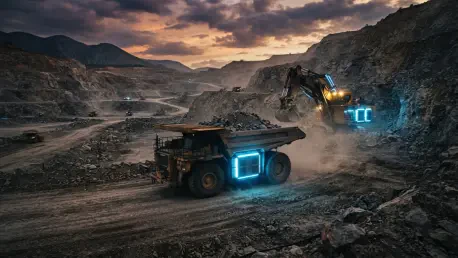
Beyond just surviving the cold, sodium-ion batteries exhibit a high degree of safety during fast-charging and high-power discharge cycles. Industrial deployments in the mining sectors of Hebei Province have demonstrated that these systems can handle the rigorous demands of heavy machinery without the same risk of thermal runaway associated with some high-density lithium chemistries. For example, large-scale mining trucks equipped with 676 kWh systems are already operating in active mines, proving that the technology is robust enough for the most demanding physical environments. This reliability is coupled with a more stable chemical profile, which allows for deeper discharge cycles without significantly compromising the lifespan of the battery. As these industrial trials continue, the evidence suggests that sodium-ion is not merely a budget alternative but a specialized solution that offers specific engineering advantages that lithium simply cannot match in heavy-duty or extreme-weather scenarios.
Strategic Evolution: Technical Barriers and Outlook
Despite the clear benefits in specific niches, the broader adoption of sodium-ion technology is currently hindered by its lower gravimetric energy density. Most commercial sodium-ion cells offer around 145 Wh/kg, which is significantly lower than the energy density found in the latest high-nickel lithium batteries. This disparity means that for a passenger car to achieve a competitive driving range, the battery pack would need to be substantially heavier and larger, potentially affecting vehicle handling and payload capacity. While this is less of a concern for heavy sanitation trucks or stationary energy storage units, it remains a critical bottleneck for the high-performance passenger vehicle market. Engineers are currently working on optimizing cathode materials and electrolyte formulations to push these density limits higher, but for the immediate future, sodium-ion is likely to remain a secondary choice for compact cars where space is at a premium and every kilogram of weight matters for efficiency.
The transition toward a more diversified battery landscape was driven by a sophisticated mix of industrial policy and technical necessity. The government successfully utilized a phased tax framework to incentivize the move away from lithium, while players like Hina Battery proved that sodium-ion could perform under the most grueling conditions. By focusing on heavy-duty and commercial sectors first, the industry established a solid operational foundation that bypassed the energy density limitations of smaller vehicles. This strategic pivot effectively insulated the domestic supply chain from global market volatility and created a more resilient energy infrastructure. Looking forward, the next logical step involved the global export of these specialized systems to other regions facing similar climatic challenges. The integration of sodium-ion technology was not merely a replacement for lithium, but a comprehensive expansion of what was possible in the realm of sustainable transport and industrial power.