
The persistent tension between vast natural wealth and institutional maturity remains the defining challenge for resource-rich nations seeking to escape the volatility of global commodity markets. Angola stands as a primary example where the energy sector is no longer viewed as a series of isolated technical operations but as a direct reflection of political leadership and long-term national development strategies. Recent shifts in the regulatory landscape indicate that the country is moving beyond a survivalist mindset toward a sophisticated framework intended to attract international investment while ensuring domestic stability. This evolution suggests that the success of a modern energy-producing state is determined less by the volume of reserves in the ground and more by the strength of the laws and agencies governing their extraction. By examining the current interplay between policy and production, it is possible to see how governance acts as the ultimate catalyst for progress in an increasingly complex and evolving global market.
Historical Context and the Myth of the Resource Curse
The modern identity of the Angolan energy industry is inextricably linked to a complex history characterized by colonial extraction and a long period of internal restructuring following years of civil conflict. These foundational experiences dictated how institutions were built, often centralizing power to ensure stability during volatile times. However, this legacy also created a rigid system that struggled to adapt to the rapid technological and economic changes of the 21st century. Today, the focus has shifted toward dismantling these older, opaque structures in favor of more agile and transparent organizations. Understanding these origins is not just an academic exercise; it is a prerequisite for identifying where the current bottlenecks exist. The transition from a state-controlled monopoly to a more competitive environment requires a deep appreciation of the socio-political forces that shaped the nation’s past, as these forces continue to influence how modern policies are received.
While many economic theories suggest that an abundance of natural resources leads to inevitable decline—a phenomenon often called the resource curse—the reality is far more dependent on the quality of human agency. Weak institutions and a lack of accountability are what turn wealth into a burden, whereas strong leadership can harness that same wealth to build a diversified and resilient economy. Angola is currently testing the limits of this theory by implementing reforms designed to decouple political influence from technical management. By prioritizing the integrity of its regulatory bodies, the state aims to prove that resource wealth can be a blessing if managed with a vision that extends beyond the next fiscal year. This shift involves a cultural change within the government itself, moving away from short-term gains toward a model of sustainable growth that prioritizes the welfare of the broader population over the interests of a select few within the political elite.
Structural Realignment and the Role of Natural Gas
A pivotal moment in the nation’s recent economic history was the strategic decision to restructure Sonangol, the state-owned oil giant, and establish the National Agency for Petroleum, Gas, and Biofuels. This move effectively separated the role of the state as a regulator from its commercial interests, a change that was necessary to restore investor confidence in a market that had become increasingly complex. By creating a dedicated regulatory body, the government has streamlined the process for securing exploration licenses and managing production sharing agreements. This clarity is essential for attracting major international oil companies that require predictable legal environments before committing billions of dollars in capital. The separation of powers has also allowed for a more objective assessment of the country’s offshore and onshore potential, ensuring that technical decisions are based on data rather than political expediency or the immediate needs of the national treasury.
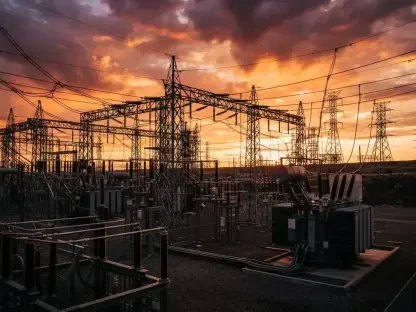
Simultaneously, natural gas has moved from being a secondary byproduct of oil production to a central pillar of the national energy strategy. In the context of global efforts to reduce carbon emissions, gas is being leveraged as a critical transition fuel that can support industrialization and provide a reliable power source for the growing domestic population. This strategic pivot focuses on utilizing existing resources to fuel internal growth, reducing the reliance on imports and creating a more balanced domestic economy. Large-scale projects, such as those focused on liquefied natural gas and gas-to-power initiatives, are designed to create jobs and stimulate local industries that were previously neglected. This approach demonstrates a sophisticated understanding of how energy wealth can be repurposed to build infrastructure that benefits all citizens. By prioritizing the domestic gas market, the state is not only addressing its immediate energy needs but also laying the groundwork for a more diversified base.
Institutional Integrity and the Blueprint for Future Growth
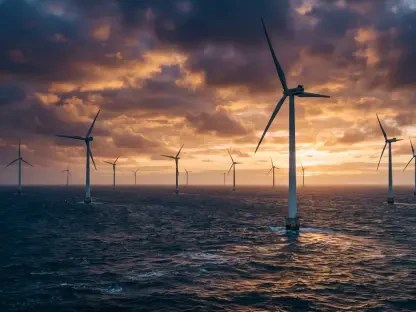
There is a growing sense of realism regarding the potential for institutional reform to drive inclusive growth across all sectors of the economy. This outlook is grounded in the belief that the mistakes of previous decades provide a clear roadmap of what to avoid in the future. Moving forward, the state must prioritize the further diversification of the national power grid by integrating renewable energy sources alongside natural gas. While petroleum remains the dominant economic driver, the transition toward a more balanced energy mix will require the implementation of fiscal incentives for solar and wind projects. Furthermore, the government should focus on the continued training of local technicians to ensure that the technical management of the industry is increasingly handled by a domestic workforce. By fostering a climate of innovation and digital transparency, the nation can ensure that its institutional framework remains resilient in the face of shifting global energy demands.
The energy transformation within the country followed a deliberate path where governance was utilized as the primary engine for structural change. Leaders recognized that technical improvements alone were insufficient to modernize the sector, so they prioritized the creation of independent regulatory bodies and transparent legal frameworks. This approach successfully restored investor confidence and allowed for the strategic repositioning of natural gas as a cornerstone of national development. By moving away from the centralized models of the past, the administration established a more resilient economic foundation that balanced international export demands with the pressing needs of the domestic population. The lessons learned during this period demonstrated that institutional integrity is the most effective safeguard against the inherent risks of a commodity-based economy. Maintaining a commitment to accountability remained the only way to turn temporary wealth into a permanent legacy of national prosperity.