
The 2026 Flashpoint: How Regional Hostilities Redefined Global Energy Security
The rapid escalation of hostilities in the Persian Gulf has fundamentally shattered the long-standing illusion that the global energy supply is somehow immune to the erratic shifts of regional power dynamics. In early 2026, the geopolitical landscape was reorganized when tensions between the United States and Iran transitioned into a full-scale kinetic conflict. This confrontation represents far more than a regional power struggle; it has triggered a transformative supply shock that threatens the foundational stability of international commerce. As the crisis deepens, it becomes clear that the traditional rules of energy diplomacy have been discarded in favor of a high-stakes military and economic gamble.
Analysts observe that the global economy is now struggling to function under the weight of oil prices that have surged toward 120 dollars per barrel. This is not merely a temporary spike driven by speculation but a structural realignment caused by the physical disruption of major production hubs. The vulnerability of maritime chokepoints has moved from a theoretical risk to an active daily reality, forcing every major importer to rethink their reliance on the Middle East. Consequently, the international community is facing a defining moment where the security of energy assets is directly tied to the outcome of a borderless war.
Navigating the Most Violent Supply Shock in Petroleum History
The Fall of a Leader and the Rise of the ‘Hormuz Premium’
The catalyst for the current market chaos was the series of strikes on February 28 that resulted in the death of Ayatollah Ali Khamenei, an event that instantly injected a 55 percent premium into global crude prices. With Mojtaba Khamenei assuming control alongside the Revolutionary Guard, the strategic focus has pivoted toward weaponizing the Strait of Hormuz, which remains the world’s most sensitive energy artery. Current market data suggests that while the doomsday scenario of a total, permanent closure has not yet fully materialized, the mere threat of interference has created a persistent fear tax that complicates every transaction.
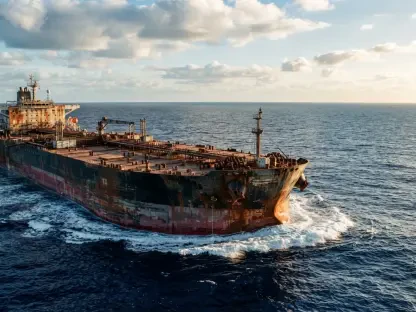
Expert analysis indicates that even minor skirmishes in these waters now exert more influence over Brent crude than traditional supply and demand metrics, leaving traders in a perpetual state of hair-trigger volatility. The market is no longer looking at inventory reports; it is looking at satellite imagery of naval deployments. As the Revolutionary Guard increases its presence, the cost of securing transit through the region has made many shipments economically unviable, further tightening the global supply.
From Military Targets to Industrial Sabotage: The War on Infrastructure
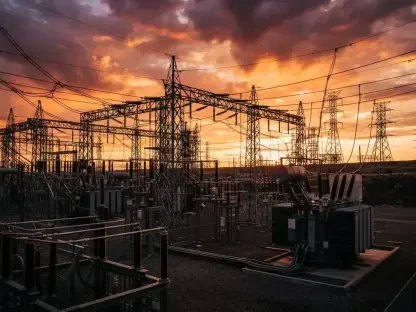
As the conflict progressed, the theater of war expanded from purely military installations to the systematic degradation of energy assets, notably the strikes against the South Pars gas field. This shift toward infrastructure warfare has proven that no exporter in the region is truly neutral, as retaliatory hits on the Ras Laffan complex in Qatar illustrated the reach of the violence. The proximity of infrastructure in the UAE and Kuwait to the active fighting has forced widespread production halts, as the risk of catastrophic industrial accidents becomes too high to ignore.
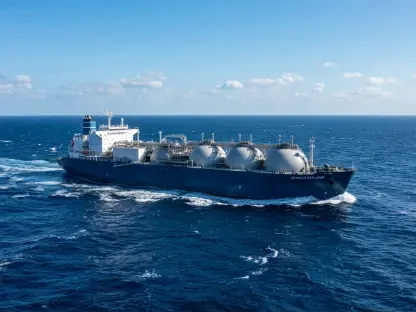
The destruction of these high-value industrial hubs creates a lag in recovery that cannot be resolved by a simple ceasefire. Physical damage to liquefied natural gas terminals and specialized processing plants suggests that global heating and power costs will remain elevated for years. Unlike a simple pipeline leak, the precision strikes on these complexes require specialized parts and labor that are currently impossible to source in a war zone, ensuring that even if the fighting stops tomorrow, the energy shortage will persist for the foreseeable future.
The Brinkmanship of Diplomacy and the Volatility of Price Floors
Market sentiment has been held hostage by the erratic nature of the current diplomatic rhetoric, which frequently oscillates between calls for total destruction and back-channel negotiations in Pakistan. This duality prevents the market from pricing in a definitive outcome, leading to brief, deceptive price dips followed by aggressive surges. Even in the event of a successful diplomatic breakthrough, energy analysts argue that the anchor price for oil has structurally shifted. The industry is preparing for a new reality where 80 to 90 dollars per barrel is considered the new baseline for stability.
The breakdown of trust between Western powers and regional exporters has depleted global storage levels during the naval blockades, making the system incredibly fragile. Recent reports suggest that strategic reserves in many importing nations are at their lowest levels in decades, leaving no buffer against further escalations. This lack of a safety net means that any minor diplomatic failure or misunderstood military maneuver can send prices spiraling upward again, as there is no longer a surplus to absorb the shock.
Beyond the Gulf: The Domino Effect on Global Consumption and Supply Chains
The ripples of the conflict have extended far beyond the Middle East, challenging common assumptions about the resilience of global supply chains. With major exporters forced to halt operations due to safety concerns and a lack of viable shipping insurance, the world is facing a genuine threat of demand destruction. Emerging trends indicate that the current crisis is accelerating a permanent pivot in energy logistics, as nations scramble to find alternatives to the Gulf transit routes. This shift is not just about oil; it affects every sector that relies on affordable energy for manufacturing and transport.
The crisis has exposed the fragility of just-in-time energy delivery, forcing a massive reallocation of capital toward domestic energy security and alternative maritime corridors. Markets are seeing a surge in investment toward routes that bypass the volatile heart of the Middle East, though these alternatives often come with higher costs and longer transit times. This reallocation of resources is reshaping the global trade map, as the cost of doing business is rewritten to include the permanent risk of regional instability.
Strategic Imperatives for a Resilient Energy Future Amidst Chronic Instability
The primary takeaway from the current crisis is that global energy security can no longer be decoupled from the internal politics of the Persian Gulf. To navigate this era of volatility, industry leaders and policymakers have prioritized the diversification of transit routes and the hardening of energy infrastructure against unconventional threats. Strategies must include expanding strategic petroleum reserves to weather longer-term blockades and investing in localized energy production to mitigate the impact of distant geopolitical shocks. This shift requires a departure from the efficiency-first models that left the world vulnerable to a single chokepoint.
For market participants, the recommendation is clear: treat the current price floors as permanent and build operational resilience that assumes a baseline of regional instability. Companies are beginning to invest in redundant systems and diverse supply sources even at the cost of higher immediate expenditures. The focus has moved toward long-term survival rather than short-term profit margins, as the realization sets in that the old status quo of cheap and reliable energy is likely gone. This strategic pivot is the only way to ensure that the global economy can withstand the next inevitable flare-up in the region.
Deciphering the Long-Term Consequences of a Borderless Energy War
The conflict demonstrated that the global energy market was far more vulnerable to geopolitical black swan events than previously estimated. While the world technically survived the initial supply shock, the cost of that survival was a fundamental realignment of the global economy and a permanent increase in the price of energy. The negotiations in Islamabad provided a temporary reprieve, but the structural damage to regional security and trust suggested that the era of cheap, reliable Gulf oil was effectively over. Leaders recognized that energy security required a departure from the chokepoint-dependent models of the past to prevent future economic burdens.
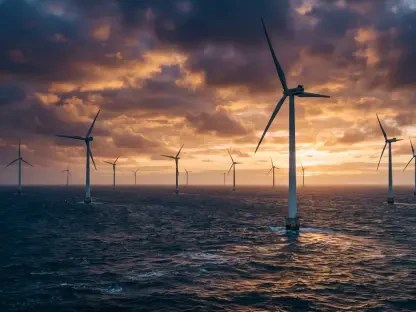
The strategic takeaway was that the small price to pay for political objectives often escalated into a global economic burden. Policymakers turned their attention toward localized power generation and accelerated the development of non-traditional energy sources to bypass the volatility of the Strait of Hormuz. International cooperation focused on creating maritime safety corridors that did not rely on the cooperation of a single regional power. By diversifying the sources of energy and the paths through which it traveled, the global community worked to ensure that a single conflict could never again hold the world’s economy hostage.