
The sheer scale of India’s energy consumption necessitates a constant and unfailing flow of resources, yet the current geopolitical landscape has pushed the world’s third-largest economy into a corner where traditional supply chains are snapping under the weight of regional conflicts. As the global energy map is redrawn, New Delhi finds itself grappling with a massive vacuum in its portfolio, caused by a tightening of Western sanctions on long-standing partners and the volatility of the Middle East. Washington has recognized this moment as a unique strategic window to anchor American crude oil, liquefied natural gas, and liquefied petroleum gas at the center of the Indian economy. However, replacing centuries of established energy patterns with Western alternatives is not merely a matter of signing contracts. It involves navigating a labyrinth of technical limitations, logistical hurdles, and deep-seated economic realities that make a total shift toward American energy a complicated prospect for a nation that cannot afford a single misstep in its development trajectory.
Geopolitical Pressures and the Push for Diversification
The current energy pivot is being accelerated by a convergence of geopolitical pressures that have effectively turned the Strait of Hormuz into a bottleneck of extreme risk for Indian interests. This narrow waterway is the primary artery for approximately half of the nation’s crude imports and an even more staggering sixty percent of its liquefied natural gas. The vulnerability of this route, combined with the expiration of general licenses for oil transit from sanctioned regions, has forced New Delhi to look elsewhere for security. United States Treasury officials have been proactive in framing India as an essential partner, yet this diplomatic outreach is underpinned by a firm expectation of increased procurement. The removal of cost-effective alternatives from the market has left the Indian government with few choices but to lean into the American offer, seeking a stable supply that is not subject to the same sudden disruptions that have characterized the current period.
This shift is not merely a reactive measure to regional instability but is also a core component of a broader five hundred billion dollar trade intent deal that signals a long-term realignment of economic priorities. Within this framework, India has expressed a willingness to diversify its imports toward American energy technology and coal, moving away from the heavy reliance on Eurasian sources that defined the previous decade. The strategic partnership is being tested by the speed at which these transitions are required, as the American side pushes for rapid integration into the Indian grid. While the promise of a reliable, sanction-free partner is enticing, it places India in a position where it must balance its sovereign energy needs against the diplomatic demands of a primary security ally. This pressure is manifesting in high-level negotiations where the volume of energy purchases has become a primary metric for the health of the bilateral relationship between the two democratic powers.
Social Impact of Domestic Fuel Scarcity
The domestic fallout of these global disruptions has reached a critical point, specifically concerning the availability of liquefied petroleum gas which serves as the primary cooking fuel for hundreds of millions. In an effort to prevent widespread social unrest, the government has implemented a strict prioritization policy that favors residential supply over the needs of the commercial sector. This necessary but harsh decision has sent shockwaves through the service industry, leading to reports that nearly ten percent of restaurants and small eateries nationwide have been forced to close permanently due to the prohibitive cost or total absence of affordable fuel. The daily deficit of thirty thousand metric tons of gas has created a frantic scramble for assured import cargoes, turning what was once a routine procurement task into a matter of national survival. The struggle to maintain the flow of cooking fuel highlights the direct link between global energy security and the stability of the Indian household.
Restoring the domestic energy balance is expected to be a multi-year endeavor, with current projections suggesting that it may take three to four years to return to pre-crisis supply levels. Even as the Ministry of Petroleum and Natural Gas secures new shipments from the United States, Canada, and Norway, the timeline for logistical integration remains a significant hurdle. This prolonged recovery period leaves the broader economy susceptible to further shocks, as the lack of a cushion in energy reserves prevents the government from absorbing price spikes. The urgency of the situation has placed the Indian government in a vulnerable negotiating position, where the need for immediate fuel may result in accepting terms that are less than ideal for long-term fiscal health. For a developing nation, this period of scarcity is not just an economic challenge but a structural threat that could hinder the growth targets set for the latter half of the current decade, requiring a masterclass in strategic resource management.
Technical Constraints and Logistical Realities
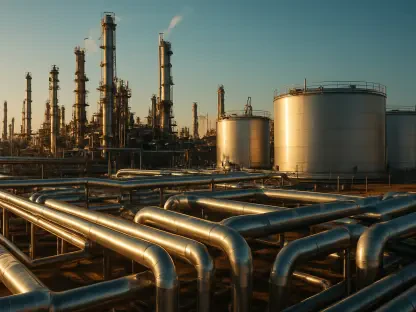
A primary obstacle to the seamless integration of American energy is the fundamental technical mismatch between the crude produced in the United States and the infrastructure of Indian refineries. Historically, these facilities were engineered to process the heavy and sour crude varieties typical of the Middle East and Russia, which allow for the maximum extraction of diesel. In contrast, the light and sweet crude exported from the United States is more naturally suited for gasoline production, a discrepancy that limits how much American oil can be effectively utilized without significant modifications. Bridging this technical gap would require immense capital expenditure and years of physical upgrades to existing refineries, a cost that adds a layer of complexity to the procurement strategy. Without these changes, Indian refineries risk operating at lower efficiency levels, which could drive up the cost of fuel for the end consumer and negate the benefits of diversifying away from traditional suppliers.
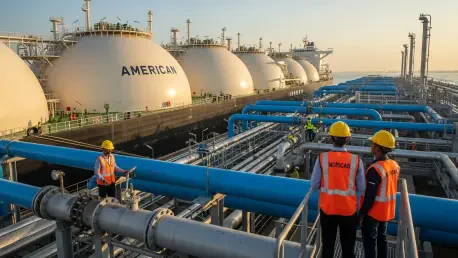
Beyond the refinery walls, the logistics of transporting energy from the Gulf Coast to the Indian subcontinent present a persistent challenge to the economic viability of the partnership. The immense geographical distance results in significantly higher freight costs and longer transit times when compared to the established routes from the Persian Gulf. India remains an acutely price-sensitive market where even a marginal increase in the cost per barrel can have a cascading effect on the current account deficit and the value of the national currency. For American energy to become a truly competitive alternative, the economics of sourcing must be reconciled with India’s fiscal constraints, which often prioritize the lowest landed cost above all else. Unless Washington or private energy exporters can offer significant discounts or long-term price stability, the reliance on Western imports may be seen as a luxury that the Indian economy cannot fully afford during this period of high global inflation and economic uncertainty.
Strategic Pathways and Future Energy Stability
The current supply crunch has forced the implementation of a rigid hierarchy for fuel distribution, effectively rationing energy to ensure the survival of the most critical sectors. Fertilizer production, residential gas, and the transport network are currently receiving the highest priority, leaving power generation and the petrochemical industry to face significant curtailments. This rationing is a stark reminder of the fragility of the current system and underscores the fact that the United States cannot yet act as a total substitute for traditional sources in the short term. There is also a strategic concern that the current crisis is being used to lock India into long-term contracts for excess American propane and butane stockpiles. While these shipments provide an immediate vent for the pressure on the domestic gas market, analysts warn that committing to these deals during a time of extreme stress could leave New Delhi paying inflated prices long after the current regional conflicts have been resolved.
The resolution of India’s energy crisis required a nuanced approach that moved beyond the simple replacement of one supplier for another. It was clear that the partnership with the United States needed to evolve from opportunistic diplomacy into a structured collaboration involving technology transfers and infrastructure investment. To ensure long-term stability, policymakers focused on incentivizing the retrofitting of refineries to handle lighter crude grades while also diversifying the maritime routes to reduce freight overhead. The government prioritized the expansion of domestic storage capacity to create a buffer against future shocks in the Strait of Hormuz. Moving forward, the emphasis shifted toward securing energy-plus-technology deals that provided both the fuel and the means to process it efficiently. By balancing the immediate need for American gas with the long-term goal of energy independence, the nation navigated a period of intense volatility and laid the foundation for a more resilient and versatile energy architecture.