
The global energy landscape is currently defined by a jarring economic dissonance where record-breaking windfall profits from oil trading are shadowed by a massive accumulation of corporate debt. As the maritime standoff between the United States and Iran intensifies, BP has reported “exceptional” performance within its trading division. However, this success comes with a cautionary note for investors, as the same volatility fueling these gains is simultaneously driving a multibillion-dollar spike in net liabilities.
This financial paradox highlights the precarious nature of the modern energy sector. While Brent crude jumped from a $63.73 average to over $81.13 in a single quarter, the cost of navigating such a turbulent market has become increasingly expensive. BP now finds itself in a high-stakes balancing act, attempting to convert short-term geopolitical gains into long-term balance sheet stability.
The Paradox: Profiting from Global Instability
The current market environment presents a stark contradiction between operational success and fiscal health. BP’s trading desk has masterfully capitalized on wild price swings, yet the company warns that net debt is projected to climb to between $25 billion and $27 billion. This is a significant leap from the $22.2 billion reported in the previous quarter, signaling that the “war dividend” is far from a free lunch.
The underlying cause of this debt surge is not mismanagement but rather a sharp increase in working capital requirements. In a world of $80-plus oil, the liquidity needed to maintain global operations and manage complex hedging positions grows exponentially. This trend mirrors recent reports from Shell, suggesting that the entire industry is grappling with the hidden costs of managing record price fluctuations.
Geopolitical Drivers: The Strait of Hormuz and the $100 Barrel
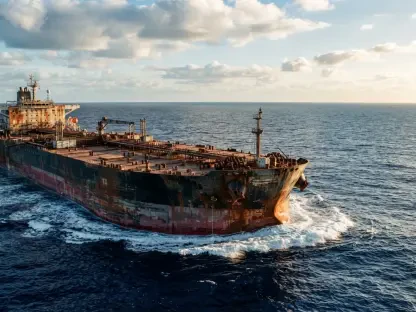
At the heart of this market upheaval is the U.S. blockade of the Strait of Hormuz, a strategic move intended to pressure Tehran that has instead throttled global supply chains. This maritime choke point is essential for the flow of crude, and its constriction has pushed futures toward the psychological $100 mark. The resulting scarcity creates the exact conditions—high prices and high volatility—where BP’s sophisticated trading algorithms thrive.
While the Trump administration and Vice President JD Vance engage in diplomatic efforts in Islamabad, the lack of a definitive breakthrough keeps a heavy geopolitical risk premium baked into every barrel. Market anxiety remains high because the potential for a sudden supply vacuum persists. Until a clear resolution is reached, the global energy market will likely remain in this state of hyper-sensitivity, favoring traders but punishing those with limited liquidity.
Analyzing the Financial Disconnect: Trading Gains vs. Rising Debt
The disconnect between surging revenue and rising debt levels underscores the complexity of modern energy finance. Higher oil prices require companies to tie up more cash in inventory and receivables, which naturally inflates net debt figures. For BP, this means that even as its oil trading division hits record marks, the corporate treasury must secure more capital to keep the gears of the business turning.
Moreover, the cost of hedging against future price drops becomes more expensive as volatility increases. This fiscal pressure forces energy giants to prioritize liquidity over aggressive debt reduction or massive share buybacks. The result is a peculiar situation where a company can appear more profitable than ever while its balance sheet looks increasingly strained by the demands of the current environment.
Market Sentiment: Impact of the Diplomatic Stalemate
Investors are keeping a watchful eye on the Islamabad peace talks, recognizing that any outcome will immediately dictate the trajectory of oil prices. Expert analysis suggests that as long as the U.S. maintains its current foreign policy stance, supply constraints will keep trading profits elevated. However, this persistence acts as a double-edged sword, providing immediate cash flow but complicating long-term deleveraging strategies.
The market remains on edge, fearing that a sudden de-escalation could lead to a sharp correction, leaving companies holding expensive inventory. This uncertainty reinforces the need for a conservative fiscal approach despite the headline-grabbing profits. The persistence of high prices provides a temporary cushion, but it also increases the risk of a sudden market shift that could catch over-leveraged firms off guard.
Strategic Maneuvers: Energy Giants in Volatile Climates
To navigate these dual pressures, energy firms are implementing more flexible working capital structures designed to absorb sudden price shocks. By leveraging advanced trading technology, BP and its peers can exploit intraday volatility caused by breaking news headlines while simultaneously insulating their core operations from the worst of the debt cycle. This strategy requires a delicate synchronization of market speculation and fiscal discipline.
Moving forward, the industry prioritized the development of more resilient supply chains that relied less on single maritime corridors. Companies sought to diversify their asset portfolios to mitigate the impact of regional conflicts. This shift toward operational flexibility became the standard for firms looking to maintain growth without being buried under the weight of working capital debt. These strategic adjustments served as a vital blueprint for surviving an era where geopolitics and energy markets were inextricably linked.