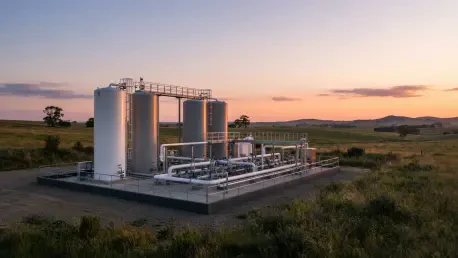
The success of the biomethane transition depends on aligning agricultural subsidies with renewable energy goals to ensure long-term market certainty. As of early 2026, European nations are accelerating their efforts to redefine the relationship between the energy sector and the agricultural
Senators Chuck Grassley and Amy Klobuchar introduced the Small Agri-Biodiesel Producer Credit Extension Act to prevent a fiscal cliff for small farmers. This legislative effort underscores a broader shift in the strategy employed by the Clean Fuels Alliance America (CFAA), which has significantly

The shift in ownership mirrors similar patterns seen in California, where biogas infrastructure has frequently moved between different investment and utility firms. This specific acquisition of two major bioenergy facilities by Divert highlights a maturing market where financial stability and
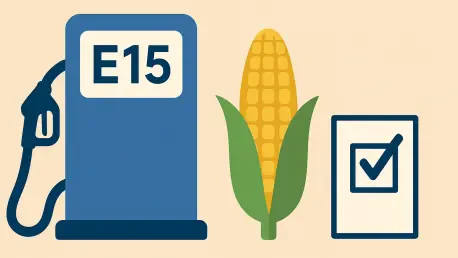
The failure to reach a compromise on the Supplemental Nutrition Assistance Program continues to stall the 2026 Farm Bill, leaving long-term agricultural subsidies in limbo. This legislative gridlock has forced the executive branch to bypass traditional congressional pathways, utilizing direct

The sight of petrol prices surging past the two dollar and forty cent mark at local service stations across the country has transformed a theoretical energy debate into a critical household economic crisis for millions of Australian families and businesses. This volatility is deeply connected to
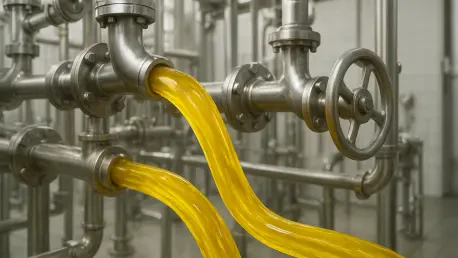
When the smoke cleared over the Somerset industrial complex last July, many industry observers expected the Continental Refining Company to enter a period of prolonged stagnation rather than aggressive expansion. The fire could have been a terminal blow, yet CRC chose to accelerate its goals. This
1 2 3 4 5 6 7 8 9 10 11 12 13 14 15 16 17 18 19 20 21 22 23 24 25 26 27 28 29 30 31 32 33 34 35 36 37 38 39 40 41 42 43 44 45 46 47 48 49 50 51 52 53 54 55 56 57 58 59 60 61