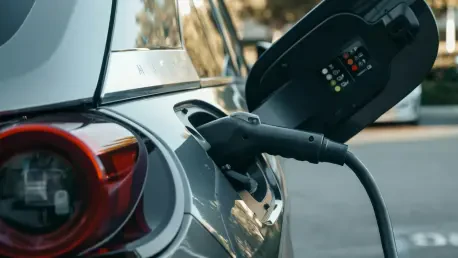
In an era where technology and sustainability must converge to address pressing global challenges, a Nevada-based company is leading the charge by transforming used electric vehicle batteries into a powerful solution for the energy-hungry world of artificial intelligence. Redwood Materials,

The utility sector in the United States stands at a pivotal moment, grappling with an unprecedented surge in electricity demand, aging infrastructure that struggles to keep pace, and stringent regulatory frameworks that limit financial maneuverability. A notable 3% increase in electricity

In a bold move that could reshape the U.S. energy landscape, the Department of Energy (DOE) has introduced a proposal to significantly expand the Federal Energy Regulatory Commission’s (FERC) authority over the interconnection of large electrical loads—specifically those surpassing 20 megawatts

The electric vehicle (EV) revolution promised a new frontier for convenience stores, with visions of bustling charging hubs drawing in tech-savvy drivers eager to refuel both their cars and themselves with quick snacks and drinks. Yet, the initial excitement has given way to a sobering reality, as

A Critical Juncture for Energy Markets Central Europe’s oil industry stands at a pivotal moment as U.S. sanctions on Russian oil giants Lukoil and Rosneft, implemented late last year, send shockwaves through regional markets. With Hungary and Slovakia heavily reliant on Russian crude, these

In a world increasingly driven by innovation, Tesla, Inc. (NASDATSLA) continues to push boundaries with its latest financial and strategic revelations from the Q3 earnings call and update letter released on October 22. As a leader in electric vehicles (EVs) and clean energy, Tesla’s updates provide