
Christopher Hailstone is a seasoned veteran in the utility and energy management sectors, bringing decades of experience in grid reliability and the complex logistics of electricity delivery. As the world pivots toward sustainable fuels, Christopher’s insights into infrastructure and security have made him a vital voice in the global transition to clean energy. In this discussion, we explore the landmark decision by the Saudi Arabian government to grant exclusive export rights for green hydrogen and renewable electricity to ACWA Power. This strategic move, central to the Kingdom’s Vision 2030, signals a major shift in how traditional energy powers are repositioning themselves to lead the low-carbon markets of the future.
Saudi Arabia has recently authorized the exclusive export of green hydrogen, ammonia, and methanol; how does this decision redefine the Kingdom’s historical role as a global energy leader?
This authorization represents a profound evolution in Saudi Arabia’s economic identity, moving it from a focus on crude oil to becoming a primary supplier of the world’s cleanest fuels. By granting these exclusive rights, the government is signaling to the global market that it is ready to meet the soaring demand for low-carbon energy alternatives like green ammonia and methanol. The atmosphere within the energy sector is charged with a sense of urgency and ambition as the Kingdom seeks to diversify its economy and reduce its long-term carbon footprint. This isn’t just about adding new products to a portfolio; it is about fundamentally redesigning the nation’s energy strategy to ensure it remains the backbone of global energy security for the next century.
With ACWA Power managing such a vast portfolio, what specific infrastructure advantages do they bring to the table when executing these large-scale green energy mandates?
The scale at which this company operates is truly breathtaking, as they currently oversee 111 massive infrastructure assets scattered across 16 different countries. Their financial and operational reach is underpinned by a staggering SAR 468.9 billion, which translates to roughly 125 billion dollars in assets under management. This level of capital and experience is essential for managing the heavy lifting required for projects like the NEOM Green Hydrogen facility, which is set to be one of the largest on the planet. You can sense the immense technical pride in their ability to build out the production and transmission networks that will eventually link Saudi renewable resources to the rest of the world.
The government has also tasked the company with transmitting renewable electricity to European and Arab markets; what are the strategic benefits of creating this type of regional energy interconnectivity?
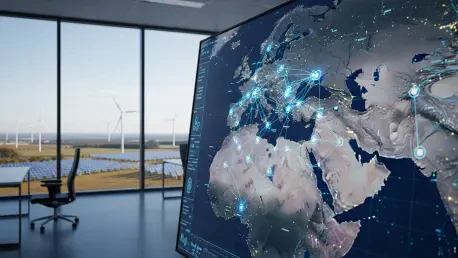
Developing the infrastructure to export renewable electricity directly to European and Arab markets is a masterstroke for regional energy security and economic integration. By creating these physical and digital links, Saudi Arabia can provide competitively priced clean power to regions that are struggling to meet their own climate targets. This mandate involves a high degree of coordination with international stakeholders and government agencies to build the necessary transmission lines across complex terrains. It creates a tangible sense of partnership between nations, where the sun-drenched plains of the Kingdom provide the literal current that drives industrial development and domestic life far beyond its borders.
What is your forecast for Saudi Arabia’s role in the global hydrogen and renewable energy market over the next decade?
I predict that Saudi Arabia will successfully establish itself as the indispensable hub of the global green fuel supply chain, effectively becoming the “central bank” of green hydrogen. The sheer volume of their planned exports will likely provide the necessary liquidity to stabilize global prices and make green fuels a viable option for heavy industries that were previously hard to abate. We will see a massive acceleration in industrial development within the Kingdom as they leverage their 111-asset portfolio to refine and perfect the logistics of clean energy transport. Ultimately, their role will shift from being a regional powerhouse to becoming the primary architect of a sustainable, interconnected global energy grid.