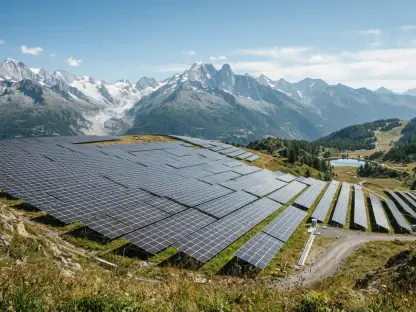

In a strategic maneuver that sidesteps the conventional, time-intensive path of organic growth, DESCO Infratech has decisively entered the burgeoning clean energy space through its acquisition of Shri Green Agro Energies Private Limited (SGAEPL). This calculated purchase of a nearly operational
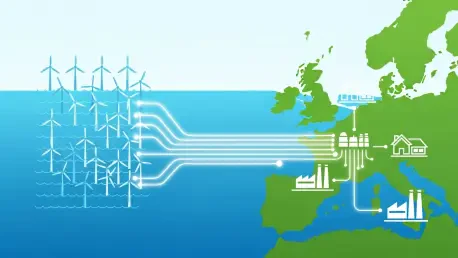
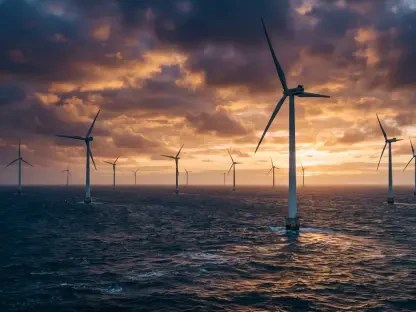
The United Kingdom's recent approval of the Berwick Bank offshore wind farm marks a watershed moment where the nation’s ambitious pursuit of clean energy directly confronts profound ecological conservation concerns. The decision to move forward with one of the world's largest offshore wind projects

For heavy industries reliant on fossil fuels, the traditional calculus of operational cost has been upended by a new, unavoidable variable: the price of inaction. The long-held belief that sustainability is a costly luxury is rapidly dissolving as market forces and regulatory pressures converge,
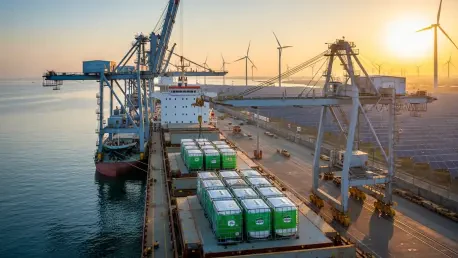
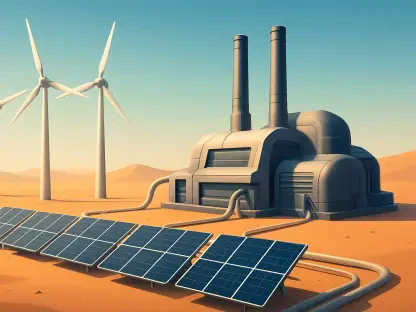
The global transition toward sustainable energy presents a monumental opportunity for nations willing to invest boldly, and India is now poised at a critical juncture to define its role in the emerging green hydrogen economy. With a comprehensive roadmap, the Confederation of Indian Industry (CII)
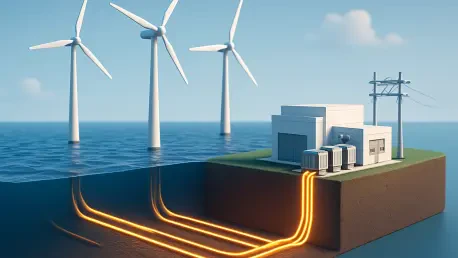
The United Kingdom's latest foray into harnessing the power of the North Sea has culminated in a momentous yet controversial outcome, securing an unprecedented amount of clean energy while simultaneously igniting a fierce debate over the rising cost of its green transition. This landmark auction
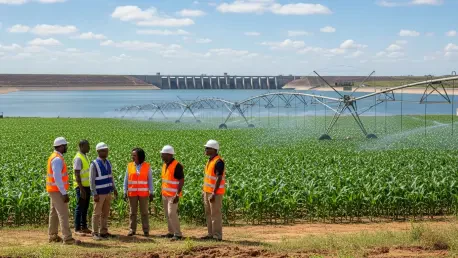
In a decisive move to confront Nigeria's pressing food security challenges, the government has intensified its focus on harnessing the nation's vast water resources to revolutionize its agricultural landscape. This renewed emphasis was highlighted during a significant working visit by the Minister